
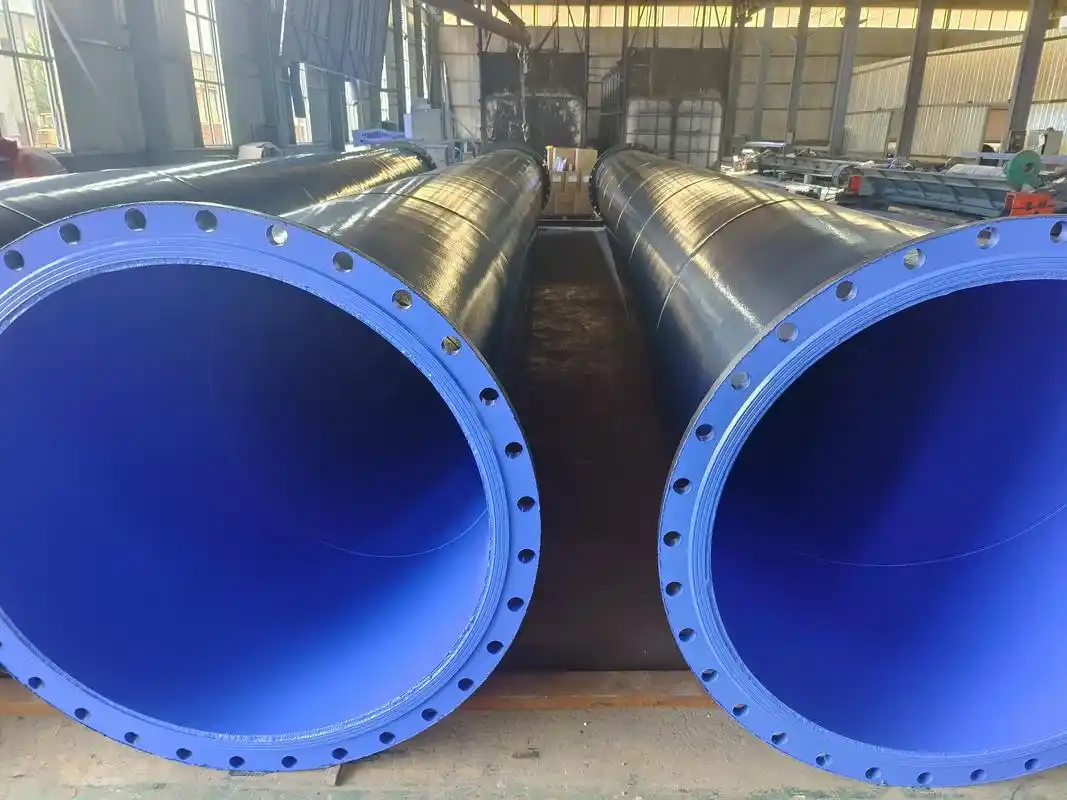
The Liner Decision: Thirty Years of Matching Plastic to Poison
You ever seen what sour gas does to carbon steel? I have. It’s not pretty. The steel doesn’t rust like it does in air. It cracks. From the inside out. Little lines that you can’t see until the day they reach the outside and everything stops real fast.
I started in this business in 1994, fresh out of metallurgy school, working for a pipe manufacturer in Ohio. My first week on the job, they took me to see a failure. Twelve-inch carbon steel line, transporting produced water from a shale well. Three years in service. The bottom of the pipe looked like a sponge. Holes everywhere. The operator had lost a quarter million dollars in downtime.
That’s when I learned: steel is strong, but steel is stupid. It doesn’t know how to protect itself. You have to protect it.
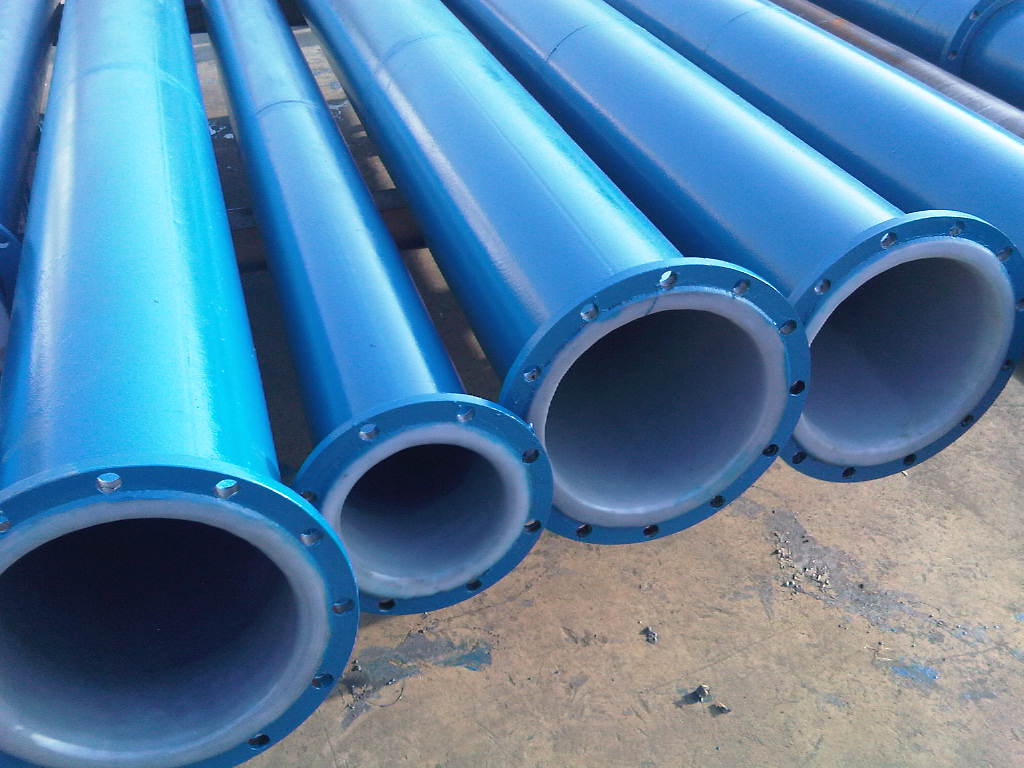
That’s what liners do. They’re the immune system for your pipe.
The Problem: What Are You Really Pumping?
Before you pick a liner, you need to answer one question. Not what’s in the spec sheet. What’s actually in the pipe?
I worked a job in the Middle East, 2008. The client said “sour gas, 2% H2S, dry.” We recommended PTFE. Installed thirty kilometers. Six months later, failures. Lots of them.
Turns out, it wasn’t dry. Water was condensing in the low spots. The H2S dissolved in that water. Made sulfuric acid. Not strong, but strong enough. And the PTFE? It was fine. But the backing ring wasn’t sealed properly. Acid got behind the liner. Corroded the steel from the outside of the inside, if that makes sense. The liner was perfect. The pipe was garbage.
That’s the thing about liners. They only work if everything else works too.
Table 1: Common Corrosive Media and Their Mechanisms
| Medium | Example | Damage Mechanism | What Actually Happens |
|---|---|---|---|
| Sour Gas | H2S, CO2 | Sulfide stress cracking | Hydrogen gets into steel, makes it brittle |
| Strong Acid | HCl, H2SO4 | General corrosion | Steel dissolves. Simple as that. |
| Strong Base | NaOH | Caustic embrittlement | Cracking at high temp, high concentration |
| Chlorides | Brine, seawater | Pitting, SCC | Little holes that grow into big cracks |
| Organics | Solvents, aromatics | Swelling | Some plastics turn to jelly |
The chemistry matters. The temperature matters. The pressure matters. The flow rate matters. Everything matters.
The Liner Family: Who’s Who in the Plastic World
Let me introduce you to the players. I’ve worked with all of them. Liked some. Hated others. Learned from all.
PTFE: The Old King
Polytetrafluoroethylene. Teflon to most people. The granddaddy of high-performance plastics.
What it’s good at: Almost everything. Chemically inert up to about 260°C. Nothing sticks to it. Friction coefficient so low you can hardly measure it.
What it’s bad at: Price. Cold flow. Permeation.
Formula 1: Permeation Rate (Fick’s First Law)
Where:
-
= Permeation flux
-
= Diffusion coefficient
-
= Concentration gradient
PTFE has relatively high D for small molecules. Hydrogen, water vapor, light gases. They go right through. Not fast, but fast enough.
I saw this on a chlorine line in Texas. PTFE-lined steel pipe, ten years old, working fine. Then they changed the process. Higher pressure. Suddenly, chlorine was permeating through the liner, attacking the steel behind it. The liner looked perfect. The pipe was failing from the outside in.
We fixed it by venting the annulus. Drilled little holes in the steel to let permeated gas escape. Worked fine after that.
Table 2: PTFE Performance by Medium
| Medium | Max Temp (°C) | Chemical Resistance | Permeation Risk | My Rating |
|---|---|---|---|---|
| H2S (dry) | 230 | Excellent | Low | ⭐⭐⭐⭐⭐ |
| H2S (wet) | 150 | Excellent | Medium | ⭐⭐⭐⭐ |
| HCl (any) | 150 | Excellent | Low | ⭐⭐⭐⭐⭐ |
| H2SO4 (conc) | 200 | Excellent | Low | ⭐⭐⭐⭐⭐ |
| H2SO4 (dilute) | 120 | Excellent | Medium | ⭐⭐⭐⭐ |
| NaOH (50%) | 100 | Excellent | Low | ⭐⭐⭐⭐⭐ |
| Chlorine (wet) | 80 | Good | High | ⭐⭐⭐ |
| Hydrocarbons | 200 | Excellent | Medium | ⭐⭐⭐⭐ |
PFA: The Upgrade
Perfluoroalkoxy. Think of it as PTFE’s younger, more flexible cousin. Same chemical resistance. Better mechanical properties.
What’s different: PFA can be melt-processed. That means better welds, smoother surfaces, less porosity. It also handles higher temperatures briefly, though continuous rating is similar.
The catch: It costs more. About 20-30% more than PTFE. Sometimes worth it, sometimes not.
I used PFA on a job in the North Sea. High-pressure gas, condensate, some H2S, some water. The client wanted the best. PFA liners, vented annulus, monitoring ports. Cost a fortune. But that line has been running fifteen years with zero issues. Sometimes you get what you pay for.
PP: The Workhorse
Polypropylene. Cheap. Cheerful. Does the job in a lot of places.
Temperature limit: 80-90°C. That’s it. Above that, it gets soft. Above 100°C, it’s useless.
Chemical resistance: Good for acids and bases at moderate temps. Not good for strong oxidizers. Not good for hydrocarbons—they make it swell.
Formula 2: Swelling Ratio
If S% > 10%, you have a problem. The liner expands, buckles, blocks your pipe.
I saw this on a produced water line in the Permian. PP liner, 80°C water, some oil carryover. After two years, the liner had swollen 15%. It looked like a snake that swallowed a goat. Bumps everywhere. Flow reduced by half. Had to replace the whole line with PE.
PE: The Cheap Date
Polyethylene. Even cheaper than PP. Used for water, wastewater, mild chemicals.
Temperature limit: 60°C for HDPE. 80°C for PEX (cross-linked). Above that, no.
Chemical resistance: Good for acids and bases at low temp. Not good for hydrocarbons at all. They’ll turn HDPE into a gel.
The advantage: Price. And toughness. PE is almost impossible to break. You can beat on it, drop it, drag it through a ditch, and it’ll still work.
I used PE for a tailings line in Canada. 40°C, mild acid, lots of solids. The PE liner lasted twelve years. Replaced it with the same thing. Sometimes cheap is smart.
Rubber: The Old School
Natural rubber, neoprene, butyl, EPDM, nitrile. Different rubbers for different jobs.
What rubber does well: Abrasion resistance. Flexibility. Sealing. Damping.
What rubber doesn’t do well: High temperature. Strong acids. Organics.
Table 3: Rubber Liner Selection
| Rubber Type | Max Temp | Acid Resistance | Abrasion | Hydrocarbon Resistance | Best Use |
|---|---|---|---|---|---|
| Natural | 70°C | Poor | Excellent | Poor | Slurry, water |
| Neoprene | 100°C | Good | Good | Fair | General purpose |
| Butyl | 120°C | Excellent | Poor | Poor | Strong acids |
| EPDM | 130°C | Good | Good | Poor | Water, mild chems |
| Nitrile | 100°C | Fair | Good | Excellent | Oil, fuel |
I specified butyl rubber for a phosphoric acid line in Florida. 80°C, 40% acid, some solids. The rubber lasted eight years. When we pulled it, the liner was still flexible. The steel behind it was perfect. That’s a win.
Epoxy Coatings: The Thin Option
Not really a liner. More of a thick paint. 0.5mm to 2mm thick, usually.
Where it works: Mild chemicals, low temperature, no abrasion. Think potable water, mild wastewater, atmospheric exposure.
Where it fails: High temperature, strong acids, flexing, abrasion, vacuum.
Formula 3: Coating Lifespan (My Rule of Thumb)
Where:
-
= Lifespan in years
-
= Coating thickness (mm)
-
= Constant (0.1 for epoxy)
-
= Chemical concentration factor
-
= Temperature factor
For a 1mm epoxy in 10% H2SO4 at 40°C:
years. Not great.
I saw an epoxy coating fail in six months in a hydrochloric acid service. The spec said it should last five years. Someone forgot to tell the acid.
The Selection Matrix: What Goes Where
After thirty years, here’s my cheat sheet. It’s not in any textbook. It’s just what works.
Table 4: Liner Selection by Service
| Service | Temp Range | Liner Option 1 | Liner Option 2 | Liner Option 3 | What I’d Pick |
|---|---|---|---|---|---|
| Sour Gas (dry) | -20 to 80°C | PTFE | PFA | PE | PTFE. Permeation risk low when dry. |
| Sour Gas (wet) | -20 to 80°C | PTFE (vented) | PFA (vented) | Rubber | PTFE vented. Monitor those vents. |
| HCl (any) | 0 to 100°C | PTFE | PFA | Butyl rubber | PTFE. Butyl if cost matters. |
| H2SO4 (>80%) | 0 to 100°C | PTFE | PFA | PP (if <60°C) | PTFE. Don’t mess with sulfuric. |
| H2SO4 (dilute) | 0 to 80°C | PTFE | PP | Rubber | PP. Cheap, works fine. |
| NaOH (50%) | 0 to 80°C | PP | PE | PTFE | PP. No need for expensive stuff. |
| Seawater | 0 to 40°C | PE | Epoxy | Rubber | PE. Cheap, lasts forever. |
| Produced Water | 0 to 80°C | PP | PE | PTFE | PP. Watch for oil carryover. |
| Chlorine (dry) | 0 to 100°C | PTFE | PFA | None | PTFE. Nothing else works. |
| Chlorine (wet) | 0 to 60°C | PTFE (vented) | None | None | PTFE vented. Wet chlorine is nasty. |
| Hydrocarbons | 0 to 100°C | PTFE | PFA | Nitrile rubber | PTFE. No swelling worries. |
| Slurry | 0 to 60°C | Rubber | PE | PTFE | Rubber. Abrasion resistance matters. |
Here’s the thing about this table: it’s a starting point, not an ending point. Every job is different. Every fluid is different. Every temperature cycle is different.
The Failure Modes: How Liners Die
I’ve seen liners fail in more ways than I can count. Here are the greatest hits.
Permeation
Gas goes through the liner, attacks the steel from behind. The liner looks perfect. The pipe is garbage.
How to fix it: Vent the annulus. Drill holes in the steel. Let the gas escape. Monitor for pressure in the vent system. If you see pressure, you have permeation. If you see liquid, you have a leak.
Formula 4: Annulus Venting Requirement
Where:
-
= Vent area needed
-
= Permeation rate
-
= Pipe length
-
= Allowable back pressure
-
= Gas velocity
I designed a vent system for a sour gas line in Alberta. 20 kilometers, 12-inch, PTFE-lined steel pipe. We calculated permeation rate, sized vents accordingly. Twenty years later, still working.
Collapse
Vacuum in the lined steel pipe. The liner sucks inward. Blocks flow.
Formula 5: Critical Collapse Pressure
Where:
-
= Collapse pressure
-
= Modulus of elasticity
-
= Poisson’s ratio
-
= Liner thickness
-
= Liner diameter
Thin liners collapse easy. Thick liners collapse harder.
I saw this on a acid injection line in Louisiana. The pumps shut down suddenly. Vacuum formed. The PP liner collapsed like a stepped-on soda can. Cost a fortune to replace.
How to fix it: Use thicker liners. Install vacuum breakers. Design the system so it can’t happen.
Thermal Expansion
Pipe gets hot. Steel expands. Liner expands more. Liner buckles.
Formula 6: Thermal Expansion Difference
PTFE expands about ten times more than steel. Heat it up 100°C, and a 10-meter section grows 15mm more than the steel. Where does that extra length go? It buckles.
How to fix it: Bond the liner. Or design expansion loops. Or operate within a narrow temperature range.
Chemical Attack
Wrong liner for the job. It dissolves, swells, cracks, or softens.
Table 5: Chemical Compatibility Warnings
| Liner | Avoid These | What Happens |
|---|---|---|
| PTFE | Molten alkali metals | Not relevant for lined steel pipelines |
| PFA | Same as PTFE | Same as PTFE |
| PP | Strong oxidizers, aromatics | Embrittlement, swelling |
| PE | Hydrocarbons >60°C | Turns to gel |
| Rubber | Ozone, strong acids, oils | Cracking, swelling |
| Epoxy | Strong acids, steam | Blistering, disbonding |
I specified PP for a benzene line once. Big mistake. Benzene at 50°C swelled the PP like a sponge. Had to replace with PTFE. Cost me a client.
The Case Studies: Real Jobs, Real Lessons
Let me walk you through three jobs. Each one taught me something.
Case 1: The Sour Gas Line That Almost Killed Us
Location: Western Alberta, 2010
Service: Natural gas, 5% H2S, 2% CO2, trace water
Temperature: 40-60°C
Pressure: 1200 psi
Length: 15 km
Diameter: 10-inch
The Choice: PTFE liner, 3mm thick, vented annulus.
What Went Right: The PTFE handled the H2S perfectly. No corrosion. No permeation issues. The vents never showed pressure.
What Went Wrong: During a shutdown, the line cooled fast. The PTFE contracted more than the steel. At the flanges, the liner pulled back from the sealing face. When they restarted, gas got behind the liner at the flange. Pressurized the annulus. Blew out the vent.
The Fix: We redesigned the flange connections. Added a locking mechanism that held the liner in place regardless of temperature. Cost extra, but it worked.
What I Learned: Temperature cycles matter more than steady temperature. Always design for the worst case.
Case 2: The Acid Line That Lasted Two Months
Location: Louisiana, 2015
Service: 30% HCl, some organics
Temperature: 70°C
Pressure: 150 psi
Length: 500 meters
Diameter: 6-inch
The Choice: PP liner, 4mm thick. Someone thought it would save money.
What Went Wrong: Everything. The PP wasn’t rated for HCl at 70°C. We told them. They didn’t listen. After two months, the liner was brittle. Cracks everywhere. Acid reached the steel. Pinhole leaks in six places.
The Fix: Replace with PTFE. Cost three times what the original job would have cost.
What I Learned: Cheap is expensive. Always.
Case 3: The Slurry Line That Wouldn’t Die
Location: Nevada, 2018
Service: Gold mining tailings, 30% solids, pH 2-3
Temperature: 30-40°C
Pressure: Atmospheric
Length: 3 km
Diameter: 8-inch
The Choice: Natural rubber, 6mm thick.
What Went Right: The rubber absorbed the abrasion like a champ. After five years, we measured wall loss. Less than 1mm. The steel behind it was perfect.
What Went Wrong: Nothing. That line is still running.
What I Learned: Sometimes the old ways are the best ways. Rubber has been around forever for a reason.
The New Stuff: Where We’re Headed
Conductive Liners
Static electricity builds up in plastic pipes. Can cause sparks. In flammable service, that’s bad.
New liners have carbon black or other conductive fillers. They dissipate static. Safe for hydrocarbons.
Dual-Layer Liners
Two different plastics, co-extruded. The inner layer is chemical-resistant. The outer layer bonds to the steel. Best of both worlds.
I saw a demo of this at a trade show last year. PTFE inner, modified PE outer. Bond strength three times higher than standard. Interesting stuff.
Smart Liners
Fiber optic sensors embedded in the liner. They measure temperature, strain, even chemical presence. Real-time monitoring of liner health.
Expensive now. Will be standard in ten years.
Table 6: Emerging Liner Technologies
| Technology | Status | Cost Premium | Benefit |
|---|---|---|---|
| Conductive liners | Commercial | +10-20% | Static dissipation |
| Dual-layer | Commercial | +20-30% | Better bonding |
| Fiber optic | Field trials | +50-100% | Real-time monitoring |
| Nano-reinforced | Lab | Unknown | Strength, barrier |
The Decision Process: What I Actually Do
After thirty years, here’s my process. It’s not complicated.
Step 1: Get the Real Data
Not the spec sheet. The real data. What’s in the lined steel pipe? At what temperature? At what pressure? For how long? Any upsets? Any shutdowns? Any cleaning cycles?
Step 2: Eliminate the Obvious No’s
Temperature too high for PP? Eliminate. Hydrocarbons present? Eliminate rubber (except nitrile). Strong oxidizer? Eliminate everything except PTFE/PFA.
Step 3: Shortlist the Possibles
You usually end up with two or three options. PTFE for the tough stuff. PP for the easy stuff. Rubber for abrasion.
Step 4: Consider the System
How long is the pipe? How many fittings? How many flanges? Long pipe runs favor cheaper liners. Lots of fittings favor more flexible liners.
Step 5: Think About Failure
If this liner fails, what happens? A pinhole leak? A catastrophic rupture? How bad is the consequence? Bad consequences justify expensive liners.
Step 6: Make the Call
Then you pick. And hope you’re right.
Table 7: My Quick Reference Card
| Condition | PTFE | PFA | PP | PE | Rubber | Epoxy |
|---|---|---|---|---|---|---|
| Temp > 100°C | ✅ | ✅ | ❌ | ❌ | ❌ | ❌ |
| Temp 80-100°C | ✅ | ✅ | ⚠️ | ❌ | ⚠️ | ❌ |
| Temp < 80°C | ✅ | ✅ | ✅ | ✅ | ✅ | ✅ |
| Strong Acid | ✅ | ✅ | ⚠️ | ❌ | ⚠️ | ❌ |
| Strong Base | ✅ | ✅ | ✅ | ✅ | ⚠️ | ⚠️ |
| Hydrocarbons | ✅ | ✅ | ❌ | ❌ | ⚠️ | ⚠️ |
| Abrasion | ⚠️ | ⚠️ | ⚠️ | ✅ | ✅ | ❌ |
| Vacuum Service | ⚠️ | ✅ | ✅ | ✅ | ✅ | ❌ |
| Cost | $$$$ |
$$$$ |
$$ |
$ | $$$ | $ |
✅ = Good, ⚠️ = Caution, ❌ = No
What I Tell Young Engineers
A young engineer asked me once: “How do I know which liner to pick?”
I said: “You don’t. Not really. You make your best guess based on the data you have. Then you watch it like a hawk. And when it fails—because something always fails—you learn from it.”
He looked disappointed. Wanted a formula, I think. A decision tree. A guaranteed answer.
There isn’t one.
There’s just experience. And data. And paying attention. And being humble enough to admit when you’re wrong.
That sour gas line in Alberta? The one with the flange problem? We fixed it. But I still think about it. Still wonder what else I missed.
That’s the job. You never stop learning. You never stop worrying. You just get better at knowing what to worry about.
You must be logged in to post a comment.