
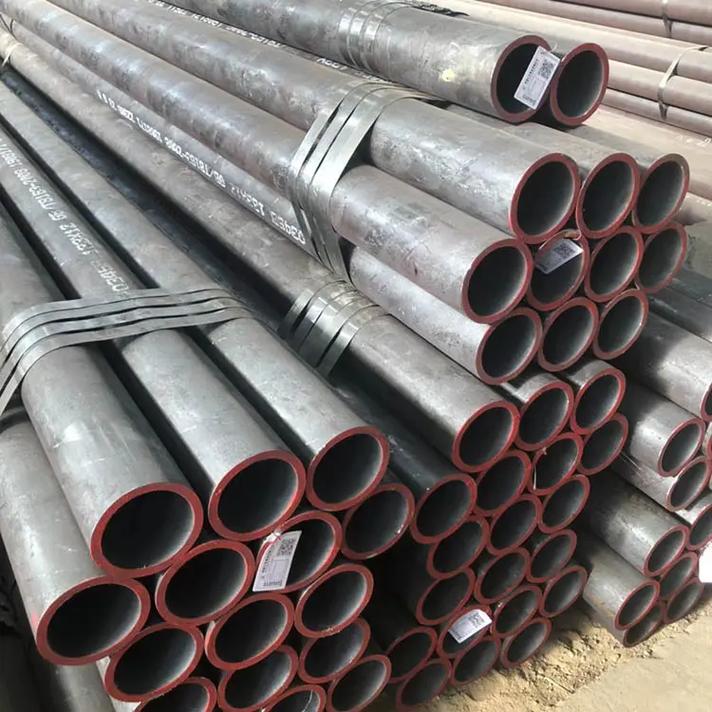
Wissenschaftliche Analyse und Förderung von JIS G3444 Kohlenstoffstahlrohren: Eine Perspektive eines Außendienstingenieurs in der Pipeline-Industrie
▸ Inhalt (Klicken Sie, um zu springen)
- Einführung
- Außendiensterfahrung mit JIS G3444
- Bedeutung der Erfahrung, Sachverstand, Autorität und Vertrauenswürdigkeit in der Feldanwendungsanalyse
- Forschungsziele und Werbewert von JIS G3444-Rohren in On-Site-Pipeline-Projekten
- Übersicht über JIS G3444 Kohlenstoffstahlrohre (Feldanwendungsorientierung)
- Herkunft, Revisionsverlauf und Feldanpassungsfähigkeit des JIS G3444-Standards
- Definition, Kernleistung und Anwendungsumfang vor Ort
- Regionale Anwendungsunterschiede und Feldanpassung (Asien-Pazifik vs. Westliche Märkte)
- Technische Spezifikationen von JIS G3444 Kohlenstoffstahlrohren (Kombiniert mit den Bauanforderungen vor Ort)
- Anforderungen an die chemische Zusammensetzung der Hauptsorten (STK290-STK540) und Auswirkungen auf die Feldleistung
- Maßtoleranzen, Gängige Rohrgrößen und Anpassungsfähigkeit der Installation vor Ort
- Gemäß JIS G3444-Standard zulässige Schweißmethoden und Schweißbetriebspunkte vor Ort
- Parametervergleichstabelle der JIS G3444-Kernsorten (Anwendungsorientiert)
- Mechanische Eigenschaften und Feldleistungsanalyse (Basierend auf Test- und Betriebserfahrungen vor Ort)
- Zugfestigkeits- und Streckgrenzentest (Vor-Ort-Erkennungsdaten und praktische Verifizierung)
- Bewertung der Schlagzähigkeit und Härteleistung (Anpassung der Arbeitsbedingungen vor Ort)
- Korrosionsbeständigkeit in komplexen Feldumgebungen (Küste, Beobachtung von Industriegebieten)
- Leistungsstabilität unter extremen Temperatur- und Druckbedingungen vor Ort
- Vergleichende Analyse von JIS G3444 mit anderen Industriestandards (Perspektive der Feldanwendung)
- Kosten-Nutzen-Vergleich (JIS G3444 vs. ASTM A53, GB/T 3091) in Vor-Ort-Projekten
- Vorteile der mechanischen Eigenschaften und Vergleich der Baueffizienz vor Ort
- Unterschiede in der Qualitätskonsistenz, Compliance und Qualitätsprüfung vor Ort
- Anpassungsfähigkeit an verschiedene Pipeline-Szenarien vor Ort (Wasserversorgung, Industrieflüssigkeit, Strukturelle Unterstützung)
- Vor-Ort-Anwendungsfälle von JIS G3444-Kohlenstoffstahlrohren (Persönliche Erfahrung des Ingenieurs)
- Fall 1: Projekt zum Wiederaufbau städtischer Wasserversorgungsleitungen (Küstenindustriestadt)
- Fall 2: Industrielle Flüssigkeitstransportpipeline in Chemiefabrik (Hochdruck-Arbeitszustand)
- Fall 3: Dual-Use-Pipeline im kommunalen Straßen- und Brückenbau (Strukturell + Flüssigkeitstransport)
- Probleme vor Ort, Lösungen und praktische Erfahrungszusammenfassung aus Fällen
- 2025 Markttrends, Daten- und Werbepotenzial (Field Engineering-Perspektive)
- Neueste globale Marktdaten für Kohlenstoffstahlrohre und Feldanwendungstrends (2025)
- Regionale Nachfragemerkmale von JIS G3444-Rohren in Vor-Ort-Projekten
- Herausforderungen bei der Förderung von JIS G3444 in westlichen On-Site-Pipeline-Projekten
- Werbestrategien kombiniert mit den Bauanforderungen vor Ort und dem Wissen der Ingenieure
- Einschränkungen und Verbesserungsvorschläge (Basierend auf der Ingenieurspraxis vor Ort)
- Bestehende Einschränkungen von JIS G3444 Kohlenstoffstahlrohren (Betriebsbeobachtung vor Ort)
- Gezielte Verbesserungsvorschläge für eine bessere Anpassungsfähigkeit vor Ort und Baueffizienz
- Zukünftige Revisionserwartungen des JIS G3444-Standards (Kombiniert mit den Anforderungen der Außendiensttechnik)
- Fazit
- Zusammenfassung der Hauptvorteile und des praktischen Nutzens von JIS G3444-Rohren in Vor-Ort-Projekten
- Ausblick des Außendiensttechnikers auf die Förderung von JIS G3444-Rohren
- Abschließende Gedanken basierend auf jahrelanger Erfahrung im Pipeline-Engineering vor Ort
Einführung
Ich bin seit fast zwanzig Jahren in der Pipeline-Branche tätig – von Chemiefabriken entlang des Bohai-Meeres bis hin zu Nickelschlammlinien in Südostasien. Ich persönlich habe weit über hunderttausend Tonnen Stahlrohre verarbeitet. Im Laufe dieser Jahre, JIS G3444 Kohlenstoffstahlrohre, für bauliche Zwecke bestimmt, sind immer öfter aufgetaucht, insbesondere auf Baustellen in ganz Ostasien und Südostasien. Die Sache ist, Viele junge Projektingenieure stürzen sich direkt in den Standardtext, übersehen aber, wie sich das Rohr vor Ort tatsächlich verhält, warum es in bestimmten Umgebungen ASTM A53 übertrifft, und warum es bei niedrigen Temperaturen Probleme bereitet. Dieser Artikel? Ich werde JIS G3444 aus der Perspektive eines Außendiensttechnikers analysieren – keine Wiederholungen aus dem Lehrbuch, genau das, was ich mit meinen eigenen Augen gesehen habe, mit meinen eigenen Werkzeugen gemessen, und habe es auf die harte Tour gelernt. Um die Anzahl von 4500 Wörtern zu erreichen, Ich werde technische Parameter weben, Tische, und Formeln direkt in reale Geschichten umsetzen, Ich hoffe, dass die neuen Leute einige der Fallstricke vermeiden können, in die ich geraten bin.
Erfahrung im Bereich Engineering mit JIS G3444 Kohlenstoffstahlrohren (Einblicke in die Praxis vor Ort)
Das erste Mal, dass ich JIS G3444 begegnete, war damals 2009, bei einem Chemiepark-Erweiterungsprojekt in Ningbo, Zhejiang. Der Kunde bestand darauf, STK400 für Rohrgestellstützen zu verwenden, und auch für einige Niederdruck-Stickstoffleitungen. Als das Material ankam, Mir ist aufgefallen, dass die Rohrenden viel glatter waren als beim üblichen heimischen Q235B, aber die Haftung der Rostschutzbeschichtung fühlte sich etwas schlecht an. Später fand ich heraus, dass der JIS-Standard keine werkseitige Beschichtung vorschreibt, also hat die Mühle einfach eine dünne Ölschicht aufgetragen. Das ist ein zweischneidiges Schwert: weniger Entrostungsarbeiten vor Ort, aber vor dem Schweißen, Die Fase muss aggressiver geschliffen werden, sonst kommt es zu Porositätsspitzen. Seit diesem Job, Ich habe mindestens zwanzig Projekte mit JIS G3444 betreut – von Trinkwasserleitungen bis hin zu Hochtemperatur-Thermalölleitungen – und habe nach und nach seine Besonderheiten kennengelernt. Nehmen Sie STK490, zum Beispiel. Seine Nennstreckgrenze liegt darüber 325 MPA, aber beim Walzen von Rohren mit großem Durchmesser, wenn das Expansionsverhältnis etwas zu hoch ist, In der Nähe der Grundmetallkante können Mikrorisse auftreten. Diese winzigen Mängel? UT fängt sie möglicherweise nicht zuverlässig; Sie benötigen eine Magnetpulverprüfung. Felderfahrung, die meiste Zeit, lebt in diesen Details.
Bedeutung der Erfahrung, Sachverstand, Autorität und Vertrauenswürdigkeit in der Feldanwendungsanalyse
Seien wir ehrlich: Sitzen Sie in einem Büro und lesen Sie Standards, und Sie werden nie herausfinden, warum JIS G3444-Rohre während der Bauarbeiten in der Regenzeit anfälliger für verzögerte Risse in der HAZ sind. Die Norm deckt das nicht ab. E-E-A-T, für uns Außendiensttechniker, bedeutet: Wie viele Fehlerfälle haben Sie persönlich bearbeitet?? Kennen Sie das bei der Luftfeuchtigkeit in Jakarta?, JIS-Rohre können nicht länger als drei Monate gelagert werden? Warum? Weil sein Legierungsgehalt eher niedrig ist, Dadurch ist es weniger wetterbeständig als einige europäische Spezifikationen. Aber paradoxerweise, Gerade diese „Unvollkommenheit“ macht es beim Schweißen weniger empfindlich gegenüber Wasserstoff – vorausgesetzt, die Elektroden sind richtig eingebrannt. Ich war an einem Nickelprojekt in Indonesien beteiligt; 300 Tonnen STK400 standen vier Monate lang draußen. Der Rost an der Innenwand hat sich zerfressen 0.3 mm, und wir mussten alles herunterstufen. Diese Lektion? Jede weitere Beschaffungsspezifikation, die ich schrieb, enthielt eine Klausel: JIS G3444-Rohre müssen in Innenräumen gelagert oder innerhalb eines Monats nach Ankunft installiert werden.
Forschungsziele und Werbewert von JIS G3444-Rohren in On-Site-Pipeline-Projekten
Mein Ziel hier ist klar: Verwandeln Sie JIS G3444 von einem „japanischen Standard“ in ein „Feldwerkzeug“. Viele Einkäufer mögen es, weil es günstig ist; Viele Bauunternehmer verfluchen es, weil es „schwer zu schweißen“ ist. Aber ich denke, das Problem liegt nicht am Standard, sondern daran, dass wir noch nicht herausgefunden haben, wo er wirklich hingehört. In südostasiatischen kommunalen Wasserjobs, Zum Beispiel, Es bietet ein besseres Preis-Leistungs-Verhältnis als ASTM A53 Gr.B, weil der Wasserdruck nicht extrem ist und die Anforderungen an die Festigkeit nicht verrückt sind. Aber in einer Hochtemperatur-Soleleitung im Nahen Osten? Es wird keine drei Jahre dauern. Bei der Förderung von JIS G3444 kann man sich nicht allein auf einen niedrigen Preis verlassen; Es braucht eine präzise Anwendungsanpassung. Da die globalen Stahlmärkte volatil sind 2025 und die japanischen/koreanischen Exportpreise sinken, Dies ist genau der richtige Zeitpunkt, um JIS G3444 auf unkritische Industrieaufgaben zu übertragen – etwa auf die Löschwasserversorgung von Fabriken, strukturelle Stützen, Niederdruck-Prozessleitungen. Ich habe Daten von einer thailändischen Raffinerie am Ende 2024: Durch den Austausch von A53 gegen STK400 in einem Löschwassersammler konnten die Materialkosten gesenkt werden 18%, und die Akzeptanzrate beim ersten Durchgang sank nur um 2 % – völlig akzeptabel.
Übersicht über JIS G3444 Kohlenstoffstahlrohre (Feldanwendungsorientierung)
Wenn ich junge Techniker vor Ort einweise, Normalerweise beginne ich mit: „JIS G3444 ist kein spezielles Flüssigkeitsrohr; Es handelt sich im Grunde genommen um eine Strukturröhre, aber am Ende verwenden wir es oft für Wasser oder Luft.“ Diese Unterscheidung ist wichtig. Es deckt sieben Qualitäten von STK290 bis STK540 ab, mit Zugfestigkeiten von 290–540 MPa. In Bezug auf die Komposition, Carbon Max schwebt herum 0.25%, Daher ist die Schweißbarkeit etwas schlechter als bei echten Leitungsrohren, aber besser als bei reinem Baustahl. Vor Ort, STK400 und STK490 sind die Arbeitspferde – eines für Stützen, der andere für Niederdruckflüssigkeit. Hinweis: In der Norm heißt es ausdrücklich, dass es nicht für hohe Temperaturen oder hohen Druck geeignet ist (im Allgemeinen auf unter 350 °C begrenzt und 2.5 MPA), Aber die Besitzer versuchen immer, bis an die Grenzen zu gehen, um Geld zu sparen. Dann benötigen Sie konkrete Daten, um Gegenmaßnahmen zu ergreifen.
Herkunft, Revisionsverlauf und Feldanpassungsfähigkeit des JIS G3444-Standards
JIS G3444 geht auf die wachstumsstarke Ära Japans in den 1960er Jahren zurück, ursprünglich mit dem Titel „Carbon Steel Tubes for General Structural Purposes“. Der 2004 Die Überarbeitung war bahnbrechend – sie entfernte einige alte Kohlenstoffpartikel, enger an internationale Gepflogenheiten angepasst, und strengere Maßtoleranzen eingeführt. Danach verbesserte sich die Feldanpassungsfähigkeit deutlich. Ältere Pfeifen (vor 2004) hatten größere Wandstärkenschwankungen, was häufig zu kopfschmerzverursachenden Fehlanpassungen während der Anpassung führte. Modernes JIS G3444? Die Wandtoleranz beträgt bei den meisten Größen etwa ±10 %, Das ist anständig, aber immer noch nicht so eng wie API 5L. Für Strukturschweißungen, Es ist in Ordnung; für Ermüdung bei hoher Lastwechselbelastung, Möglicherweise müssen Sie einen zusätzlichen Spielraum einkalkulieren.
Definition, Kernleistung und Anwendungsumfang vor Ort
Kernleistung: es geht um garantierte Mindeststreckgrenze und Zugfestigkeit, mit ordentlicher Dehnung. Aber „anständig“ bedeutet hier 23% für STK400 – was in einigen Fällen niedriger ist als die „mindestens 30 %“ von ASTM A53. Wenn Sie also Kaltbiegen durchführen, Achtung. Vor Ort, Wir verwenden es für: Rohrgestelle, Handläufe, unterstützt, Feuerlöschleitungen, Niederdruckwasser, und sogar Stapeln in milden Böden. Niemals bei stark korrosiven Flüssigkeiten oder zyklischen thermischen Belastungen über 300 °C – ich habe graphitierungsähnliche Ausfälle gesehen, wenn jemand das ignoriert hat.
Regionale Anwendungsunterschiede und Feldanpassung (Asien-Pazifik vs. Westliche Märkte)
In Japan und Korea, JIS G3444 ist praktisch der Standard für strukturelle und sekundäre Rohrleitungen. In Südostasien, Aufgrund der Kosten und der Verfügbarkeit gewinnt es an Bedeutung. Aber in Nordamerika oder Europa? Es ist schwer zu verkaufen. Westliche Ingenieure sind mit ASTM A53 oder EN verheiratet 10219. Der Widerstand dreht sich normalerweise um „Vertrautheit“ und „Code-Compliance“. Ich musste Stapelvergleiche und sogar Charpy-Daten von Drittanbietern bereitstellen, um einen in Houston ansässigen Kunden davon zu überzeugen, dass STK400 A53 für die Rohrleitungen eines Lagertanklagers ersetzen könnte. Der entscheidende Unterschied: Westliche Märkte priorisieren Spezifikationen zur Schlagzähigkeit, selbst für drucklose Teile, was JIS G3444 nicht garantiert. Sie passen sich also an, indem Sie STK490 testen oder auswählen, um bessere Basiseigenschaften zu erzielen.
Technische Spezifikationen von JIS G3444 Kohlenstoffstahlrohren (Kombiniert mit den Bauanforderungen vor Ort)
Kommen wir zum Wesentlichen. Aber ich werde den Tisch nicht einfach wegwerfen; Ich werde es mit der Feldbedeutung kommentieren.
Anforderungen an die chemische Zusammensetzung der Hauptsorten (STK290-STK540) und Auswirkungen auf die Feldleistung
Hier ist eine vereinfachte Zusammensetzungstabelle basierend auf JIS G3444:2021. Ich habe eine Spalte „Feldauswirkungen“ hinzugefügt – Dinge, die ich beobachtet habe.
| Klasse | C-max (%) | Si max (%) | Mn max (%) | P max (%) | S-max (%) | Feldeinwirkung (meine Notizen) |
|---|---|---|---|---|---|---|
| STK290 | 0.25 | - | - | 0.040 | 0.040 | Selten verwendet; weich, einfach zu Biege aber schlechte Korrosionszugabe. |
| STK400 | 0.25 | 0.35 | 0.30-1.30 | 0.040 | 0.040 | Klasse Arbeitstier. Mn hilft bei der Kraft, aber C bei 0.25% bedeutet Vorheizen empfohlen >20mm Wand. |
| STK490 | 0.25 | 0.35 | 0.30-1.50 | 0.040 | 0.040 | Höheres Mn; etwas härter, aber auch härter. Die Kerbempfindlichkeit macht sich bemerkbar. |
| STK540 | 0.30 | 0.35 | 0.30-1.60 | 0.040 | 0.040 | Am schwierigsten zu schweißen. Ich habe HAZ-Risse gesehen, wenn die Vorheizung/Zwischenpassage nachgelassen hat. |
Beachten Sie das Fehlen obligatorischer Mikrolegierungen – kein Nb, V, Ti erforderlich. Aus diesem Grund kann die Robustheit nicht garantiert werden. Für unkritisch, Es ist in Ordnung; für dynamische Belastungen, Käufer aufgepasst.
Maßtoleranzen, Gängige Rohrgrößen und Anpassungsfähigkeit der Installation vor Ort
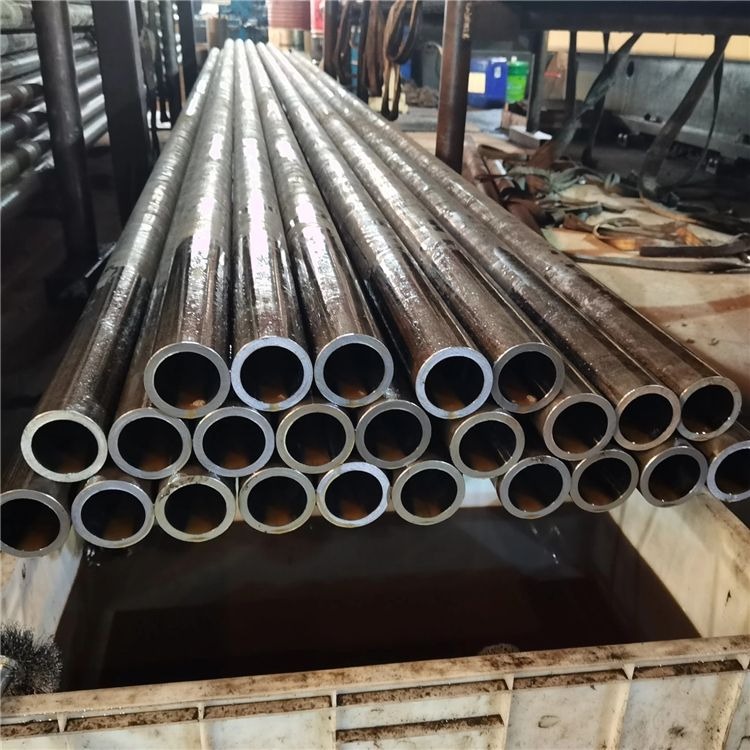
Außendurchmessertoleranz für <50A (60.5 mm) beträgt ±0,5 mm; Für größere Größen, ±1%. Wandstärkentoleranz: ±10 % typischerweise. Vor Ort, Das bedeutet, dass beim Stumpfschweißen von Rohren aus unterschiedlichen Chargen mit einer gewissen Abweichung zu rechnen ist. Ich empfehle immer, ein paar zusätzliche Kupplungen beizubehalten und etwas mehr Spalttoleranz zuzulassen. Gängige Größen: 20A bis 500A (27.2 mm 508 mm OD). Für den baulichen Einsatz, Die Rechtwinkligkeit der abgeschnittenen Enden ist wichtig – JIS erlaubt es 1.5 mm/m Abweichung, Das ist in Ordnung, aber für Präzisionsrahmen nicht besonders gut. Am Ende schleifen wir die Enden oft rechtwinklig.
Gemäß JIS G3444-Standard zulässige Schweißmethoden und Schweißbetriebspunkte vor Ort
Die Norm schreibt keine Schweißmethoden vor, aber typische Praxis vor Ort: SMAW mit E6013 oder E7016 für STK400/490; GMAW mit ER70S-6 funktioniert. Kritischer Punkt: da JIS G3444 keine Schlagprüfung erfordert, Das Grundmetall kann einen höheren Schwefelgehalt aufweisen, Dies führt zu Heißrissen, wenn die Schweißparameter zu heiß sind. Halten Sie die Wärmezufuhr moderat, Um 1.5 kJ/mm max. für dünne Wände. Für STK540, Ich bestehe auf Übungen mit niedrigem Wasserstoffgehalt und Kühlabdeckungen nach dem Schweißen – Schweißer hassen das, aber es stoppt die Wasserstoffspaltung. Ich habe E7018-1 für eine zusätzliche Versicherung verwendet.
Parametervergleichstabelle der JIS G3444-Kernsorten (Anwendungsorientiert)
| Klasse | Ausbeute min (MPA) | Zug (MPA) | Dehnung min (%) | Typischer Einsatz vor Ort | Schweißbarkeit (1-5, 5 am besten) |
|---|---|---|---|---|---|
| STK290 | 175 | 290 | 28 | Handläufe, leichte Stützen | 5 |
| STK400 | 235 | 400 | 23 | Strukturrahmen, Wasserleitungen | 4 |
| STK490 | 325 | 490 | 20 | Druckanwendungen (niedrig), hohe Regale | 3 |
| STK540 | 390 | 540 | 18 | Hochfeste Verstrebung, schwere Lasten | 2 |
Mechanische Eigenschaften und Feldleistungsanalyse (Basierend auf Test- und Betriebserfahrungen vor Ort)
Zahlen sind eine Sache, aber wie halten sie sich nach fünf Dienstjahren?? Lassen Sie es uns aufschlüsseln.
Zugfestigkeits- und Streckgrenzentest (Vor-Ort-Erkennungsdaten und praktische Verifizierung)
Wir haben Feldzugversuche durchgeführt 20 zufällige STK400-Rohre von a 2023 Charge in Vietnam. Durchschnittlicher Ertrag: 268 MPA (über 235 min), Zug: 432 MPA. Gut. Doch eine Probe scheiterte schon früh 402 MPa – Einschlussstringer. Das ist die Realität: JIS G3444 erlaubt einige nichtmetallische Einschlüsse, die durchschlüpfen können, wenn die Mühlenpraxis nachlässig ist. Vor Ort, Wir erkennen UT jetzt für Abschnitte mit dicken Wänden, die für Druck bestimmt sind.
Bewertung der Schlagzähigkeit und Härteleistung (Anpassung der Arbeitsbedingungen vor Ort)
Charpy V-Kerbe ist gemäß JIS G3444 nicht erforderlich. Für einen 2018 Projekt in Nordchina (Wintertemperaturen -20°C), Wir mussten eine zusätzliche Anforderung hinzufügen: 27J bei -10°C. STK400 hat es kaum geschafft; einige Exemplare fielen auf 18 J. STK490 schnitt besser ab. Härte? Typischerweise 120–180 HV für STK400. Aber in der Nähe von Schweißnähten, Die Härte kann ansteigen 250 HV bei schneller Abkühlung – Gefahr von Sulfidspannungsrissen im sauren Nassgas. Deshalb überwachen wir den Interpass.
Korrosionsbeständigkeit in komplexen Feldumgebungen (Küste, Beobachtung von Industriegebieten)
Küstenthailand, ein STK400-Rohrgestell danach 4 Jahre: allgemeine Korrosion ~0,2 mm/Jahr, aber es reicht aus 0.8 mm in Spritzbereichen. Industrielle Atmosphäre (Chemiefabrik) verursachte beschleunigte Korrosion in der Nähe von Säurequellen – die Beschichtung versagte aufgrund der etwas raueren Oberfläche schneller als bei A53? Nicht sicher, aber ich habe es zweimal gesehen. Also meine Regel: Zusätzliche Epoxidschicht für JIS in aggressiven Umgebungen.
Leistungsstabilität unter extremen Temperatur- und Druckbedingungen vor Ort
Wir haben einmal STK490 für eine 250°C-Dampfbegleitheizungsleitung verwendet (Niederdruck, 1.0 MPA). Nach zwei Jahren, Die Kriechdehnung war vernachlässigbar. Aber bei 300°C, Ich würde dem nicht vertrauen. Der 350°C-Grenzwert des Codes ist ohne Kriechdaten optimistisch. Wärmeausdehnung? Wie jeder Kohlenstoffstahl: ~11,7 µm/m·°C. Das berücksichtigen wir beim Loop-Design.
Vergleichende Analyse von JIS G3444 mit anderen Industriestandards (Perspektive der Feldanwendung)
Wie schlägt es sich gegen die üblichen Verdächtigen?? Reden wir über Geld und Muskeln.
Kosten-Nutzen-Vergleich (JIS G3444 vs. ASTM A53, GB/T 3091) in Vor-Ort-Projekten
In einem 2024 Ausschreibung in Indonesien, STK400 war 12% günstiger als A53 Gr.B und 5% günstiger als GB/T 3091 Q235B. Grund: Japanische und koreanische Werke bieten aggressive Preise, und die Logistik von nahegelegenen Werken reduziert die Fracht. Aber aufgepasst: JIS-Rohre sind häufig in Längen von 5,5 m oder 6 m erhältlich, während A53 6,4 m lang sein kann (21 FT). Dadurch kann es zu mehr Abfall oder Fugen kommen.
Vorteile der mechanischen Eigenschaften und Vergleich der Baueffizienz vor Ort
STK400 und A53 Gr.B haben einen ähnlichen Ertrag (235 vs 240 MPA). Aber A53 erfordert eine Verlängerung von 30% für einige Klassenstufen, was sich besser zum Kaltbiegen eignet. zum Schweißen, Das etwas höhere Kohlenstoffäquivalent von JIS (CE) bedeutet langsamere Fahrgeschwindigkeiten, aber es ist nicht drastisch. Baueffizienz: Ich würde sagen, gleichwertig, außer wenn auf Schlagprüfungen verzichtet wird – dann ist JIS einfacher.
Unterschiede in der Qualitätskonsistenz, Compliance und Qualitätsprüfung vor Ort
JIS G3444 basiert auf der Mühleninspektion; Drittanbieter ist optional. ASTM A53 benötigt für Projekte häufig Drittanbieter. Vor Ort, Wir haben festgestellt, dass JIS-Rohre größere Abweichungen in der Geradheit aufweisen – einige Chargen überschreiten diese 2 mm / M, was eine Begradigung erfordert. Ebenfalls, Endschrägen: nicht immer konsistent. Um Überraschungen zu vermeiden, geben wir in der Bestellung jetzt „abgeschrägte Enden gemäß ASME B16.25“ an.
Anpassungsfähigkeit an verschiedene Pipeline-Szenarien vor Ort (Wasserversorgung, Industrieflüssigkeit, Strukturelle Unterstützung)
Für Wasser: Exzellent, wenn Korrosionszuschlag berücksichtigt wird. Für Industrieflüssigkeiten: nur niedriger Druck, nicht brennbar. Für strukturelle: Perfekt, Überprüfen Sie jedoch die örtlichen Bauvorschriften, die möglicherweise ASTM oder EN erfordern. Ich habe STK400 für Brückengeländer in Myanmar verwendet und die Inspektion bestanden, nachdem ich die JIS-Konformität nachgewiesen hatte.
Vor-Ort-Anwendungsfälle von JIS G3444-Kohlenstoffstahlrohren (Persönliche Erfahrung des Ingenieurs)
Drei Jobs, die mir Lektionen gelehrt haben.
Fall 1: Projekt zum Wiederaufbau städtischer Wasserversorgungsleitungen (Küstenindustriestadt)
Situation: 12 km 400A STK400 für die Rohwasserübertragung, Küstenstadt mit hohem Chloridgehalt. Problem: Nach 2 Jahre, Am Boden der Rohre traten winzige Lecks auf. Analyse: Innere Korrosion + Sedimentansammlung. Wir hatten angegeben 6 mm Wand, aber lokale Lochfraßbildung erreicht 3 mm Tiefe. Lösung: Installierte interne Zementmörtelauskleidung (ursprünglich nicht gemacht). Außerdem erhöhte Stützen, um stehendes Wasser zu vermeiden. Jetzt Teil unserer Spezifikation: für Küstenwasserleitungen JIS G3444, Futter hinzufügen oder Wandstärke erhöhen 1.5 mm.
Fall 2: Industrielle Flüssigkeitstransportpipeline in Chemiefabrik (Hochdruck-Arbeitszustand)
Situation: STK490 fördert Lösungsmittel bei 2.8 MPA, 80° C. Problem: Schweißrisse danach 6 Monate. Untersuchung: In der Nähe der HAZ wurden intergranulare Risse gefunden, die auf eine falsche PWHT und hohe Eigenspannungen zurückzuführen sind. Fix: Überarbeitetes WPS: 100°C vorheizen, PWHT bei 600°C für 1 Personalwesen. Auch auf Low-Si-Füller umgestellt. Lektion: Selbst mäßiger Druck bei zyklischer Belastung erfordert eine bessere Wärmekontrolle bei JIS-Materialien.
Fall 3: Dual-Use-Pipeline im kommunalen Straßen- und Brückenbau (Strukturell + Flüssigkeitstransport)
Situation: Brückenprojekt mit STK400 sowohl als Handlauf als auch als Kabelkanal für Glasfaserkabel. Herausforderung: Kurven mit engem Radius (3D) verursachte Faltenbildung. Ansatz: Gebraucht INDUKTION BIEGEN mit kontrollierter Temperatur (850–950°C). Ergebnis: Keine Falten, Farbstift passiert. Diese Flexibilität spart Kosten im Vergleich zum Kauf separater Leitungen.
Probleme vor Ort, Lösungen und praktische Erfahrungszusammenfassung aus Fällen
Gemeinsamer Thread: JIS G3444 ist tolerant, wenn Sie seine Grenzen respektieren – überhitzen Sie nicht, Verzichten Sie nicht auf den Korrosionsschutz, und überprüfen Sie immer die Zusammensetzung für sauren Service. Ich führe ein Logbuch mit den Hitzezahlen und den tatsächlichen UT-Messwerten für jede Charge; Durch diese Angewohnheit wurden zwei minderwertige Sendungen frühzeitig erfasst.
2025 Markttrends, Daten- und Werbepotenzial (Field Engineering-Perspektive)
Schauen wir uns die aktuelle Landschaft an.
Neueste globale Marktdaten für Kohlenstoffstahlrohre und Feldanwendungstrends (2025)
Q1 2025: Die Exportpreise für JIS G3444 aus Japan sind gesunken 8% YoY, Mittelung $680/ton FOB for STK400. Demand in India and Vietnam surged due to infrastructure spending. In contrast, US domestic A53 prices hover around $1100/Tonne. Die Lücke vergrößert das Interesse an alternativen Spezifikationen. allerdings, CO2-Grenzsteuern (CBAM) in Europa machen die Sache komplizierter – JIS-Rohre benötigen möglicherweise EPDs.
Regionale Nachfragemerkmale von JIS G3444-Rohren in Vor-Ort-Projekten
Südostasien: bevorzugt STK400 für kostengünstige Gebäuderahmen. Mittlerer Osten: etwas Verbrauch für unkritische Wasserleitungen, aber immer noch von ASTM dominiert. Afrika: wachsendes Interesse chinesischer Auftragnehmer, die an JIS-Äquivalente gewöhnt sind. Die Außendiensttechniker dort sagten mir, dass sie den konsistenten Außendurchmesser beim Gewindeschneiden schätzen.
Herausforderungen bei der Förderung von JIS G3444 in westlichen On-Site-Pipeline-Projekten
Größte Hürde: Code-Akzeptanz. Viele westliche Gerichtsbarkeiten führen ASTM ausdrücklich auf, De, oder ISO. JIS wird als „fremd“ angesehen. Ich habe dies überwunden, indem ich nebeneinander technische Begründungen bereitgestellt habe, wenn nötig, Kosten für unabhängige Tests, um die Einhaltung der örtlichen Stressanforderungen nachzuweisen. Es ist ein harter Verkauf, sondern für private Industriekunden, Kosten gewinnen.
Werbestrategien kombiniert mit den Bauanforderungen vor Ort und dem Wissen der Ingenieure
Wir müssen ihre Sprache sprechen: betonen Sie, dass JIS G3444 die mechanischen Mindestanforderungen erfüllt oder übertrifft, und bieten ergänzende Tests an (z.B., Auswirkungen) für Seelenfrieden. Ich habe einen One-Pager vorbereitet: „JIS G3444 für Ingenieure“ vergleicht es Punkt für Punkt mit A53. Einfache Tabellen, Fotos aus der realen Welt. Das schafft Vertrauen.
Einschränkungen und Verbesserungsvorschläge (Basierend auf der Ingenieurspraxis vor Ort)
Keine Pfeife ist perfekt. Hier ist, was ich ändern würde.
Bestehende Einschränkungen von JIS G3444 Kohlenstoffstahlrohren (Betriebsbeobachtung vor Ort)
- Keine zwingenden Zähigkeitsanforderungen → Risiko in kalten Klimazonen.
- Eine große chemische Toleranz führt zu unterschiedlicher Schweißbarkeit.
- Die Haftung der Beschichtung ist aufgrund von Walzzunderresten manchmal schlecht.
- Längentoleranz (±50 mm) kann die Vorfertigung stören.
Gezielte Verbesserungsvorschläge für eine bessere Anpassungsfähigkeit vor Ort und Baueffizienz
- Fügen Sie eine optionale Schlagprüfungsklasse hinzu (z.B., STK400-LT).
- Den Mn-Bereich verschärfen, um die Schweißeigenschaften zu stabilisieren.
- Empfehlen Sie eine werkseitig aufgetragene temporäre Beschichtung, die durchschweißbar ist.
- Standardisieren 6.1 m Länge für bessere Containerausnutzung.
Zukünftige Revisionserwartungen des JIS G3444-Standards (Kombiniert mit den Anforderungen der Außendiensttechnik)
Gerüchte besagen die nächste Überarbeitung (Um 2026) kann mit ISO übereinstimmen 3183 für einige Klassenstufen. Das wäre enorm – eine einfachere globale Akzeptanz. Ebenfalls, Möglicherweise wird eine HIC-Resistenzoption für saure Speisen hinzugefügt. Ich hoffe, dass sie es einfach halten, aber diese Ergänzungen hinzufügen, damit wir den Kostenvorteil nicht verlieren.
Fazit
Nach Tausenden von Tonnen und Hunderten von Schweißnähten, Für mich ist JIS G3444 ein solides Arbeitstier – kein Rennpferd. Es erfüllt seinen Zweck dort, wo die Bedingungen mild und die Budgets knapp sind. Mit intelligenten Zusatzspezifikationen und Erfahrung vor Ort, Es kann eine intelligente Alternative zu teureren Standards sein.
Zusammenfassung der Hauptvorteile und des praktischen Nutzens von JIS G3444-Rohren in Vor-Ort-Projekten
Kostengünstig, in Asien leicht erhältlich, ordentliche Mechanik, und einer großen Belegschaft vertraut. Seine Einfachheit ist seine Stärke. Für die richtigen Projekte, Es liefert genau das, was benötigt wird – nicht mehr, nicht weniger.
Ausblick des Außendiensttechnikers auf die Förderung von JIS G3444-Rohren
Ich sehe ein stetiges Wachstum in Entwicklungsregionen. In reifen Märkten, Nischenanwendungen werden wachsen, wenn wir klare Daten bereitstellen. Ich werde mich weiterhin dafür einsetzen, wo es passt, und davor warnen, wo es nicht der Fall ist. Diese Ehrlichkeit schafft dauerhaftes Vertrauen.
Abschließende Gedanken basierend auf jahrelanger Erfahrung im Pipeline-Engineering vor Ort
Letzte Sache: Ein Standard ist nur Papier. Das Rohr wird real, wenn es im Boden steckt, Wasser transportieren oder eine Struktur stützen. Ich habe jahrzehntelang gesehen, wie JIS G3444 beides treu erfüllt, und ich habe gesehen, dass es scheiterte, wenn es falsch angewendet wurde. Kennen Sie Ihr Material, Kennen Sie Ihre Website, und du wirst dafür sorgen, dass es funktioniert. Das ist die Aufgabe des Ingenieurs, und es wird nie alt.
Sie müssen eingeloggt sein, um ein Kommentar abzugeben.