
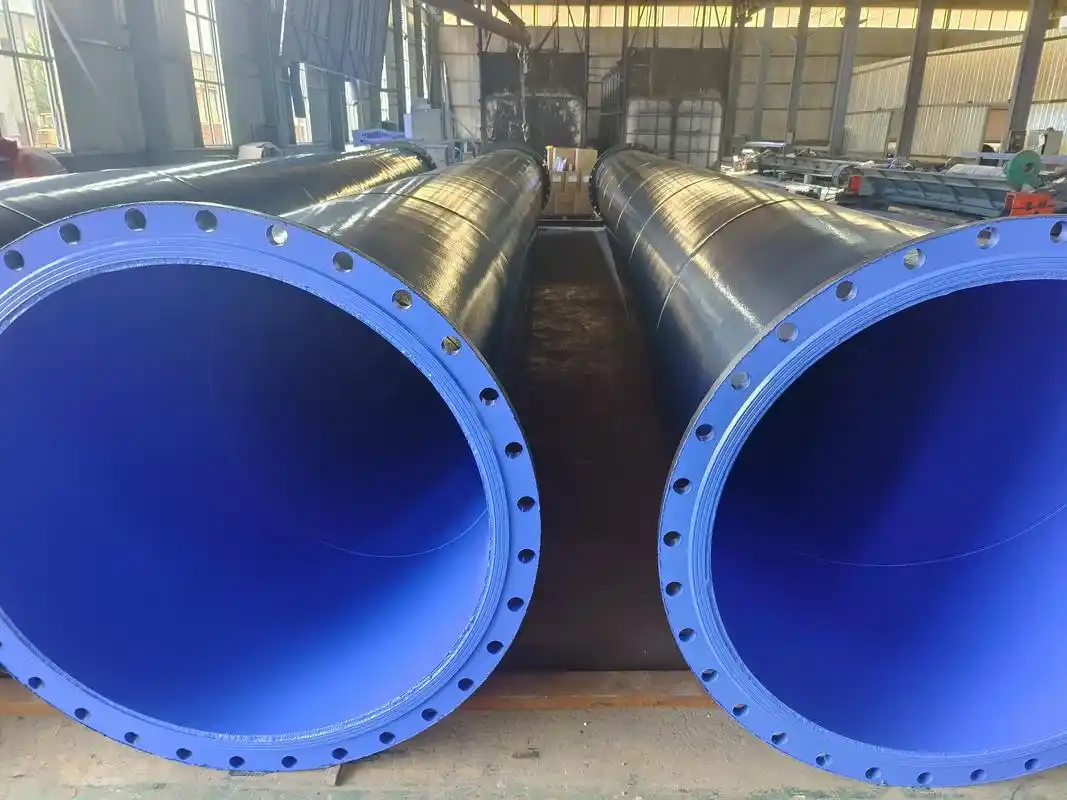
Die Liner-Entscheidung: Dreißig Jahre Erfahrung in der Kombination von Plastik und Gift
Sie haben jemals gesehen, was saures Gas mit Kohlenstoffstahl macht? Ich habe. Es ist nicht schön. Der Stahl rostet nicht wie an der Luft. Es knackt. Von innen nach außen. Kleine Linien, die man erst sieht, wenn sie nach außen dringen und alles ganz schnell zum Erliegen kommt.
Ich habe in diesem Geschäft angefangen 1994, frisch von der Metallurgieschule, Er arbeitete für einen Rohrhersteller in Ohio. Meine erste Woche im Job, Sie brachten mich zu einem Versager. 12-Zoll-Leitung aus Kohlenstoffstahl, Transport von gefördertem Wasser aus einem Schieferbrunnen. Drei Jahre im Dienst. Der Boden des Rohrs sah aus wie ein Schwamm. Überall Löcher. Der Betreiber hatte durch Ausfallzeiten eine Viertelmillion Dollar verloren.
Da habe ich gelernt: Stahl ist stark, aber Stahl ist dumm. Es weiß nicht, wie es sich schützen soll. Man muss es schützen.
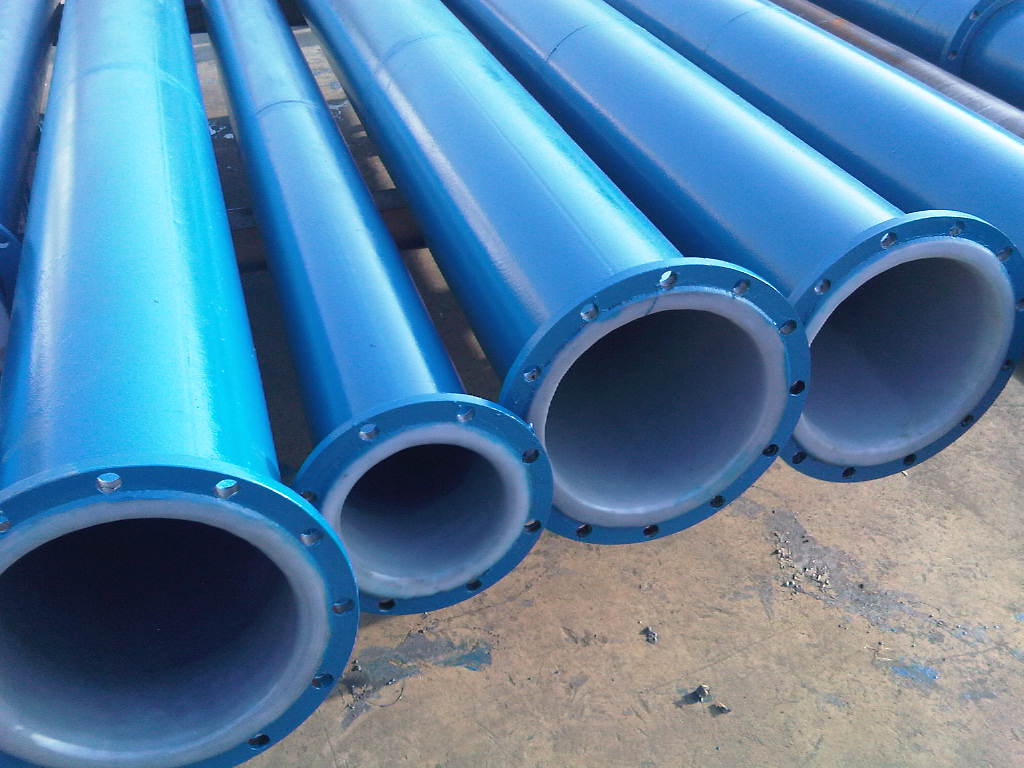
Das ist es, was Liner tun. Sie sind das Immunsystem Ihrer Pfeife.
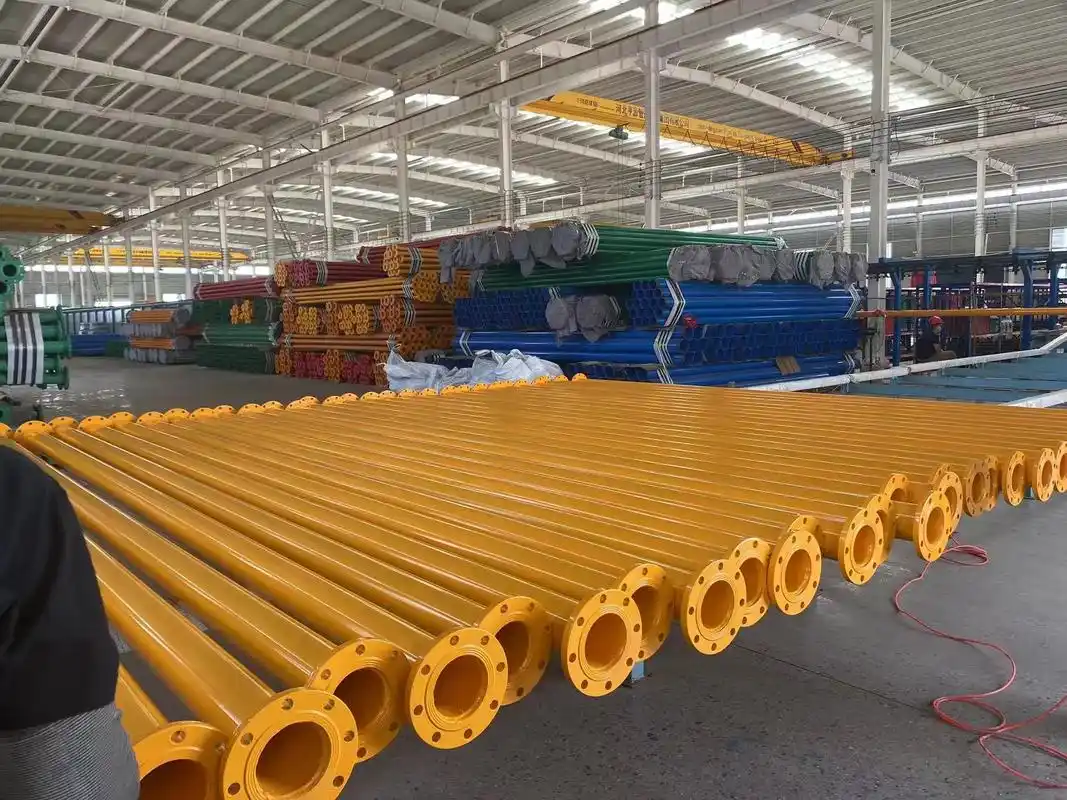
Das Problem: Was pumpst du wirklich??
Bevor Sie einen Liner auswählen, Sie müssen eine Frage beantworten. Nicht das, was im Datenblatt steht. Was ist eigentlich in der Pfeife??
Ich hatte einen Job im Nahen Osten, 2008. Der Kunde sagte “Sauergas, 2% H2S, trocken.” Wir haben PTFE empfohlen. Dreißig Kilometer installiert. Sechs Monate später, Misserfolge. Viele davon.
Es stellt sich heraus, es war nicht trocken. An den Tiefpunkten kondensierte Wasser. Das H2S löste sich in diesem Wasser. Schwefelsäure hergestellt. Nicht stark, aber stark genug. Und das PTFE? Es war in Ordnung. Aber der Stützring war nicht richtig abgedichtet. Säure gelangte hinter den Liner. Korrodierte den Stahl von außen nach innen, wenn das Sinn macht. Der Liner war perfekt. Das Rohr war Müll.
Das ist die Sache mit Linern. Sie funktionieren nur, wenn auch alles andere funktioniert.
Tabelle 1: Häufige korrosive Medien und ihre Mechanismen
| Medium | Beispiel | Schadensmechanismus | Was tatsächlich passiert |
|---|---|---|---|
| Sauergas | H2S, CO2 | Sulfidspannungsrisse | Wasserstoff gelangt in Stahl, macht es spröde |
| Starke Säure | HCl, H2SO4 | Allgemeine Korrosion | Stahl löst sich auf. So einfach ist das. |
| Starke Basis | Naoh | Ätzende Versprödung | Risse bei hoher Temperatur, hohe Konzentration |
| Chloride | Sole, Meerwasser | Lochfraß, SCC | Kleine Löcher, die zu großen Rissen werden |
| Organische Produkte | Lösungsmittel, Aromaten | Schwellung | Manche Kunststoffe werden zu Gelee |
Die Chemie ist wichtig. Die Temperatur ist wichtig. Der Druck ist wichtig. Die Durchflussrate ist wichtig. Alles ist wichtig.
Die Liner-Familie: Who is Who in der Plastikwelt
Ich möchte Ihnen die Spieler vorstellen. Ich habe mit allen zusammengearbeitet. Einiges hat mir gefallen. Andere gehasst. Von allen gelernt.
PTFE: Der alte König
Polytetrafluorethylen. Teflon für die meisten Menschen. Der Urvater der Hochleistungskunststoffe.
Was es gut kann: Fast alles. Chemisch inert bis etwa 260 °C. Da bleibt nichts hängen. Der Reibungskoeffizient ist so niedrig, dass man ihn kaum messen kann.
Worin es schlecht ist: Preis. Kalter Fluss. Durchdringung.
Formel 1: Permeationsrate (Ficks erstes Gesetz)
Wo:
-
= Permeationsfluss
-
= Diffusionskoeffizient
-
= Konzentrationsgradient
PTFE hat für kleine Moleküle einen relativ hohen D-Wert. Wasserstoff, Wasserdampf, leichte Gase. Sie gehen direkt durch. Nicht schnell, aber schnell genug.
Ich habe das an einer Chlorleitung in Texas gesehen. PTFE-ausgekleidetes Stahlrohr, zehn Jahre alt, Funktioniert gut. Dann änderten sie den Prozess. Höherer Druck. Plötzlich, Chlor drang durch die Auskleidung, den Stahl dahinter angreifen. Der Liner sah perfekt aus. Das Rohr versagte von außen nach innen.
Wir haben das Problem behoben, indem wir den Ringraum entlüftet haben. Bohren Sie kleine Löcher in den Stahl, um das eingedrungene Gas entweichen zu lassen. Hat danach gut funktioniert.
Tabelle 2: PTFE-Leistung nach Medium
| Medium | Max Temp (° C) | Chemische Resistenz | Permeationsrisiko | Meine Bewertung |
|---|---|---|---|---|
| H2S (trocken) | 230 | Exzellent | niedrig | ⭐⭐⭐⭐⭐ |
| H2S (nass) | 150 | Exzellent | Medium | ⭐⭐⭐⭐ |
| HCl (beliebig) | 150 | Exzellent | niedrig | ⭐⭐⭐⭐⭐ |
| H2SO4 (Konz) | 200 | Exzellent | niedrig | ⭐⭐⭐⭐⭐ |
| H2SO4 (verdünnen) | 120 | Exzellent | Medium | ⭐⭐⭐⭐ |
| Naoh (50%) | 100 | Exzellent | niedrig | ⭐⭐⭐⭐⭐ |
| Chlor (nass) | 80 | Gut | hoch | ⭐⭐⭐ |
| Kohlenwasserstoffe | 200 | Exzellent | Medium | ⭐⭐⭐⭐ |
PFA: Das Upgrade
Perfluoralkoxy. Betrachten Sie es als jüngeres PTFE, flexiblerer Cousin. Gleiche chemische Beständigkeit. Bessere mechanische Eigenschaften.
Was ist anders?: PFA kann schmelzverarbeitet werden. Das bedeutet bessere Schweißnähte, glattere Oberflächen, weniger Porosität. Es verträgt auch kurzzeitig höhere Temperaturen, obwohl die kontinuierliche Bewertung ähnlich ist.
Der Haken: Es kostet mehr. Über 20-30% mehr als PTFE. Manchmal lohnt es sich, manchmal nicht.
Ich habe PFA bei einem Auftrag in der Nordsee verwendet. Hochdruckgas, Kondensat, etwas H2S, etwas Wasser. Der Kunde wollte das Beste. PFA-Liner, belüfteter Ringraum, Überwachungsports. Kostet ein Vermögen. Aber diese Linie läuft seit fünfzehn Jahren ohne Probleme. Manchmal bekommt man das, wofür man bezahlt.
PP: Das Arbeitstier
Polypropylen. Billig. Heiter. Erledigt den Job an vielen Orten.
Temperaturgrenze: 80-90° C. Das ist es. Darüber hinaus, es wird weich. Über 100°C, es ist nutzlos.
Chemische Resistenz: Gut für Säuren und Basen bei moderaten Temperaturen. Nicht gut für starke Oxidationsmittel. Nicht gut für Kohlenwasserstoffe – sie lassen es anschwellen.
Formel 2: Quellverhältnis
Wenn S% > 10%, Du hast ein Problem. Der Liner dehnt sich aus, Schnallen, blockiert Ihr Rohr.
Ich habe das an einer Förderwasserleitung im Perm gesehen. PP-Liner, 80°C Wasser, etwas Ölverschleppung. Nach zwei Jahren, der Liner war angeschwollen 15%. Es sah aus wie eine Schlange, die eine Ziege verschluckt hat. Überall Beulen. Durchfluss um die Hälfte reduziert. Musste die gesamte Leitung durch PE ersetzen.
PE: Das günstige Date
Polyethylen. Noch günstiger als PP. Wird für Wasser verwendet, Abwasser, Milde Chemikalien.
Temperaturgrenze: 60°C für HDPE. 80°C für PEX (vernetzt). Darüber hinaus, Nein.
Chemische Resistenz: Gut für Säuren und Basen bei niedrigen Temperaturen. Überhaupt nicht gut für Kohlenwasserstoffe. Sie verwandeln HDPE in ein Gel.
Der Vorteil: Preis. und Zähigkeit. PE ist nahezu unmöglich zu brechen. Darauf kann man schlagen, Lass es fallen, ziehe es durch einen Graben, und es wird immer noch funktionieren.
Ich habe PE für eine Tailings-Linie in Kanada verwendet. 40° C, milde Säure, viele Feststoffe. Der PE-Liner hielt zwölf Jahre. Habe es durch das Gleiche ersetzt. Manchmal ist billig klug.
Gummi: Die alte Schule
Naturkautschuk, Neopren, Butyl, EPDM, Nitril. Unterschiedliche Gummis für unterschiedliche Aufgaben.
Welcher Gummi eignet sich gut?: Abriebfestigkeit. Flexibilität. Versiegelung. Dämpfung.
Welcher Gummi macht sich nicht gut?: Hohe Temperatur. Starke Säuren. Organische Produkte.
Tabelle 3: Auswahl der Gummiauskleidung
| Gummityp | Max Temp | Säurebeständigkeit | Abrieb | Kohlenwasserstoffbeständigkeit | Beste Verwendung |
|---|---|---|---|---|---|
| Natürlich | 70° C | Arm | Exzellent | Arm | Gülle, Wasser |
| Neopren | 100° C | Gut | Gut | Gerecht | Allgemeiner Zweck |
| Butyl | 120° C | Exzellent | Arm | Arm | Starke Säuren |
| EPDM | 130° C | Gut | Gut | Arm | Wasser, milde Chemikalien |
| Nitril | 100° C | Gerecht | Gut | Exzellent | öl, Kraftstoff |
Ich habe Butylkautschuk für eine Phosphorsäurelinie in Florida spezifiziert. 80° C, 40% Säure, einige Feststoffe. Der Gummi hielt acht Jahre. Als wir es gezogen haben, Der Liner war immer noch flexibel. Der Stahl dahinter war perfekt. Das ist ein Sieg.
Epoxidbeschichtungen: Die dünne Option
Nicht wirklich ein Liner. Eher eine dicke Farbe. 0.5mm bis 2 mm dick, normalerweise.
Wo es funktioniert: Milde Chemikalien, niedrige Temperatur, kein Abrieb. Denken Sie an Trinkwasser, mildes Abwasser, atmosphärische Exposition.
Wo es scheitert: Hohe Temperatur, Starke Säuren, beugen, Abrieb, leer.
Formel 3: Lebensdauer der Beschichtung (Meine Faustregel)
Wo:
-
= Lebensdauer in Jahren
-
= Schichtdicke (mm)
-
= Konstante (0.1 für Epoxidharz)
-
= Chemischer Konzentrationsfaktor
-
= Temperaturfaktor
Für ein 1 mm dickes Epoxidharz 10% H2SO4 bei 40°C:
Jahre. Nicht großartig.
Ich habe gesehen, wie eine Epoxidbeschichtung bei einem Salzsäure-Einsatz innerhalb von sechs Monaten versagte. Die Spezifikation besagte, dass es fünf Jahre halten sollte. Jemand hat vergessen, es der Säure zu sagen.
Die Auswahlmatrix: Was geht wohin
Nach dreißig Jahren, Hier ist mein Spickzettel. Es steht in keinem Lehrbuch. Es ist einfach das, was funktioniert.
Tabelle 4: Liner-Auswahl nach Service
| Service | Temperaturbereich | Liner-Option 1 | Liner-Option 2 | Liner-Option 3 | Was ich wählen würde |
|---|---|---|---|---|---|
| Sauergas (trocken) | -20 bis 80°C | PTFE | PFA | PE | PTFE. Im trockenen Zustand ist das Permeationsrisiko gering. |
| Sauergas (nass) | -20 bis 80°C | PTFE (entlüftet) | PFA (entlüftet) | Gummi | PTFE-belüftet. Überwachen Sie diese Lüftungsschlitze. |
| HCl (beliebig) | 0 bis 100°C | PTFE | PFA | Butylkautschuk | PTFE. Butyl, wenn es auf die Kosten ankommt. |
| H2SO4 (>80%) | 0 bis 100°C | PTFE | PFA | PP (Wenn <60° C) | PTFE. Leg dich nicht mit Schwefelsäure an. |
| H2SO4 (verdünnen) | 0 bis 80°C | PTFE | PP | Gummi | PP. Billig, funktioniert gut. |
| Naoh (50%) | 0 bis 80°C | PP | PE | PTFE | PP. Keine Notwendigkeit für teure Sachen. |
| Meerwasser | 0 bis 40°C | PE | Epoxid | Gummi | PE. Billig, dauert ewig. |
| Produziertes Wasser | 0 bis 80°C | PP | PE | PTFE | PP. Achten Sie auf Ölverschleppungen. |
| Chlor (trocken) | 0 bis 100°C | PTFE | PFA | Keiner | PTFE. Nichts anderes funktioniert. |
| Chlor (nass) | 0 bis 60°C | PTFE (entlüftet) | Keiner | Keiner | PTFE-belüftet. Nasses Chlor ist unangenehm. |
| Kohlenwasserstoffe | 0 bis 100°C | PTFE | PFA | Nitrilkautschuk | PTFE. Keine Schwellungssorgen. |
| Gülle | 0 bis 60°C | Gummi | PE | PTFE | Gummi. Abriebfestigkeit ist wichtig. |
Hier ist das Besondere an diesem Tisch: Es ist ein Ausgangspunkt, kein Endpunkt. Jeder Job ist anders. Jede Flüssigkeit ist anders. Jeder Temperaturzyklus ist anders.
Die Fehlermodi: Wie Liner sterben
Ich habe Liner auf mehr Arten versagen sehen, als ich zählen kann. Hier sind die größten Hits.
Durchdringung
Gas strömt durch den Liner, greift den Stahl von hinten an. Der Liner sieht perfekt aus. Das Rohr ist Müll.
So beheben Sie das Problem: Den Ringraum entlüften. Bohren Sie Löcher in den Stahl. Lassen Sie das Gas entweichen. Überwachen Sie den Druck im Entlüftungssystem. Wenn Sie Druck sehen, Du hast Durchdringung. Wenn Sie Flüssigkeit sehen, Du hast ein Leck.
Formel 4: Anforderung an die Ringraumentlüftung
Wo:
-
= Entlüftungsbereich erforderlich
-
= Permeationsrate
-
= Rohrlänge
-
= Zulässiger Gegendruck
-
= Gasgeschwindigkeit
Ich habe ein Entlüftungssystem für eine Sauergasleitung in Alberta entworfen. 20 Kilometer, 12-Zoll, PTFE-ausgekleidetes Stahlrohr. Wir haben die Permeationsrate berechnet, Lüftungsschlitze entsprechend dimensionieren. Zwanzig Jahre später, funktioniert immer noch.
Zusammenbruch
Vakuum im ausgekleideten Stahlrohr. Der Liner saugt sich nach innen. Blockiert den Fluss.
Formel 5: Kritischer Kollapsdruck
Wo:
-
= Kollapsdruck
-
= Elastizitätsmodul
-
= Poissonzahl
-
= Linerdicke
-
= Linerdurchmesser
Dünne Liner lassen sich leicht zusammenfalten. Dicke Liner kollabieren stärker.
Ich habe das an einer Säureinjektionslinie in Louisiana gesehen. Die Pumpen schalteten plötzlich ab. Vakuumgeformt. Der PP-Liner fiel zusammen wie eine zertretene Getränkedose. Der Austausch kostet ein Vermögen.
So beheben Sie das Problem: Verwenden Sie dickere Liner. Installieren Sie Vakuumbrecher. Gestalten Sie das System so, dass es nicht passieren kann.
Wärmeausdehnung
Rohr wird heiß. Stahl dehnt sich aus. Liner dehnt sich weiter aus. Futterschnallen.
Formel 6: Wärmeausdehnungsunterschied
PTFE dehnt sich etwa zehnmal stärker aus als Stahl. Erhitze es auf 100°C, und ein 10-Meter-Abschnitt wächst 15 mm mehr als der Stahl. Wohin geht diese zusätzliche Länge?? Es knickt ein.
So beheben Sie das Problem: Kleben Sie den Liner fest. Oder Dehnungsschleifen entwerfen. Oder in einem engen Temperaturbereich arbeiten.
Chemischer Angriff
Falscher Liner für den Job. Es löst sich auf, schwillt an, Risse, oder erweicht.
Tabelle 5: Warnungen zur chemischen Kompatibilität
| Buchse | Vermeiden Sie diese | Was geschieht |
|---|---|---|
| PTFE | Geschmolzene Alkalimetalle | Nicht relevant für ausgekleidete Stahlrohrleitungen |
| PFA | Das Gleiche wie PTFE | Das Gleiche wie PTFE |
| PP | Starke Oxidationsmittel, Aromaten | Versprödung, Schwellung |
| PE | Kohlenwasserstoffe >60° C | Verwandelt sich in Gel |
| Gummi | Ozon, Starke Säuren, Öle | knacken, Schwellung |
| Epoxid | Starke Säuren, Dampf | Blasenbildung, sich lösen |
Ich habe einmal PP für eine Benzollinie angegeben. Großer Fehler. Benzol bei 50 °C ließ das PP wie ein Schwamm aufquellen. Musste durch PTFE ersetzt werden. Hat mich einen Kunden gekostet.
Die Fallstudien: Echte Jobs, Echte Lektionen
Lassen Sie mich Sie durch drei Jobs führen. Jeder hat mir etwas beigebracht.
Fall 1: Die Sauergasleitung, die uns fast umgebracht hätte
Standort: West-Alberta, 2010
Service: Erdgas, 5% H2S, 2% CO2, Spuren von Wasser
Temperatur: 40-60° C
Druck: 1200 PSI
Länge: 15 km
Durchmesser: 10-Zoll
Die Wahl: PTFE -Liner, 3mm dick, belüfteter Ringraum.
Was richtig gelaufen ist: Das PTFE bewältigte das H2S perfekt. Keine Korrosion. Keine Permeationsprobleme. Die Entlüftungsöffnungen zeigten nie Druck.
Was schief gelaufen ist: Während eines Shutdowns, Die Leitung kühlte schnell ab. Das PTFE zog sich stärker zusammen als der Stahl. An den Flanschen, Der Liner wurde von der Dichtfläche zurückgezogen. Als sie neu starteten, Gas gelangte am Flansch hinter die Auskleidung. Den Ringraum unter Druck setzen. Die Entlüftung ist ausgeblasen.
Die Lösung: Wir haben die Flanschverbindungen neu gestaltet. Es wurde ein Verriegelungsmechanismus hinzugefügt, der den Liner unabhängig von der Temperatur an Ort und Stelle hält. Kosten extra, aber es hat funktioniert.
Was ich gelernt habe: Temperaturzyklen sind wichtiger als konstante Temperaturen. Entwerfen Sie immer den schlimmsten Fall.
Fall 2: Die Säuregrenze, die zwei Monate anhielt
Standort: Louisiana, 2015
Service: 30% HCl, einige organische Stoffe
Temperatur: 70° C
Druck: 150 PSI
Länge: 500 Meter
Durchmesser: 6-Zoll
Die Wahl: PP-Liner, 4mm dick. Jemand dachte, es würde Geld sparen.
Was schief gelaufen ist: Alles. Das PP war nicht für HCl bei 70 °C ausgelegt. Wir haben es ihnen gesagt. Sie hörten nicht zu. Nach zwei Monaten, Der Liner war spröde. Überall Risse. Säure gelangte in den Stahl. Lochlecks an sechs Stellen.
Die Lösung: Durch PTFE ersetzen. Kostet das Dreifache dessen, was der ursprüngliche Auftrag gekostet hätte.
Was ich gelernt habe: Billig ist teuer. Stets.
Fall 3: Die Schlammlinie, die nicht sterben würde
Standort: Nevada, 2018
Service: Rückstände aus dem Goldbergbau, 30% Feststoffe, PH 2-3
Temperatur: 30-40° C
Druck: Atmosphärisch
Länge: 3 km
Durchmesser: 8-Zoll
Die Wahl: Naturkautschuk, 6mm dick.
Was richtig gelaufen ist: Der Gummi nahm den Abrieb wie ein Champion auf. Nach fünf Jahren, Wir haben den Wandverlust gemessen. Weniger als 1 mm. Der Stahl dahinter war perfekt.
Was schief gelaufen ist: Nichts. Diese Linie läuft immer noch.
Was ich gelernt habe: Manchmal sind die alten Wege die besten Wege. Gummi gibt es aus gutem Grund schon immer.
Das Neue: Wohin wir gehen
Leitfähige Liner
In Kunststoffrohren baut sich statische Elektrizität auf. Kann Funken verursachen. Im brennbaren Betrieb, das ist schlimm.
Neue Liner enthalten Ruß oder andere leitfähige Füllstoffe. Sie leiten statische Aufladung ab. Sicher für Kohlenwasserstoffe.
Zweischichtige Liner
Zwei verschiedene Kunststoffe, coextrudiert. Die Innenschicht ist chemikalienbeständig. Die äußere Schicht verbindet sich mit dem Stahl. Das Beste aus beiden Welten.
Ich habe letztes Jahr auf einer Messe eine Demo davon gesehen. PTFE-Innenseite, modifiziertes PE-Außenmaterial. Haftfestigkeit dreimal höher als Standard. Interessantes Zeug.
Intelligente Liner
Im Liner eingebettete faseroptische Sensoren. Sie messen die Temperatur, Beanspruchung, sogar chemische Präsenz. Echtzeitüberwachung des Linerzustands.
Jetzt teuer. Wird in zehn Jahren Standard sein.
Tabelle 6: Neue Liner-Technologien
| TECHNOLOGIE | Status | Kostenprämie | Nutzen |
|---|---|---|---|
| Leitfähige Liner | kommerziell | +10-20% | Statische Ableitung |
| Zweischichtig | kommerziell | +20-30% | Bessere Bindung |
| Glasfaser | Feldversuche | +50-100% | Echtzeit-Überwachung |
| Nanoverstärkt | Labor | Unbekannt | Stärke, Barriere |
Der Entscheidungsprozess: Was ich eigentlich mache
Nach dreißig Jahren, Hier ist mein Prozess. Es ist nicht kompliziert.
Schritt 1: Holen Sie sich die echten Daten
Nicht das Datenblatt. Die echten Daten. Was ist in dem ausgekleideten Stahlrohr?? Bei welcher Temperatur? Bei welchem Druck? Für wie lange? Irgendwelche Überraschungen? Eventuelle Abschaltungen? Eventuelle Reinigungszyklen?
Schritt 2: Beseitigen Sie die offensichtlichen Neins
Temperatur zu hoch für PP? Beseitigen. Kohlenwasserstoffe vorhanden? Beseitigen Sie Gummi (außer Nitril). Starkes Oxidationsmittel? Eliminieren Sie alles außer PTFE/PFA.
Schritt 3: Nehmen Sie die Möglichen in die engere Auswahl
Am Ende stehen Ihnen normalerweise zwei oder drei Optionen zur Verfügung. PTFE für den harten Einsatz. PP für die einfachen Dinge. Gummi zum Abrieb.
Schritt 4: Betrachten Sie das System
Wie lang ist das Rohr?? Wie viele Armaturen? Wie viele Flansche? Lange Rohrstrecken begünstigen günstigere Auskleidungen. Viele Beschläge bevorzugen flexiblere Liner.
Schritt 5: Denken Sie über das Scheitern nach
Wenn dieser Liner versagt, Was geschieht? Ein Lochleck? Ein katastrophaler Bruch? Wie schlimm ist die Konsequenz? Schlechte Folgen rechtfertigen teure Liner.
Schritt 6: Rufen Sie an
Dann wählen Sie. Und hoffe, dass du recht hast.
Tabelle 7: Meine Kurzreferenzkarte
| Zustand | PTFE | PFA | PP | PE | Gummi | Epoxid |
|---|---|---|---|---|---|---|
| Temp > 100° C | ✅ | ✅ | ❌ | ❌ | ❌ | ❌ |
| Temperatur 80-100°C | ✅ | ✅ | ⚠️ | ❌ | ⚠️ | ❌ |
| Temp < 80° C | ✅ | ✅ | ✅ | ✅ | ✅ | ✅ |
| Starke Säure | ✅ | ✅ | ⚠️ | ❌ | ⚠️ | ❌ |
| Starke Basis | ✅ | ✅ | ✅ | ✅ | ⚠️ | ⚠️ |
| Kohlenwasserstoffe | ✅ | ✅ | ❌ | ❌ | ⚠️ | ⚠️ |
| Abrieb | ⚠️ | ⚠️ | ⚠️ | ✅ | ✅ | ❌ |
| Vakuumservice | ⚠️ | ✅ | ✅ | ✅ | ✅ | ❌ |
| Kosten | $$$$ |
$$$$ |
$$ |
$ | $$$ | $ |
✅ = Gut, ⚠️ = Achtung, ❌ = Nein
Was ich jungen Ingenieuren erzähle
Ein junger Ingenieur hat mich einmal gefragt: “Woher weiß ich, welchen Liner ich wählen soll??”
Ich sagte: “Das tust du nicht. Nicht wirklich. Sie treffen Ihre beste Vermutung auf der Grundlage der Ihnen vorliegenden Daten. Dann beobachtest du es wie ein Falke. Und wenn es scheitert – denn etwas scheitert immer –, lernt man daraus.”
Er sah enttäuscht aus. Wollte eine Formel, Ich finde. Ein Entscheidungsbaum. Eine garantierte Antwort.
Es gibt keinen.
Es gibt einfach Erfahrung. Und Daten. Und aufmerksam sein. Und bescheiden genug sein, zuzugeben, wenn man falsch liegt.
Diese Sauergasleitung in Alberta? Der mit dem Flanschproblem? Wir haben es behoben. Aber ich denke immer noch darüber nach. Ich frage mich immer noch, was ich sonst noch verpasst habe.
Das ist der Job. Man hört nie auf zu lernen. Du hörst nie auf, dir Sorgen zu machen. Man wird einfach besser darin wissen, worüber man sich Sorgen machen muss.
Sie müssen eingeloggt sein, um ein Kommentar abzugeben.