
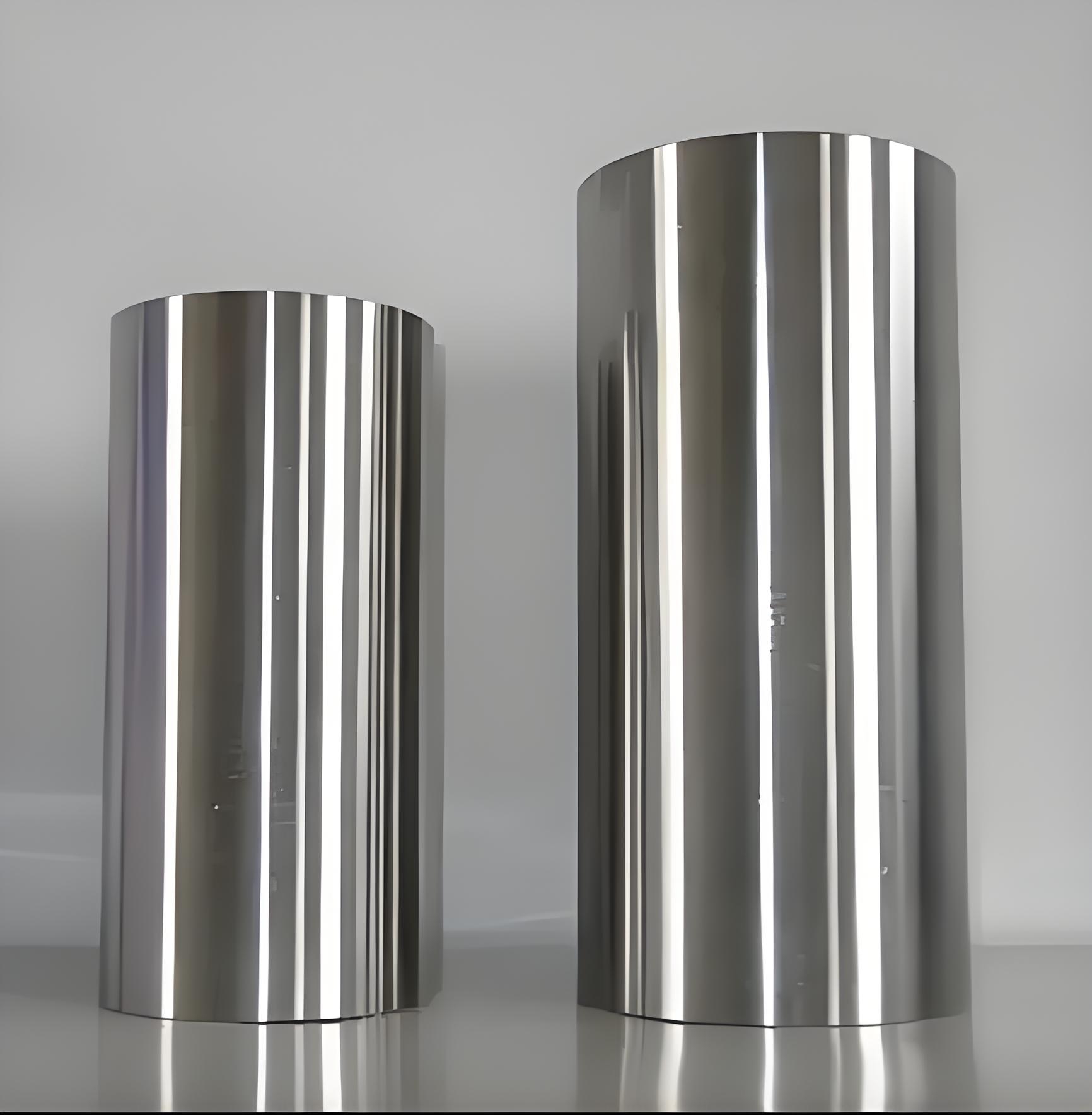
ИНКОНЕЛЬ 601 (США N06601, W.NR. 2.4851)
Nickel-Chromium-Iron Alloy with Aluminum Addition | Трубы, Трубка, ФИТИНГИ & Flanges for Extreme High-Temperature Corrosion Resistance
Superalloy engineered for oxidation resistance up to 2200°F, nitriding atmospheres, and demanding thermal processing applications
ИНКОНЕЛЬ 601 (США N06601, W.NR. 2.4851) is not merely a variant of Alloy 600—it is a distinct superalloy designed for environments where oxidation, nitriding, and thermal cycling would destroy lesser materials. Procurement engineers who specify this alloy must understand not just the numbers on a datasheet, but the metallurgical rationale behind its exceptional performance. The alloy’s composition typically ranges 58-63% никель, 21-25% хром, with iron as the balance, and critically, 1.0-1.7% Алюминий. That aluminum is the key. During exposure to high-temperature oxidizing atmospheres, aluminum diffuses to the surface and forms a continuous, adherent Al₂O₃ layer that complements the chromium oxide film, creating a dual-oxide barrier that remains protective even at temperatures approaching 1200°C (2200° F). This is the alloy’s defining characteristic—oxidation resistance that outlasts and outperforms virtually any other commercially available nickel-based alloy in air or combustion atmospheres. Yet the alloy’s utility extends far beyond simple oxidation resistance. It exhibits exceptional resistance to carburization, nitriding, and chlorine-containing environments. The remainder of this article will dissect the alloy’s composition, mechanical behavior across temperature ranges, manufacturing requirements, и качество documentation that procurement professionals should demand when sourcing Inconel 601 Трубы, Трубка, ФИТИНГИ, и фланцы.
What makes Inconel 601 particularly valuable in industrial applications is its combination of high-temperature strength with fabricability. Unlike many superalloys that become brittle after welding or require complex post-weld heat treatments, Сплав 601 remains ductile and weldable in the solution-annealed condition. The alloy’s microstructure is austenitic, with a face-centered cubic crystal structure stabilized by nickel. This structure provides excellent toughness from cryogenic temperatures up to the alloy’s maximum service temperature. однако, the alloy’s response to thermal exposure is not without nuance. Prolonged service in the temperature range of 600-800°C can lead to precipitation of secondary phases—primarily carbides (M₂₃C₆) and small amounts of intermetallic phases—which can cause some loss of room-temperature ductility. This is rarely a concern for static structural applications, but it becomes relevant when components are subject to thermal cycling or mechanical vibration. I recall a case where Inconel 601 thermowells in a petrochemical furnace showed cracking after several years of cyclic operation. Analysis revealed that the cracking initiated at carbide stringers that had formed during slow cooling from service temperature. The solution? A simple post-service solution anneal during scheduled maintenance, which restored the material’s ductility. For procurement engineers, this underscores the importance of understanding the manufacturer’s heat treatment practices—specifically, that Alloy 601 should be supplied in the solution-annealed condition (typically 1100-1180°C, followed by rapid cooling) to ensure optimal microstructural stability and consistent mechanical properties.
1.1 Химический состав: The Role of Aluminum and Chromium in Oxidation Resistance
The chemical composition limits for Inconel 601 are tightly controlled to achieve the alloy’s signature properties. никель (58-63%) provides the austenitic matrix and imparts exceptional resistance to chloride-induced stress corrosion cracking. хром (21-25%) is the primary element for oxidation and carburization resistance; При повышенных температурах, chromium forms a protective Cr₂O₃ scale that slows oxygen diffusion into the base metal. Алюминий (1.0-1.7%) is the distinguishing element that elevates Inconel 601 above Alloy 600. During high-temperature exposure, aluminum forms a thin, continuous layer of Al₂O₃ beneath the Cr₂O₃ scale, creating a composite oxide that remains adherent even under thermal cycling. This aluminum oxide layer is particularly effective in environments containing sulfur or chlorine, where chromium oxide alone can be disrupted. Iron constitutes the balance of the composition, typically ranging 14-20%, which contributes to the alloy’s structural stability and reduces raw material cost without compromising corrosion resistance. Carbon is limited to 0.10% максимум, which controls carbide precipitation during welding and service. кремний (≤0.50%) и марганец (≤1,0%) are present as deoxidizers and contribute modestly to oxidation resistance. Sulfur is held to a strict maximum of 0.015% to maintain hot workability and prevent embrittlement. Copper is limited to 1.0% максимум, though typical production levels are significantly lower. The combination of these elements results in a material that maintains its mechanical integrity and surface stability in environments that would rapidly degrade standard stainless steels or even many other nickel alloys. For procurement engineers reviewing mill test certificates, the aluminum content deserves particular scrutiny—values consistently at the upper end of the range (1.4-1.7%) generally correlate with superior long-term oxidation performance, particularly in cyclic service.
| Элемент | Состав % (мин) | Состав % (Макс) | Типичное значение |
|---|---|---|---|
| никель (Ni) | 58.0 | 63.0 | 60.5 |
| хром (CR) | 21.0 | 25.0 | 23.0 |
| Железо (Железо) | Remainder | Remainder | ~14.5 |
| Алюминий (Ал) | 1.0 | 1.7 | 1.35 |
| УГЛЕРОД (C) | - | 0.10 | 0.045 |
| марганец (MN) | - | 1.0 | 0.50 |
| кремний (Si) | - | 0.50 | 0.30 |
| серы (S) | - | 0.015 | 0.002 |
| Медь (Cu) | - | 1.0 | 0.20 |
1.2 Физические свойства: плотность, Теплопроводность, and Expansion Behavior
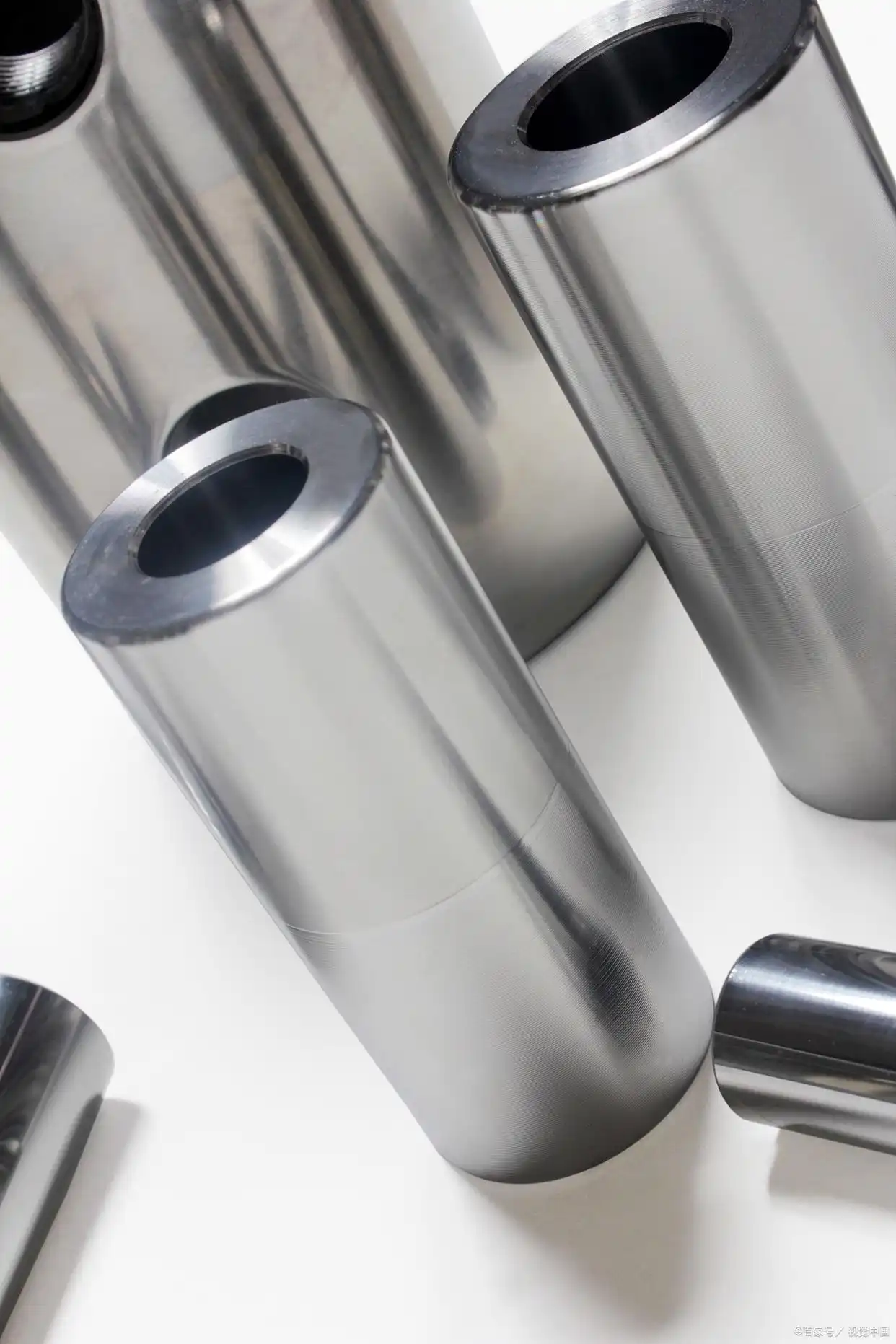
физические свойства uncelel 601 reflect its nickel-chromium base and its suitability for high-temperature applications where dimensional stability and heat transfer characteristics matter. Density is 8.11 G/CM³ (0.293 фунт/дюйм³) При комнатной температуре, which is slightly higher than stainless steel but typical for nickel-based alloys. The melting range spans 1360-1411°C (2480-2572° F), providing a substantial margin below typical service temperatures. Thermal conductivity is approximately 11.2 W/m·K at 20°C, decreasing slightly with temperature before increasing again at higher temperatures—a behavior typical of nickel alloys where phonon scattering dominates at intermediate temperatures. More critically, the coefficient of thermal expansion (CTE) is linear and predictable: 12.8 × 10⁻⁶ /°С (20-100° C), rising to approximately 16.2 × 10⁻⁶ /°C at 1000°C. This expansion behavior is important for designers joining Inconel 601 to other materials; the CTE is closer to that of stainless steel than to carbon steel, which informs welding procedure development and joint design. Electrical resistivity is 1.18 μΩ·m at room temperature, making the alloy suitable for electrical heating element applications where resistance heating is desired. The alloy’s modulus of elasticity is 206 ГПа (29.9 × 10⁶ psi) При комнатной температуре, decreasing gradually to about 150 GPa at 800°C. For procurement engineers specifying pipe and fittings, these physical properties influence everything from thermal stress calculations to insulation thickness requirements.
| Свойство | Ценить (метрический) | Ценить (имперский) | Заметки |
|---|---|---|---|
| плотность | 8.11 G/CM³ | 0.293 фунт/дюйм³ | при 20 ° C. |
| Диапазон плавления | 1360-1411 ° C | 2480-2572 ° F | solidus-liquidus |
| Теплопроводность (20° C) | 11.2 Вт/м·К | 6.5 BTU·in/ft²·hr·°F | increases with temperature |
| Удельная теплоемкость (20° C) | 450 J/kg·K | 0.108 BTU/фунт · ° F. | - |
| CTE (20-100° C) | 12.8 × 10⁻⁶ /°С | 7.1 × 10⁻⁶ /°F | linear to 1000°C |
| CTE (20-1000° C) | 16.2 × 10⁻⁶ /°С | 9.0 × 10⁻⁶ /°F | for thermal stress calculations |
| Электрическое удельное сопротивление (20° C) | 1.18 µОМ · м | 47.2 μΩ·in | suitable for heating elements |
| Модуль упругости (20° C) | 206 ГПа | 29.9 × 10⁶ psi | decreases ~30% at 800°C |
| Magnetic Permeability | < 1.02 | - | Немагнитный, Аустенитный |
1.3 Механические свойства: Прочность, пластичность, и сопротивление ползучести
ИНКОНЕЛЬ 601 exhibits mechanical properties that are both impressive at room temperature and remarkably stable at elevated temperatures. In the solution-annealed condition, minimum tensile strength is 550 MPA (80 Ksi), with typical values ranging 620-700 MPa depending on cold work. Предел текучести (0.2% офсет) has a minimum of 205 MPA (30 Ksi), with typical annealed values around 275-350 MPA. Elongation is a minimum of 40%, often reaching 50-55% in properly annealed material, indicating exceptional ductility that facilitates forming and bending operations. Hardness typically ranges 60-80 on the Rockwell B scale, which is soft enough for cold working but hard enough to resist galling during threading. где uncel 601 truly distinguishes itself is in its elevated-temperature mechanical properties. At 600°C, the alloy retains approximately 75% of its room-temperature yield strength; при 800 ° C., it still retains 50%. Creep-rupture strength is similarly robust: for a 1000-hour rupture life at 900°C, the stress capability is approximately 25 MPA. The Larson-Miller parameter (LMP) approach is commonly used to model creep behavior: LMP = T(20 + \log t_r), where T is temperature in Kelvin and t_r is rupture time in hours. For Inconel 601, the material constant is approximately 23,000. This predictive capability is essential for designers specifying components for long-term high-temperature service. For procurement engineers, these properties mean that Inconel 601 can be specified for applications where creep strength and oxidation resistance must coexist—such as radiant tubes, heat exchanger baffles, and furnace hardware.
| Свойство | минимум (ASTM B167) | Типичный (отожженный) | Метод испытаний |
|---|---|---|---|
| Прочность на растяжение, ultimate | 550 MPA (80 Ksi) | 650-750 MPA | ASTM E8 |
| Предел текучести (0.2% офсет) | 205 MPA (30 Ksi) | 275-350 MPA | ASTM E8 |
| относительное удлинение (через 2″) | 40% | 50-55% | ASTM E8 |
| Твердость (Rockwell B) | - | 60-80 В hrb | ASTM E18 |
| Уменьшение площади | - | 65-75% | ASTM E8 |
| Impact Strength (Чарпи V-Notch, RT) | - | 150-200 J | ASTM E23 |
  Прочность (MPA)
     700|    * (RT)
        |     *
     600|      *   (200° C)
        |        *
     500|          *   (400° C)
        |            *
     400|              *   (600° C)
        |                *
     300|                  *   (800° C)
        |                    *
     200|                      *   (1000° C)
        |
     100|
        +-------------------------------------------------- температура (° C)
        0    200   400   600   800   1000   1200

    Предел текучести (0.2%): 290 MPa at RT → 210 MPa at 600°C → 110 MPa at 1000°C.
    Прочность на растяжение: 680 MPa at RT → 450 MPa at 800°C.
    Data derived from ASTM E21 elevated temperature tensile tests.
1.4 Производство, термическая обработка, and Product Forms
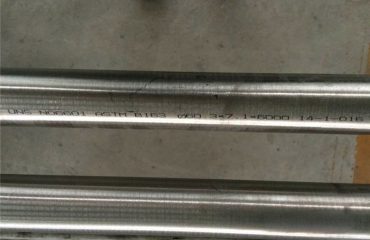
ИНКОНЕЛЬ 601 is produced through vacuum induction melting (Вим) followed by electroslag refining (ЭСР) or vacuum arc remelting (НАШ) for critical applications where inclusion control is paramount. The alloy is hot worked (Кованый, rolled, or extruded) in the temperature range 1050-1200°C, followed by solution annealing at 1100-1180°C with rapid cooling—typically water quenching or forced air cooling. This heat treatment dissolves carbides and achieves the optimal grain size (ASTM 5-7) for balanced strength and ductility. Unlike many precipitation-hardening alloys, ИНКОНЕЛЬ 601 does not respond to age hardening; its strength comes primarily from solid-solution strengthening and grain size control. For pipe and tube manufacturing, the alloy is produced in both seamless (ASTM B167) и сваренный (АСТМ Б775) формы. Seamless tubing is produced by extrusion or piercing followed by cold drawing and intermediate annealing. Welded pipe is manufactured from strip that is roll-formed and welded using GTAW or plasma welding, with no filler metal added, followed by full solution annealing of the weld seam and heat-affected zone. ФИТИНГИ (под приварку, раструбный сварной шов, Пьяный) are manufactured to ASTM B366, with material supplied from certified mill product. Flanges are forged per ASTM B564. For procurement engineers, the critical documentation includes EN 10204 3.1 или 3.2 Сертификация, with full traceability from melt to finished product. Supplementary testing often includes PMI (Положительная идентификация материала) for each piece, ultrasonic examination, and for welded products, radiographic inspection of the weld seam. The following section presents a representative Mill Test Certificate for Inconel 601 Бесшовные трубы.
Мельница тестовый сертификат (EN 10204 Тип 3.1)
Продукт: ИНКОНЕЛЬ 601 Бесшовные трубы | Спецификация: ASTM B167 / ASME SB167
UNS: N06601 | W.Nr.: 2.4851 | тепло: INC-2407-88
Размеры: 4″ Перекайся 40 -х годов (114.3 mm OD x 6.02 мм мас) | длина: 6,000 мм (Random)
Количество: 212 шт. (8.4 тонн) | Производство: Бесшовные, Холодной обращается, solution annealed 1150°C, water quenched
Химический анализ (вес%, ICP-OES):
Ni: 60.42 | CR: 22.88 | Железо: 14.25 | Ал: 1.42 | C: 0.042 | MN: 0.48 | Si: 0.28 | S: 0.001 | Cu: 0.12
Aluminum content = 1.42% (optimal range for high-temperature oxidation resistance)
Механические свойства (Окружающий, per ASTM E8):
Прочность на растяжение: 685 MPA | Предел текучести (0.2% офсет): 310 MPA | относительное удлинение: 52%
Твердость: 72 В hrb | Grain Size: ASTM 6 (uniform austenitic)
️ Elevated Temperature Tensile (600° C, ASTM E21):
Прочность на растяжение: 520 MPA | Предел текучести: 205 MPA | относительное удлинение: 38%
⚙️ Non-Destructive Testing & коррозия:
• Ultrasonic Test (ASTM E213): 100% scanned, no rejectable indications
• Гидростатический тест: 16.5 MPA (2390 пси), zero leakage
• Flattening & Flare Tests: No cracks or defects
• Intergranular Corrosion (ASTM G28 Method A): Passed (mass loss 0.08 g/m²)
• Oxidation Test (1000° C, 100h in air): Mass gain 0.32 мг/см², adherent oxide scale
✅ Certification & Отслеживание: EN 10204 3.1, raw material certificates, heat treatment charts (time-temperature profile), third-party witness (ТЮФ) report. PMI verification performed on all pieces.
QA Manager: S. Okonkwo | 2025-04-22 | Heat treatment records available digitally
  Weight Gain (мг/см²) after 500h in air at 1100°C
      20|
         |                                  * 310 нержавеющий (massive scaling)
      15|                             *
         |                        *
      10|                   *
         |              *  Сплав 600
       5|         *
         |    *  ИНКОНЕЛЬ 601 (negligible)
       0+--------------------------------------------------
        0    100   200   300   400   500   время (часы)

    ИНКОНЕЛЬ 601 forms a protective Al₂O₃ layer that remains adherent even after thermal cycling.
    Сплав 600 и 310 stainless show breakaway oxidation after 200-300 часы.
1.5 Эквивалентные стандарты, Product Forms, and Application Guidelines
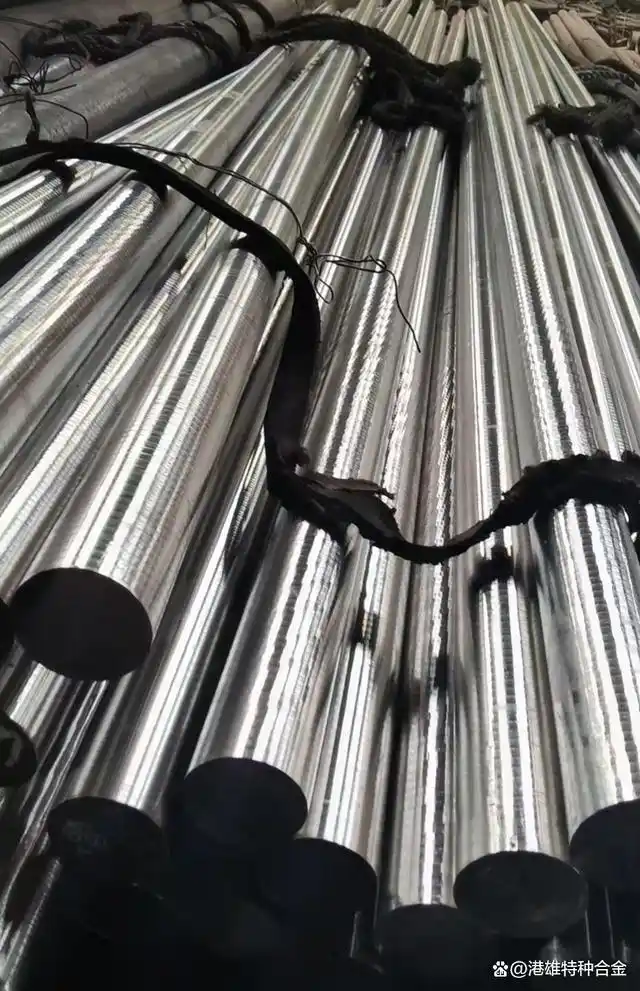
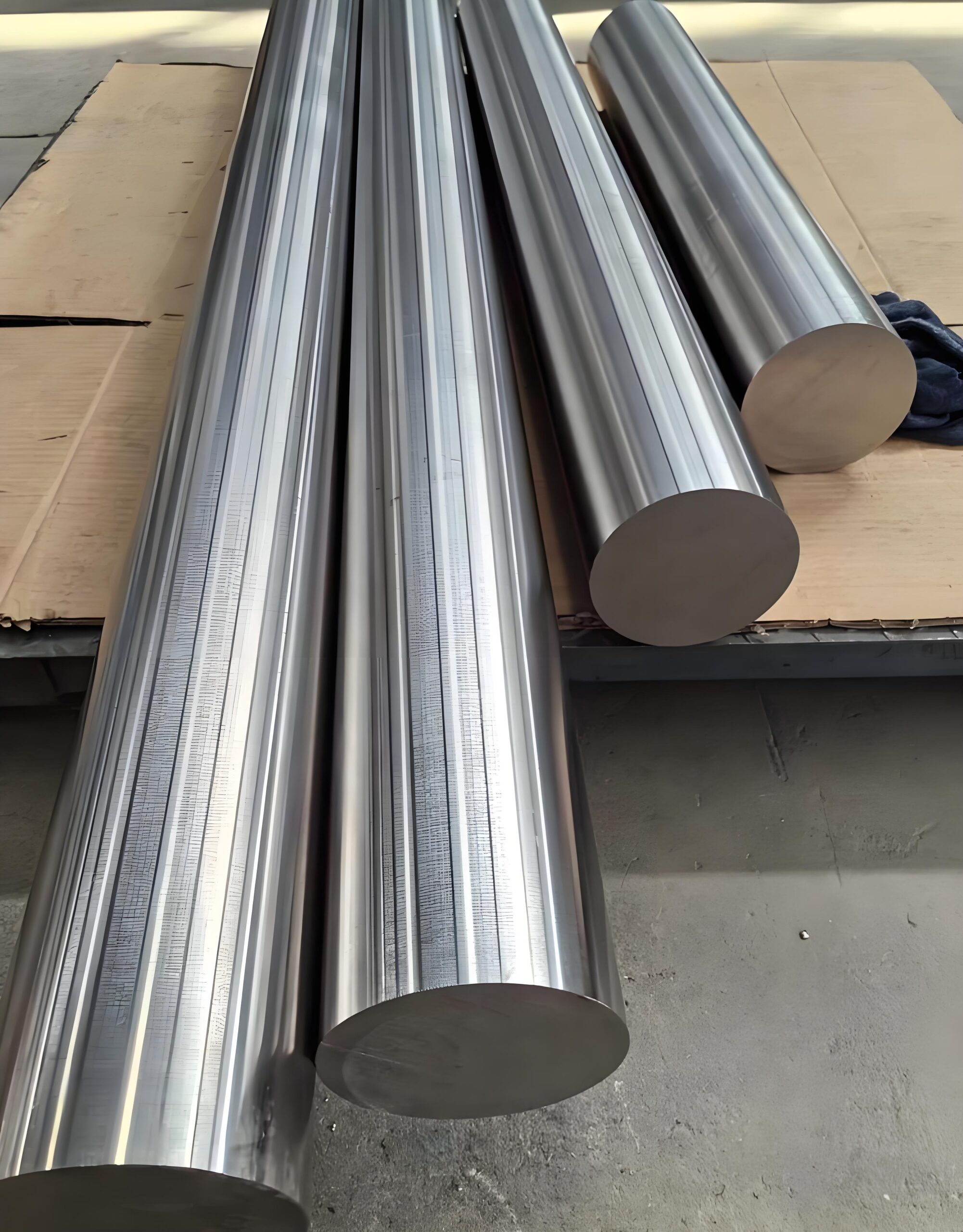
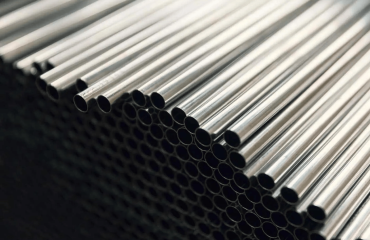
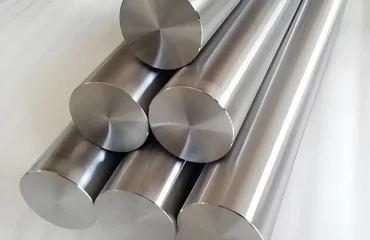
ИНКОНЕЛЬ 601 is recognized under multiple international specifications. The UNS designation is N06601; the Werkstoff number is 2.4851; European standard EN 2.4851; and various national standards including GOST (Russia) and JIS (Япония) equivalents. The alloy is available in an extensive range of product forms: seamless and welded pipe (½ ” 24″), seamless and welded tube (down to 6mm OD), BUTTWELD ШТУЦЕРЫ (локти, тройники, редукторы, колпачки, Сто Концы) to ASTM B366, Кованые фланцы (АНСИ, ДИН, Table E/D/H) to ASTM B564, instrumentation fittings, крепеж (Болты, Орехи, threaded rods), and bar/plate forms. For procurement engineers, specifying the correct product form and standard is critical. для труб, the governing standards are ASTM B167 (Бесшовные) and ASTM B775 (Сварные), with supplementary requirements often drawn from ASME Section II for code applications. For tubing, ASTM B167 and B829 apply. For fittings, ASTM B366 covers buttweld fittings; socket weld and threaded fittings are typically sourced to ASME B16.11 with material per ASTM B366. Flanges are forged per ASTM B564 to ASME B16.5 or B16.47 dimensions. When ordering, the following specification example ensures comprehensive coverage: “Бесшовные трубы, 4″ Перекайся 40 -х годов, ASTM B167 UNS N06601, solution annealed and water quenched, with EN 10204 3.1 Сертификация, 100% PMI, and supplementary UT per ASTM E213.” For applications requiring NACE MR0175 compliance (sour gas environments), ИНКОНЕЛЬ 601 is generally acceptable as it is inherently resistant to sulfide stress cracking, but verification with the manufacturer is recommended.
| Форма продукта | Стандарт | Typical Size Range |
|---|---|---|
| Бесшовные трубы | ASTM B167 / ASME SB167 | ½ ” – 12″ NPS, SCH 5S to SCH 160 |
| сварная труба | АСТМ Б775 / ASME SB775 | 6″ – 24″ NPS, up to SCH 80 |
| бесшовная трубка | ASTM B167 / B829 | 6 мм – 200 мм OD |
| BUTTWELD ШТУЦЕРЫ | АСТМ Б366 | ½ ” – 24″, all schedules |
| Кованые фланцы | АСТМ Б564 | ½ ” – 48″, 150# Кому 2500# |
| бар, стержень, Wire | ASTM B166 | раунд, hex, Квадрат, Резьбовые |
| плита, Лист, Strip | ASTM B168 / B906 | 0.5 мм – 50 Толщина мм |
  стресс (MPA)
     150|
        |
     125|                         *
        |                      *
     100|                   *   (LMP = 23,000)
        |                *
      75|             *
        |          *
      50|       *
        |    *
      25| *
        |
        +-------------------------------------------------- Larson-Miller Parameter (Т(20+log t_r))
        18,000   20,000   22,000   24,000   26,000

    LMP = T(20+log t_r) where T in Kelvin, t_r rupture time in hours.
    Design curves for 1000-hour and 10,000-hour life can be derived from this master curve.
Ты должен быть вошли в систему опубликовать комментарий.