
المعدات النووية
المعدات النووية تواصل التحرك نحو "التصنيع المدقع"وشرعت في طريق التطوير الذاتي والتطوير المبتكر الفريد والمستقل.
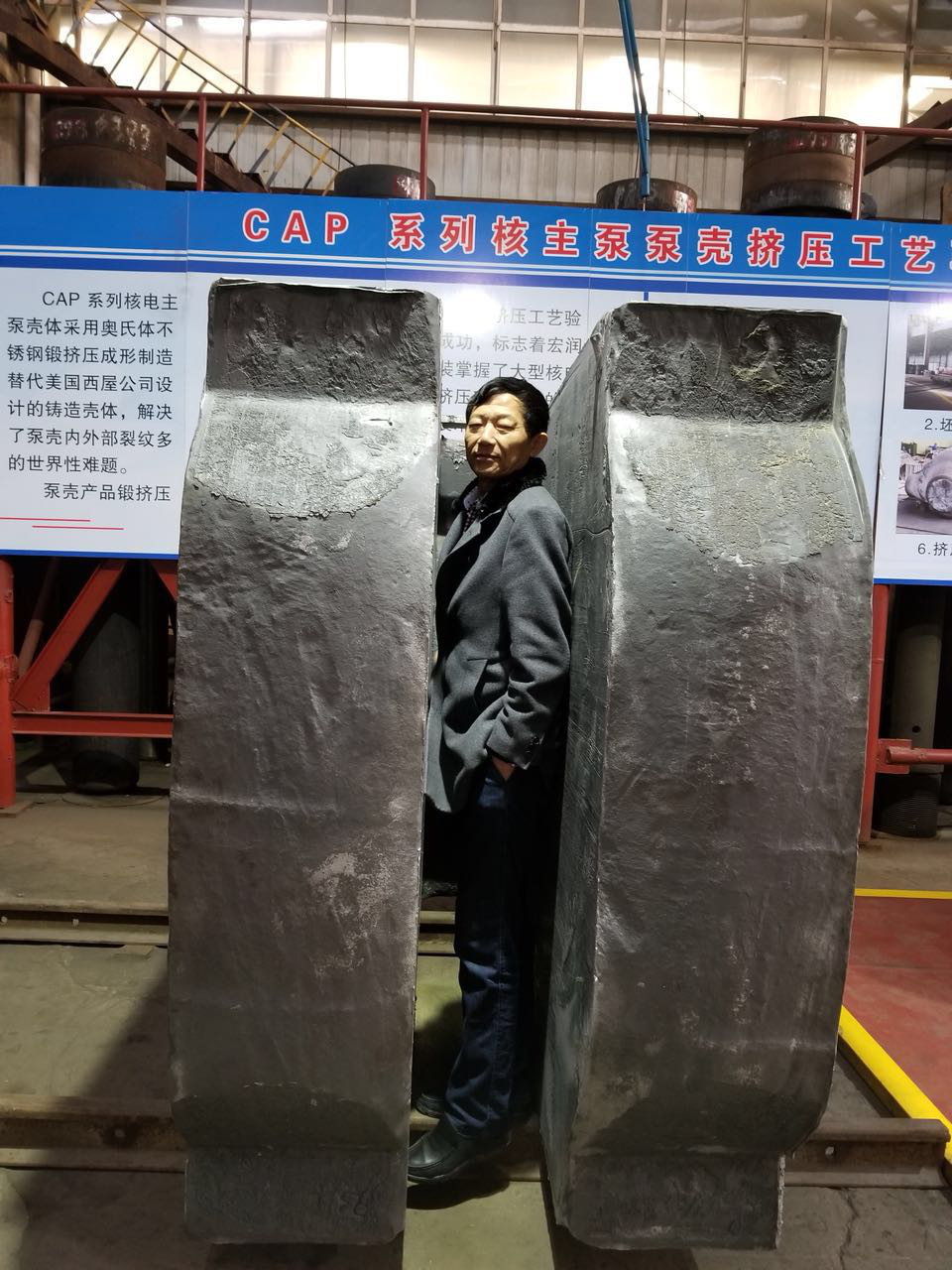
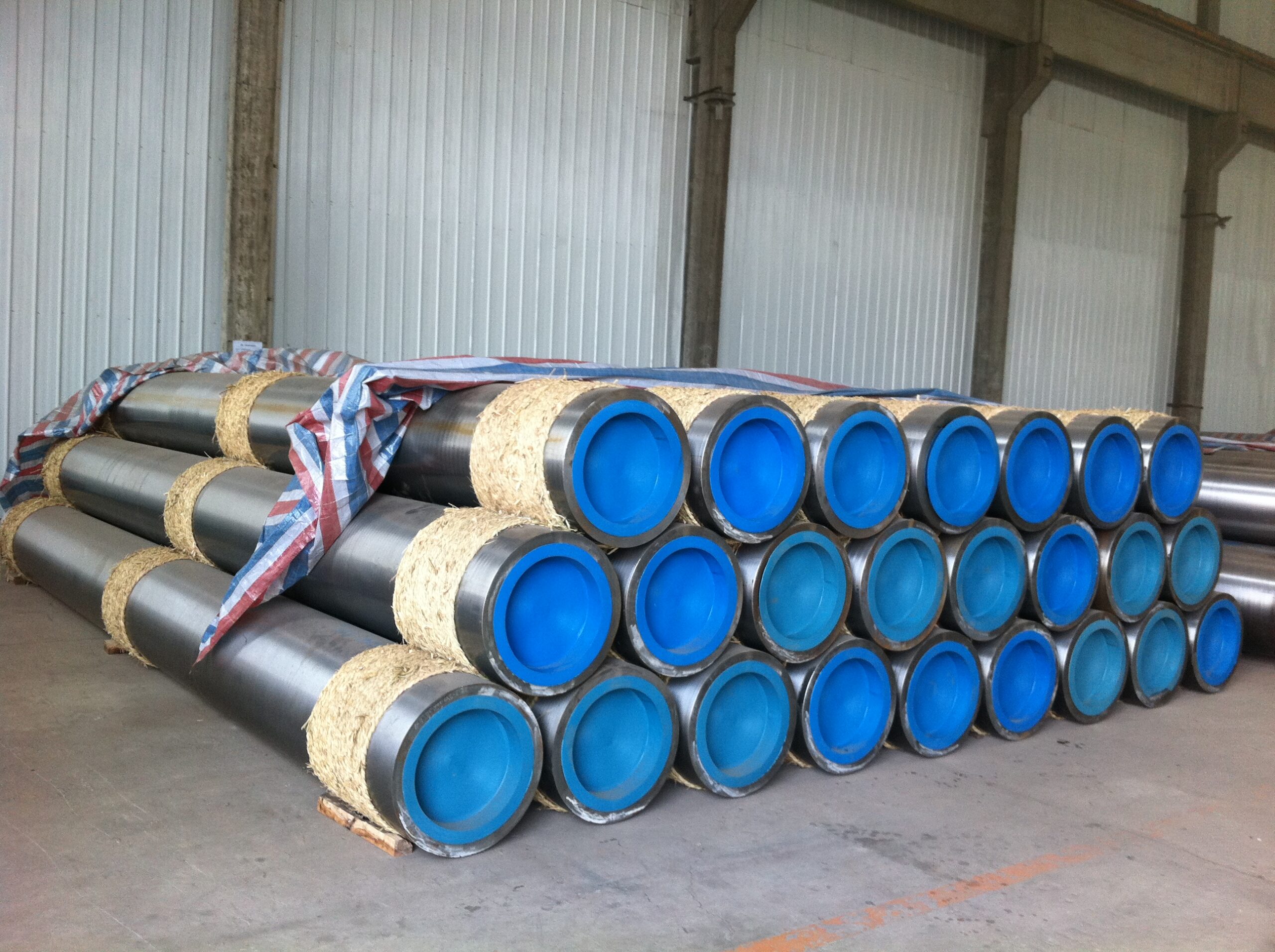
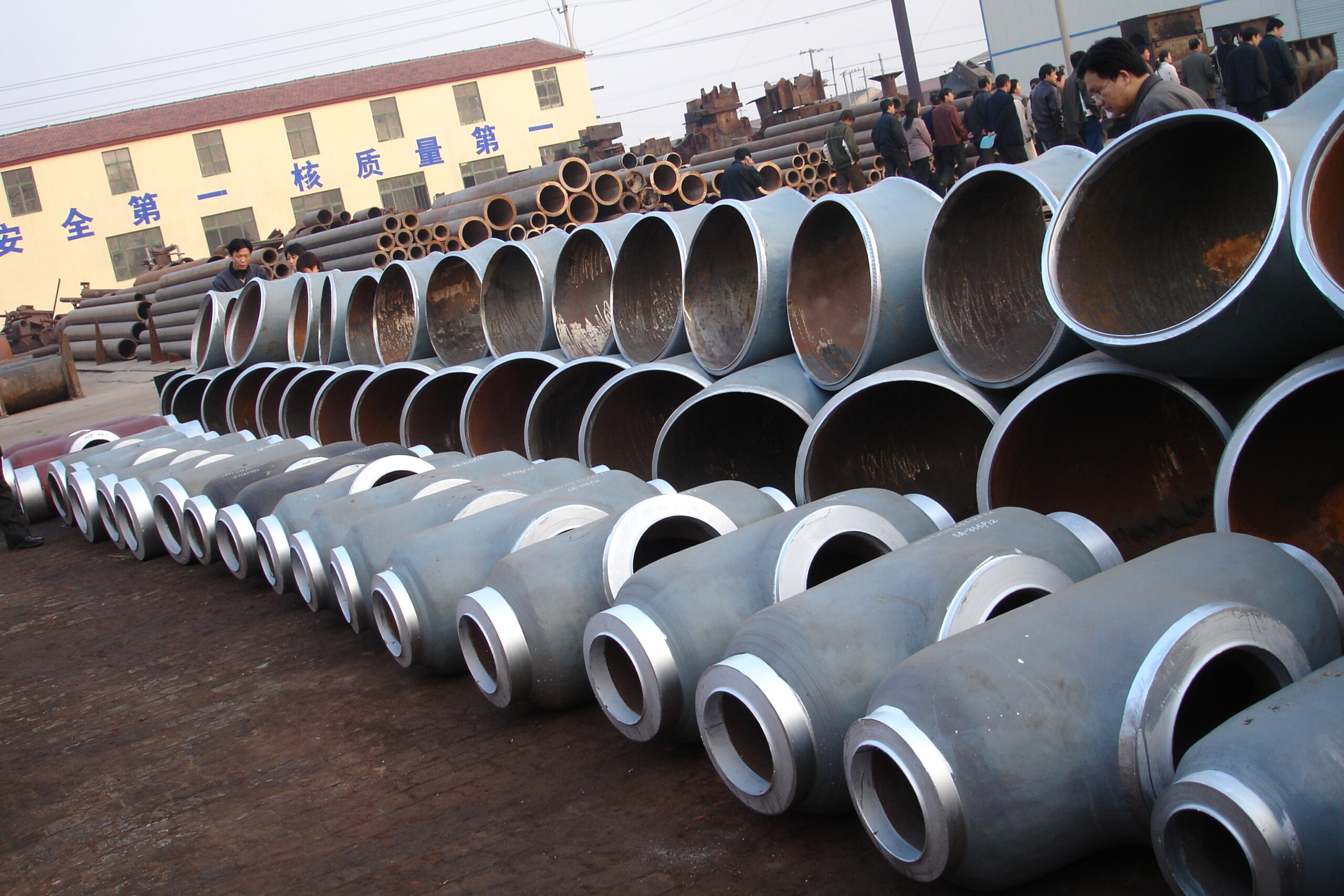
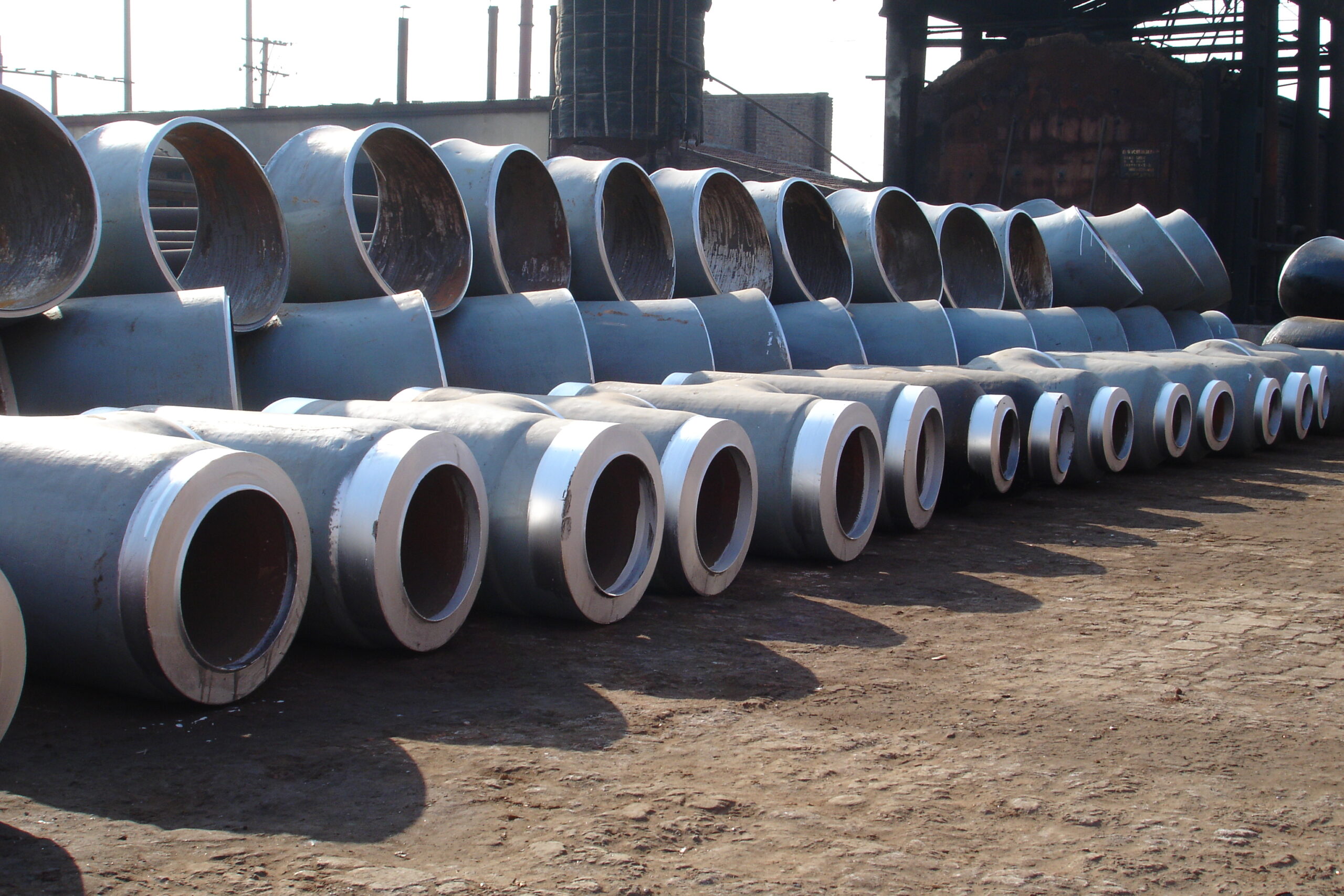
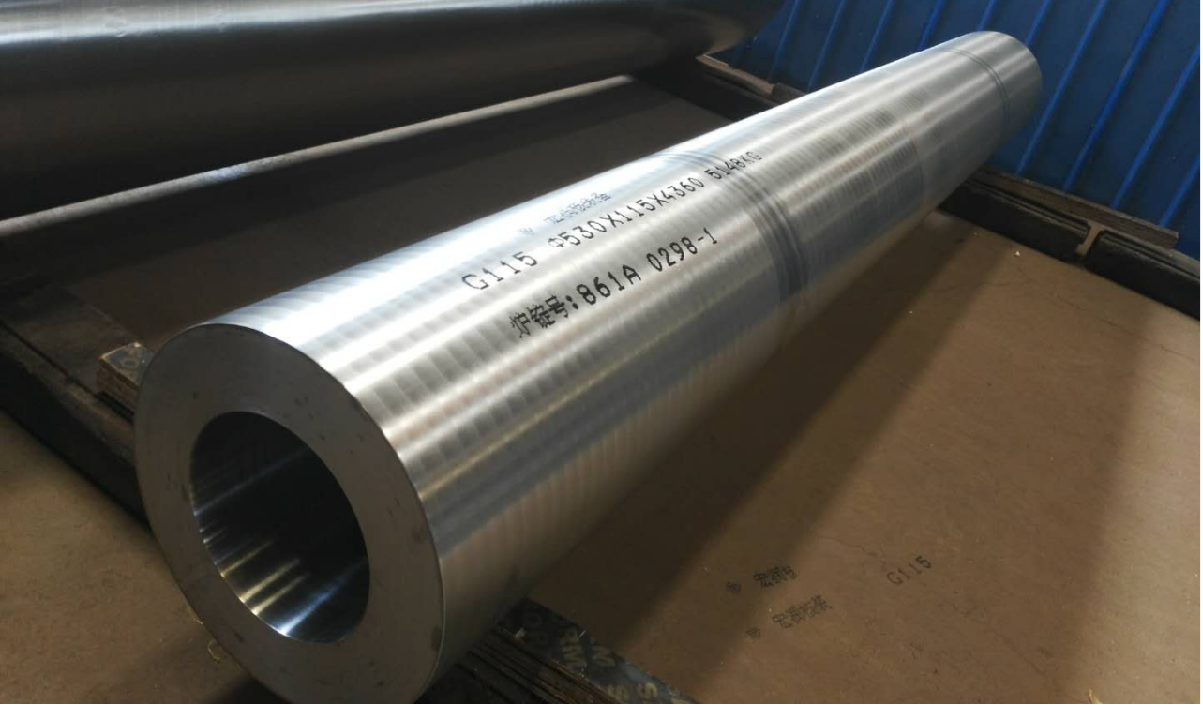
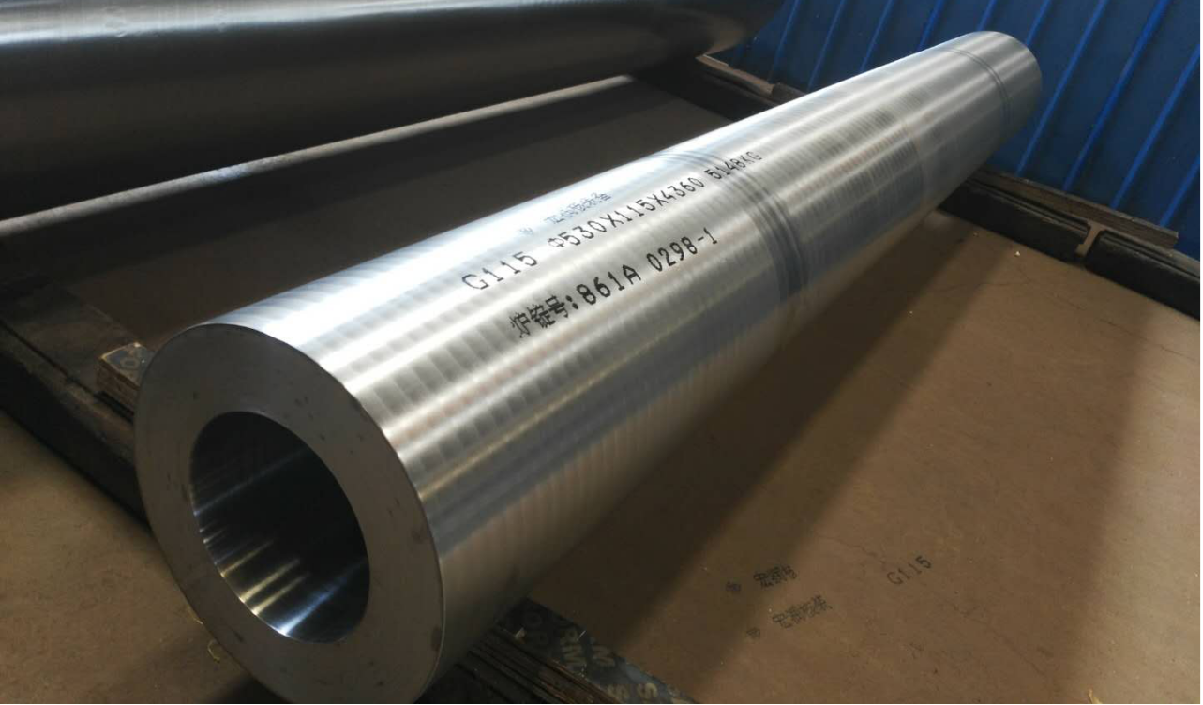
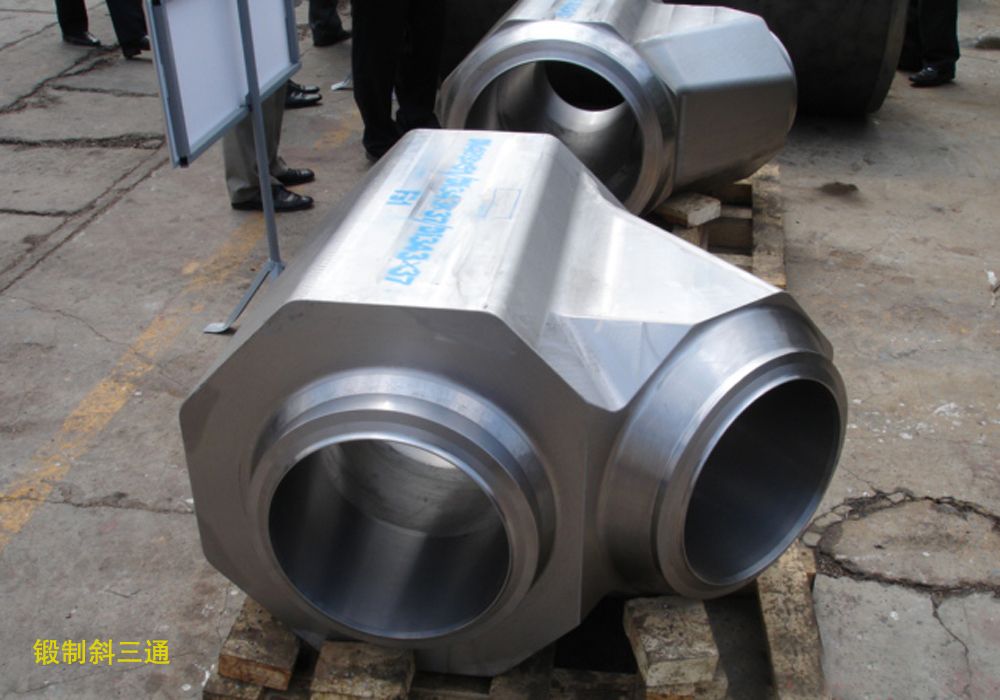
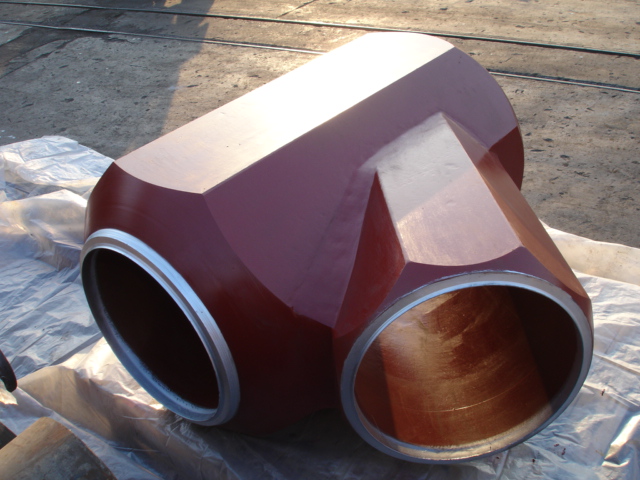
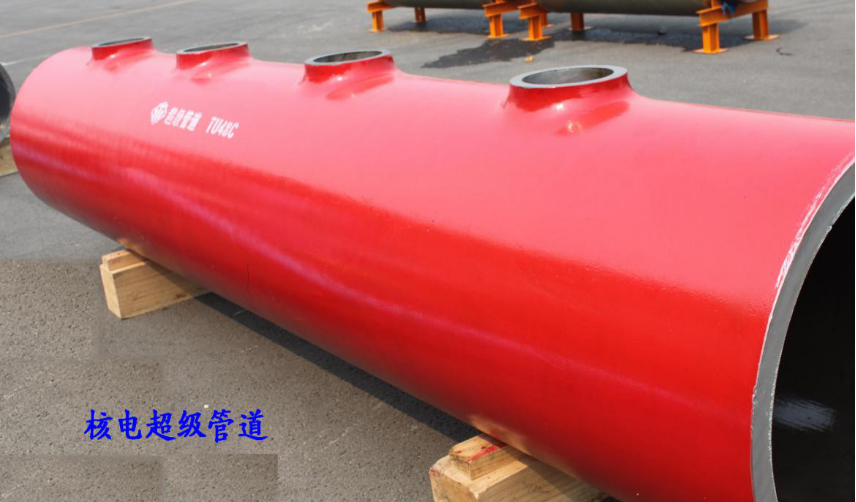
وتقوم المعدات النووية بالتعاون الاستراتيجي والبحث والتطوير مع الشركات المملوكة للدولة ومعاهد البحوث مثل شركة China First Heavy Industries,الصين الثانية للصناعات الثقيلة,أكاديمية الصين للطاقة النووية,معهد بحوث المعادن التابع للأكاديمية الصينية للعلوم, باوستيل الصلب الخاص,أخذ 50000 وحدة البثق العمودي للطن تم تطويرها وتصنيعها بشكل مستقل كمنصة,القيام بنشاط بالمشاريع الوطنية الكبرى والمشاريع الخاصة,تطوير المنتجات المتطورة بقوة مثل الأنابيب الفولاذية من الدرجة النووية,الأنابيب النووية الرئيسية,قذائف المضخة النووية الرئيسية, أنابيب الطاقة النووية الفائقة CAP1400,أنابيب سبائك التيتانيوم,أعمدة الكرنك لمحركات الديزل البحرية الكبيرة,أنابيب الضغط الأولية,وعاء ضغط المفاعل بالقرب من مكونات البثق الساخن على شكل شبكة,أبواب صمام البثق, وأنابيب الصلب G115 الراقية,قذائف المضخة النووية الرئيسية,أعمدة الكرنك S90 وغيرها من المنتجات الجديدة. المعيار والمواد الرئيسية تشمل TP316L, TP316H; SA335 P11, P22,P91,P92, إلخ; SA-508Gr3.C1.1; P280GH وغيرها من الأنابيب والتجهيزات الفولاذية من الدرجة النووية.
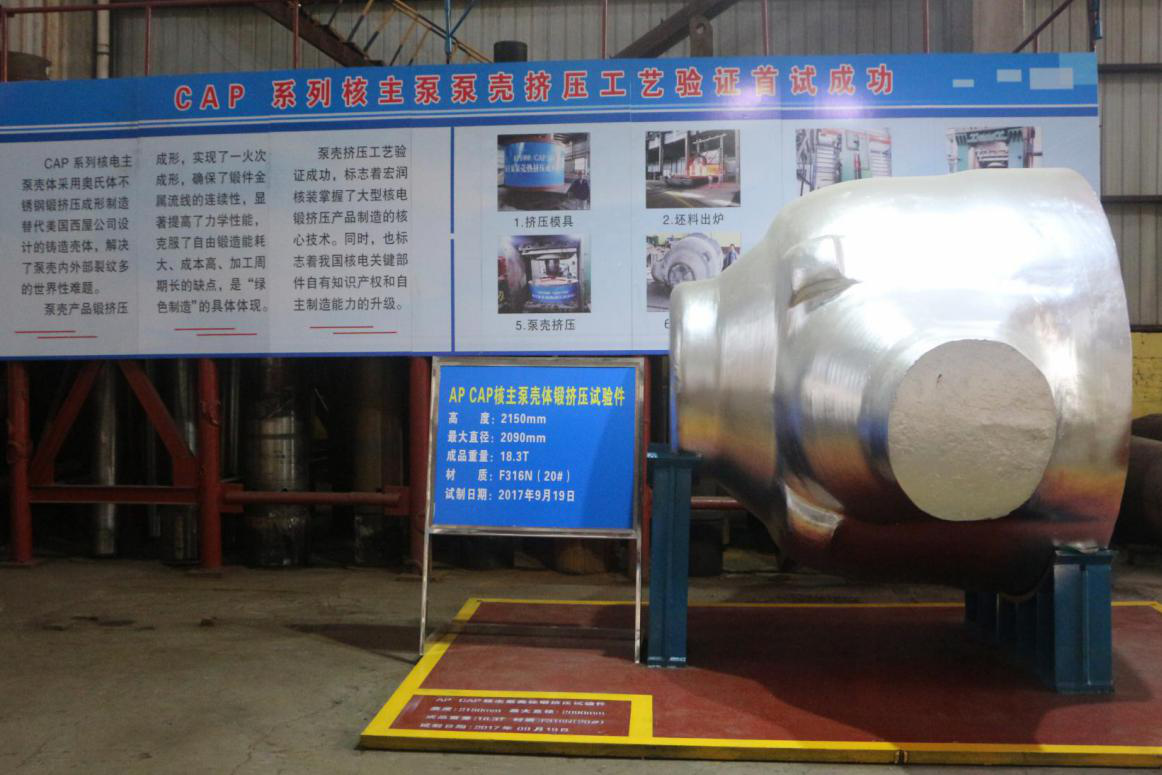
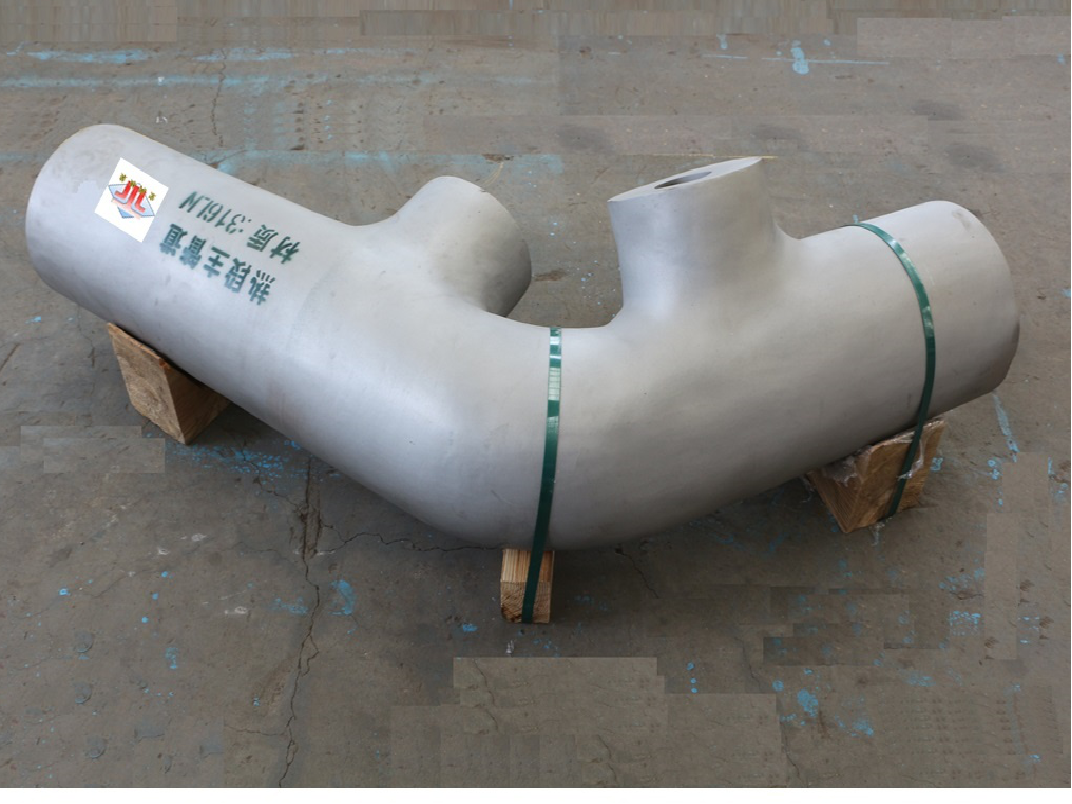
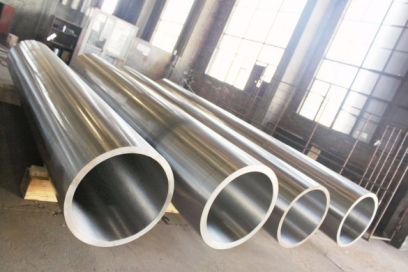
-1.png "main steam and main water supply system pipe(φ1067、L=12m)")
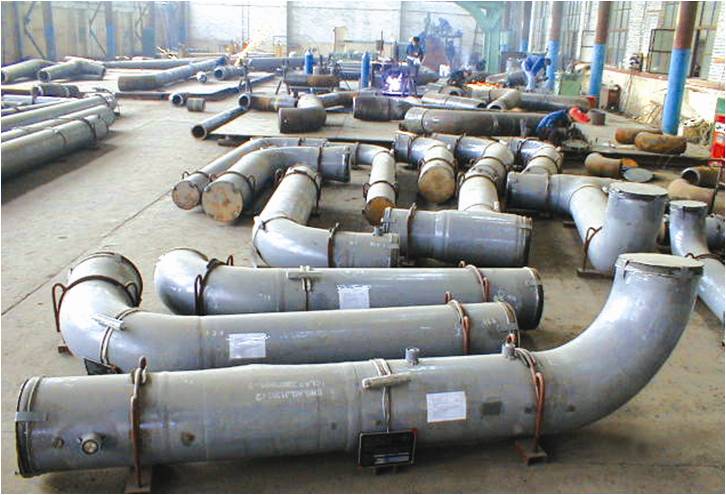
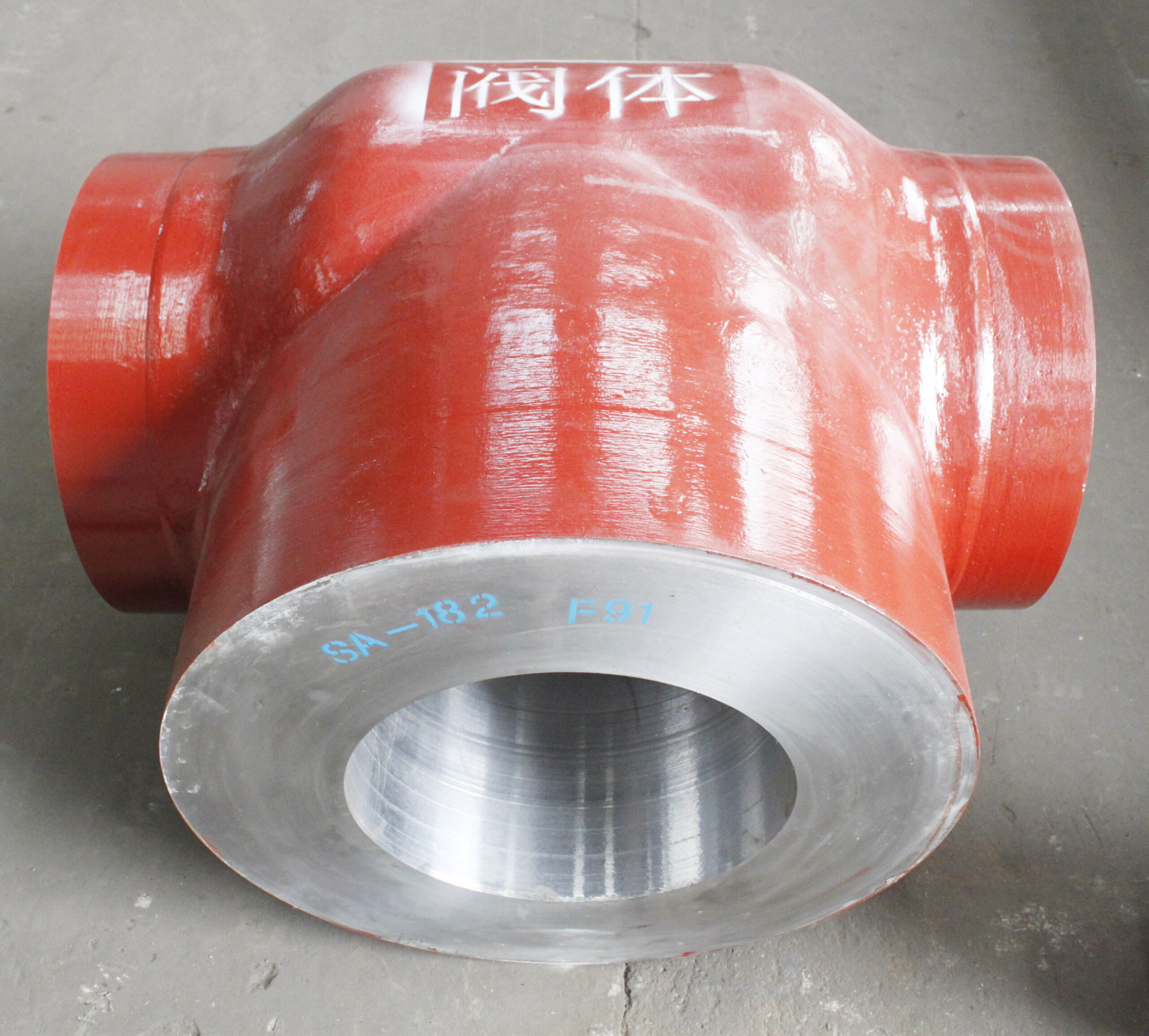
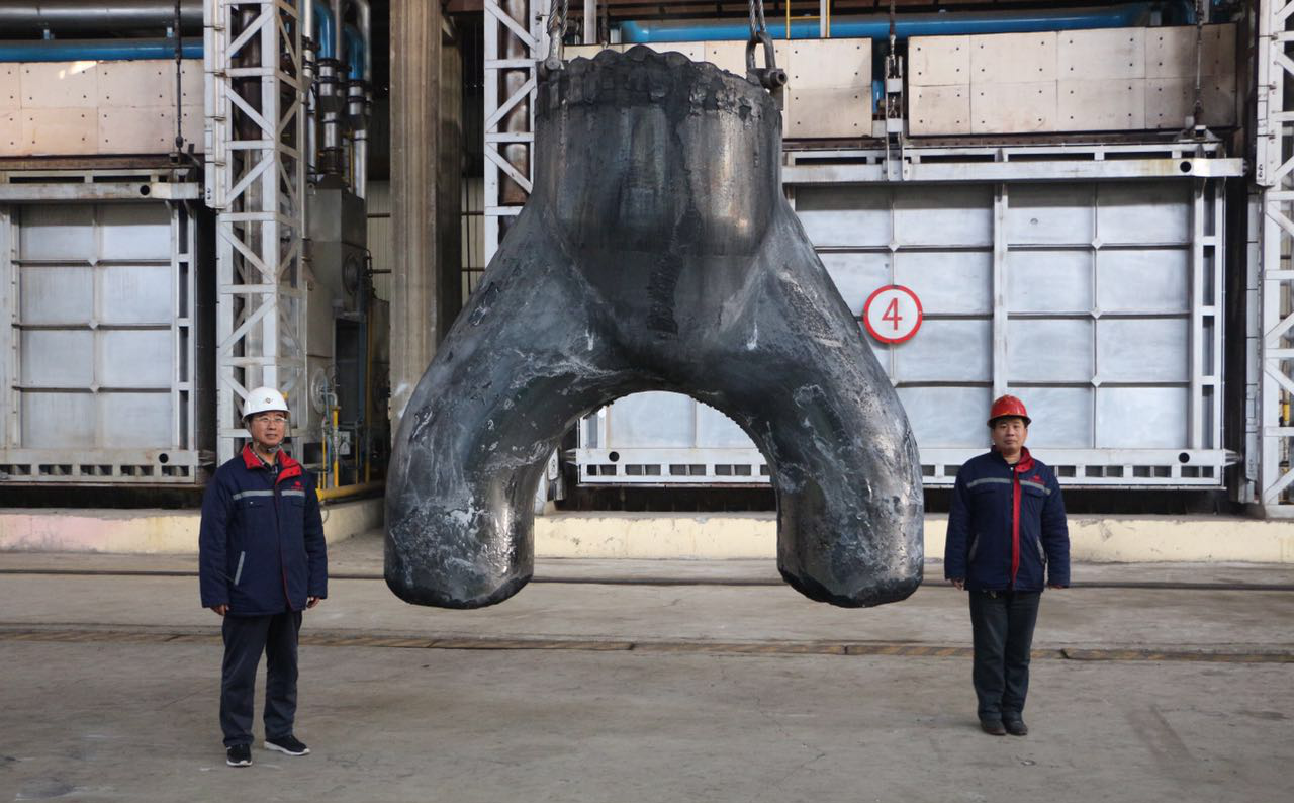
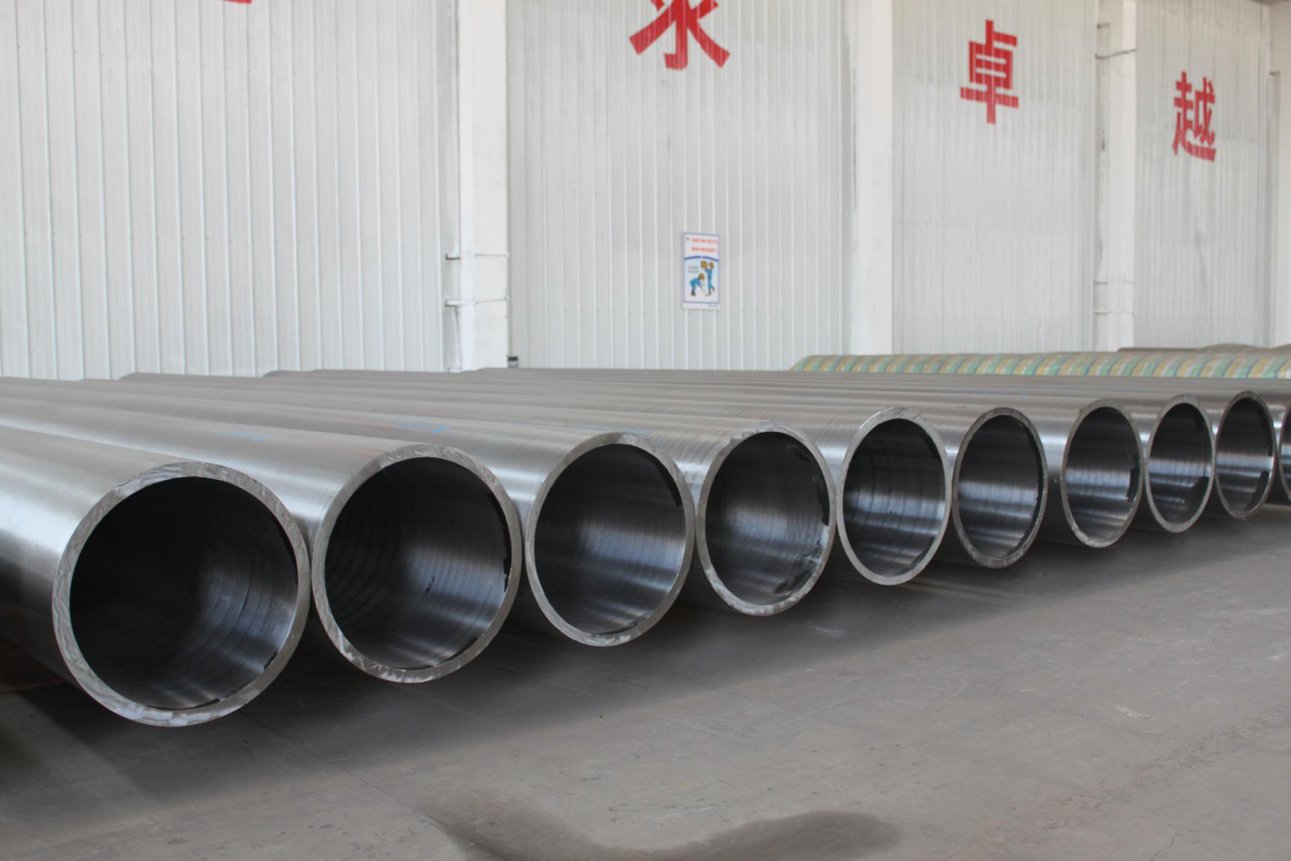
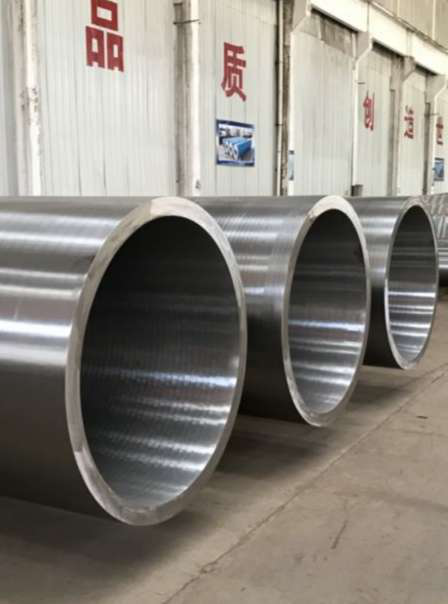
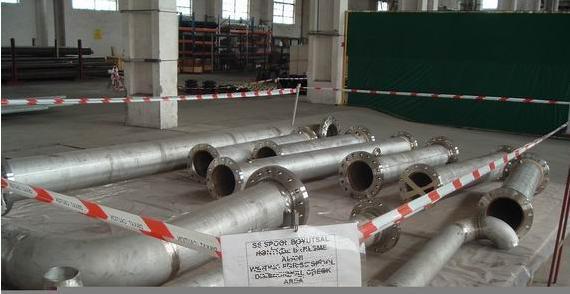
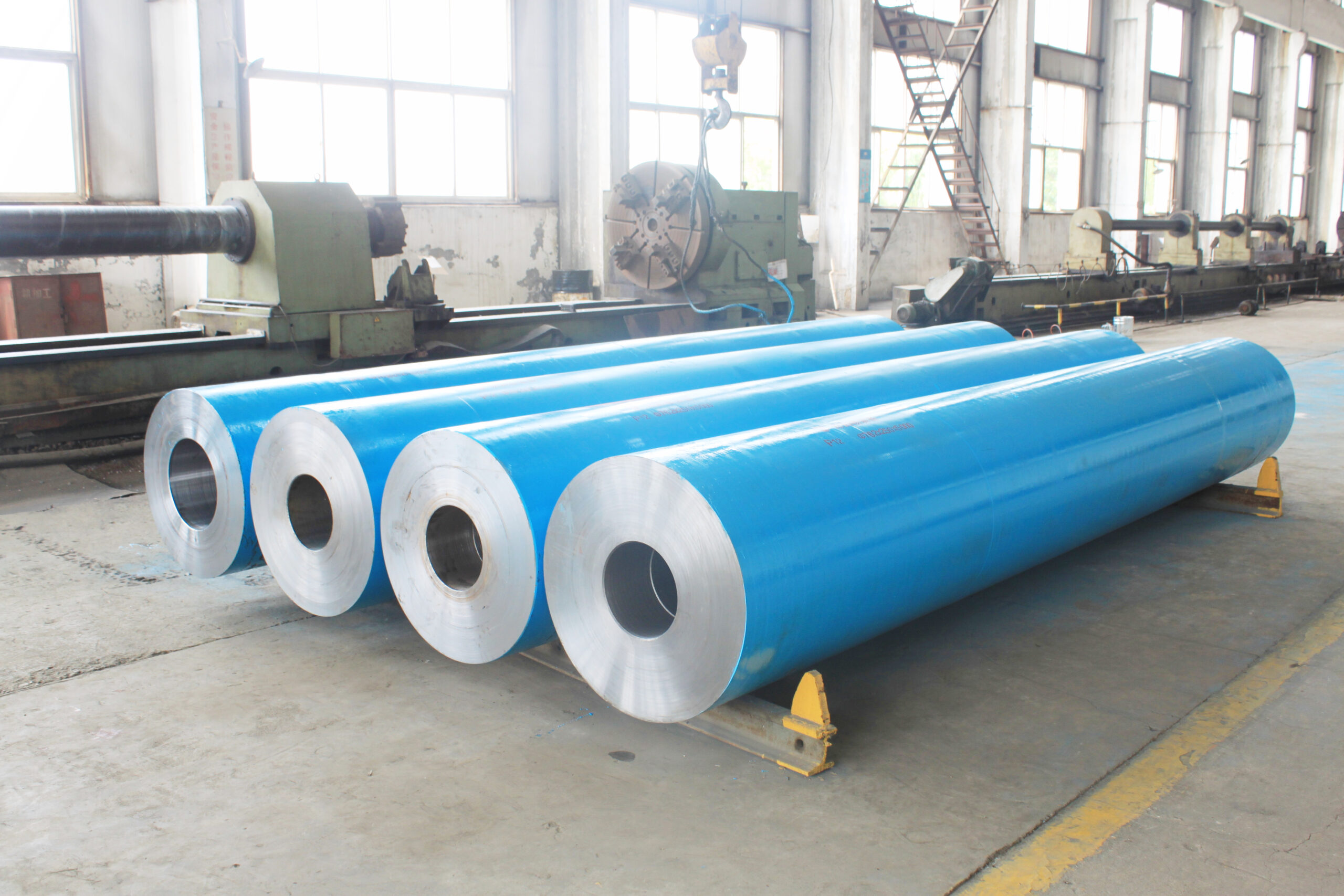
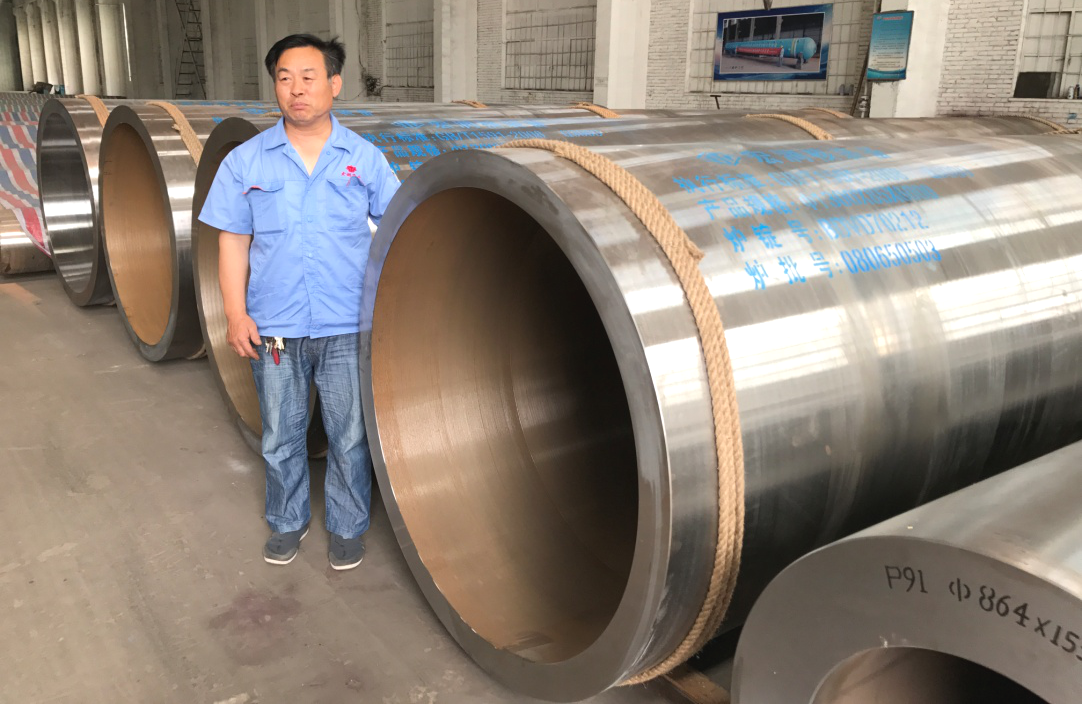
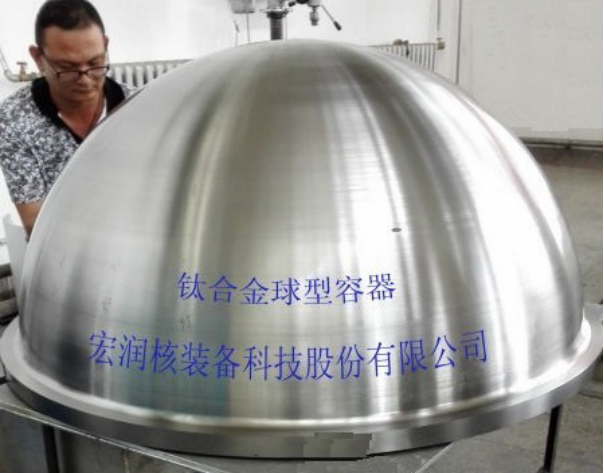
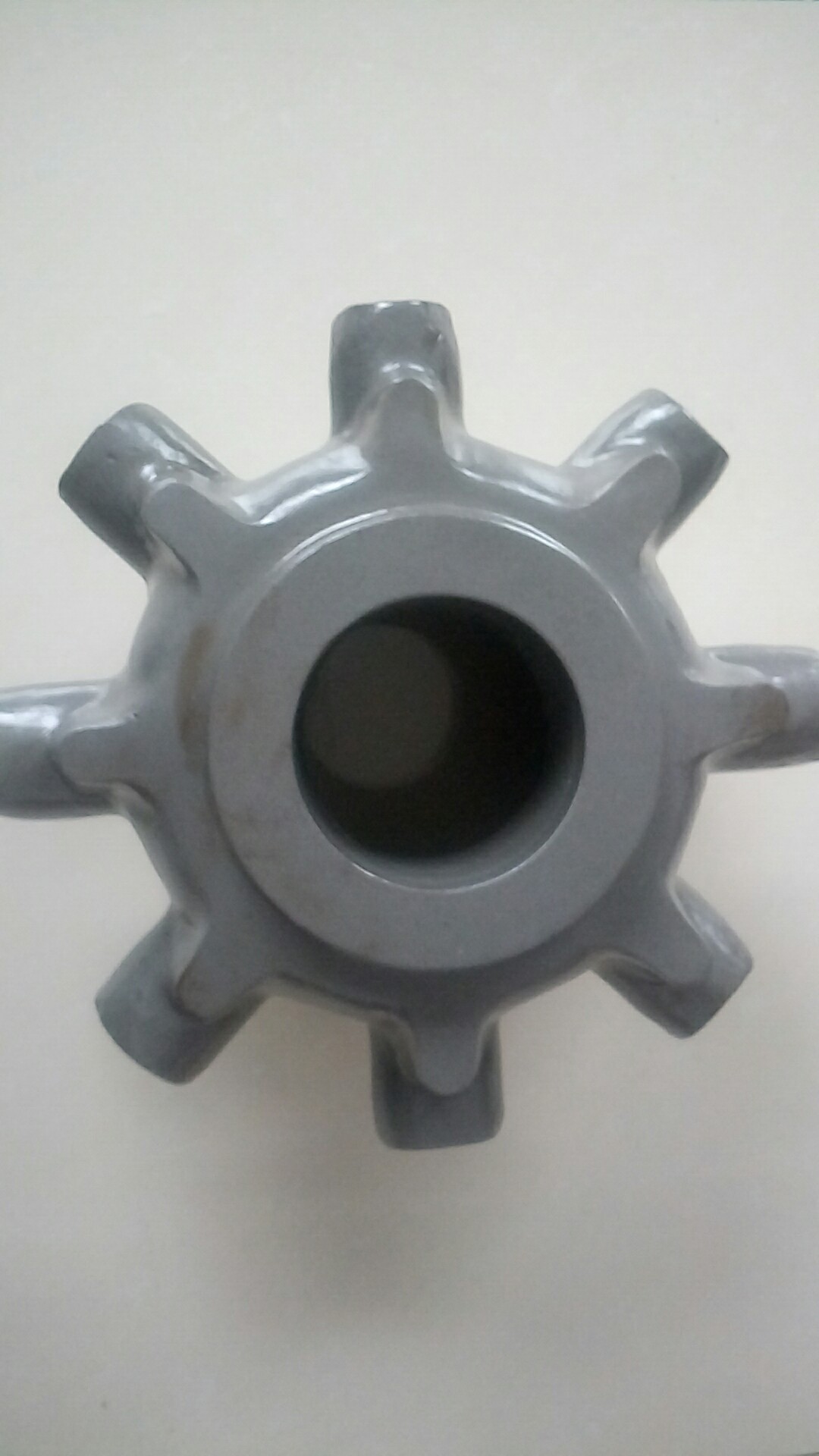
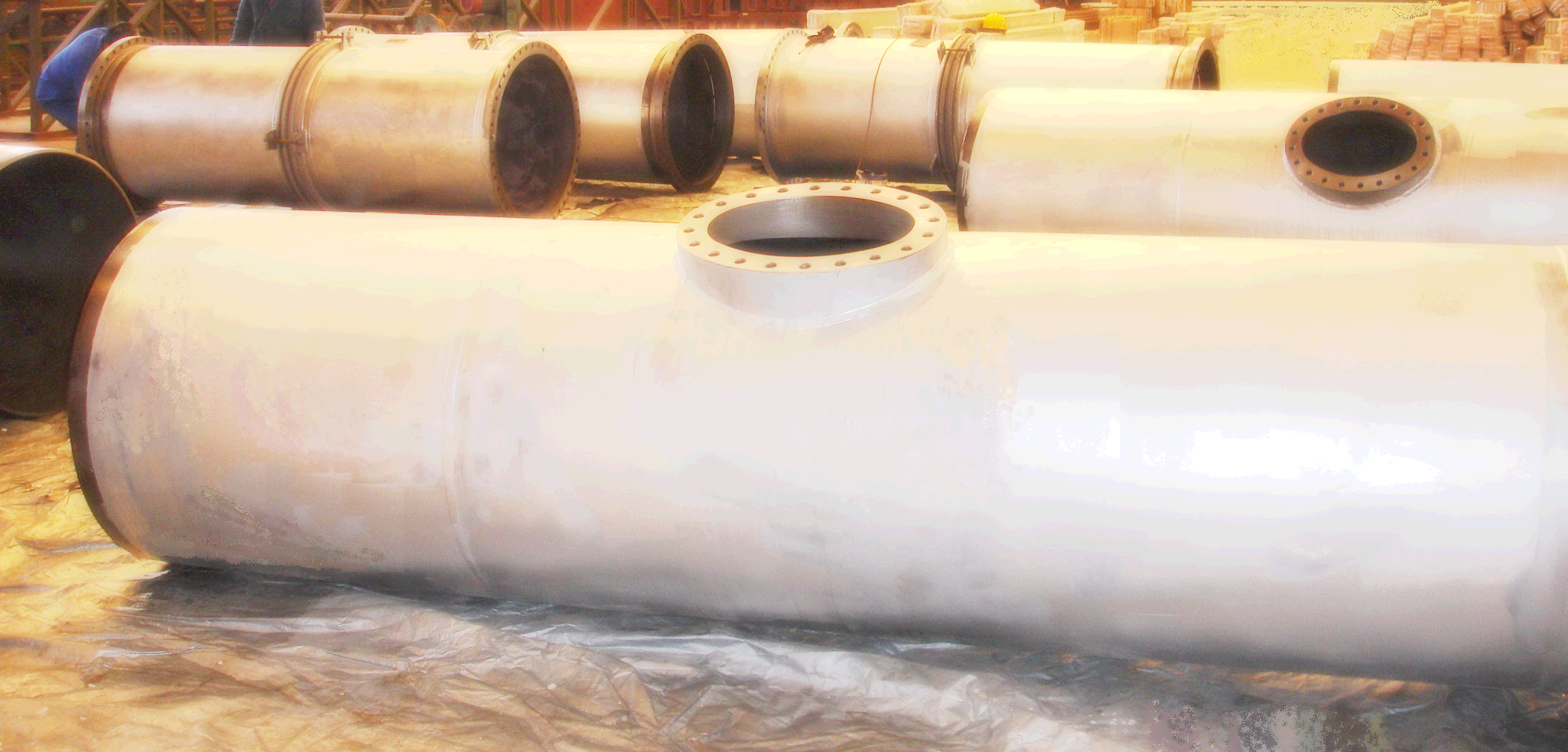
مفهوم "قوة" في الصناعة النووية غالبا ما يساء فهمها على أنها خاصية ثابتة, رقم في ورقة البيانات. ولكن عندما ننظر إلى النظام البيئي الاستراتيجي الذي شكلته المعدات النووية بالتعاون مع عمالقة مثل شركة China First Heavy Industries, باوستيل الصلب الخاص, ومعهد بحوث المعادن التابع للأكاديمية الصينية للعلوم, نرى أن القوة هي في الواقع نتيجة ديناميكية لرحلة معدنية معقدة. This isn't just a manufacturing story; إنه استكشاف لكيفية تعاملنا مع البنية الشبكية للمادة لتحمل أكثر البيئات القاسية على الأرض.
وفي قلب هذه الحركة التكنولوجية بأكملها توجد وحدة البثق العمودي بوزن 50000 طن. لفهم منتجاتنا, يجب على المرء أولاً أن يفهم فيزياء هذه المنصة. معظم المكونات الصناعية مزورة أو ملفوفة, العمليات التي غالبا ما تترك وراءها "طبقات" أو هياكل الحبوب غير متناسقة. ولكن عندما تقوم بإخضاع قطعة من TP316L أو SA-508Gr3.C1.1 إلى 50,000 طن من الضغط العمودي, أنت تجبر المعدن بشكل فعال على التدفق في حالة تشبه السوائل من خلال قالب دقيق. هذا هو "على شكل شبه صافي" قذف الساخن. إنها عملية تحافظ على سلامة المعدن "الفيبر" أو تدفق الحبوب, التأكد من أن الأنبوب النووي الرئيسي النهائي أو الأنبوب الفائق CAP1400 لا يحتوي على نقاط ضعف, لا يوجد طبقات لحام في الهيكل الأساسي, ومستوى التجانس الذي كان يُعتقد سابقًا أنه مستحيل عند هذه المقاييس.
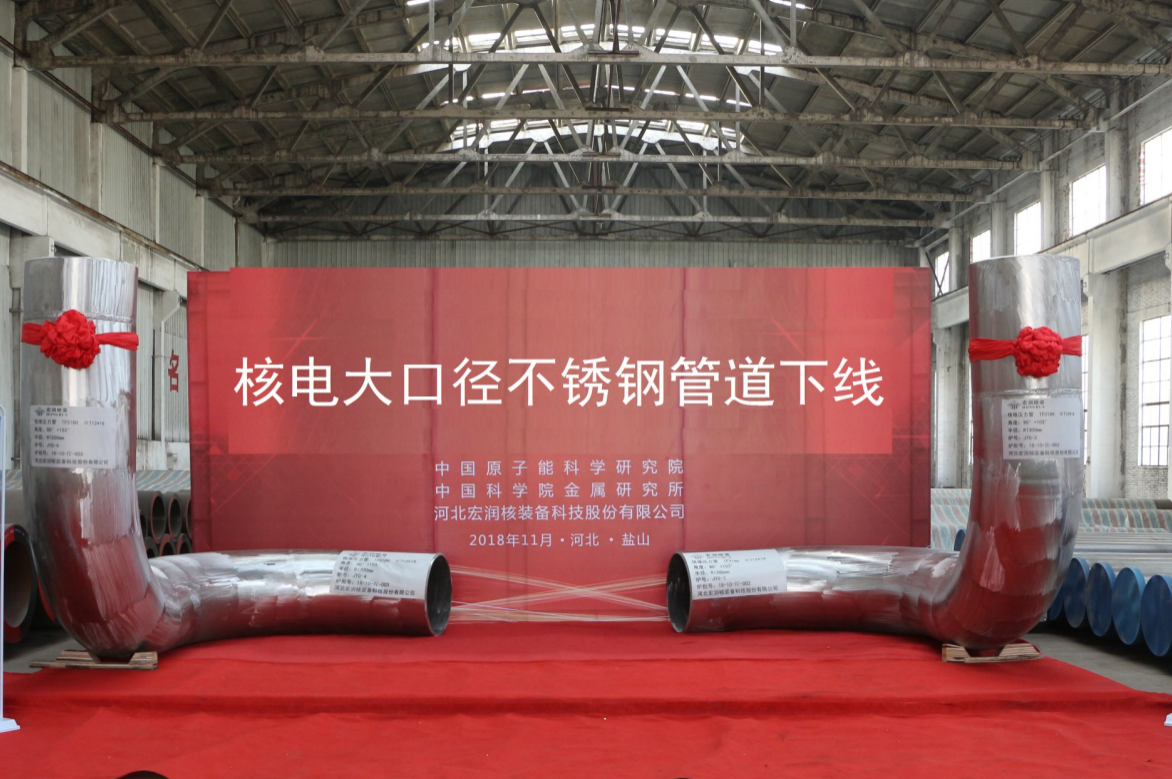
عندما نتحدث عن الأنابيب الفائقة للطاقة النووية CAP1400, we aren't just talking about large tubes. نحن نتحدث عن الشرايين الأساسية لمفاعل الجيل الثالث+. يجب أن تتعامل هذه الأنابيب مع الضغوط الهيدروليكية الحرارية الهائلة لمفاعل الماء المضغوط. باستخدام النتوء العمودي, نحن نتخلص من الحاجة إلى اللحامات الطولية. في عالم السلامة النووية, كل سنتيمتر من اللحام هو سنتيمتر يتطلب اختبارًا بالموجات فوق الصوتية والسنتيمتر الذي يمكن أن يؤوي صدعًا بسبب التآكل الإجهادي على مدار دورة حياة مدتها ستين عامًا. من خلال توفير سلس, محلول مقذوف في مواد مثل TP316H أو الفولاذ الحديدي عالي القوة P91/P92, نحن نقوم بشكل أساسي بإزالة ملف "نقاط الضعف" from the reactor's primary coolant loop. وهنا تصبح الشراكة مع أكاديمية الطاقة النووية الصينية أمرًا حيويًا - فهي تضمن أن R&D isn't just happening in a vacuum, ولكنها تتماشى بشكل صارم مع هوامش الأمان والمتطلبات التشغيلية للقرن القادم من الطاقة الخالية من الكربون.
علم المواد هنا عميق. خذ G115, على سبيل المثال. هذا هو الفولاذ المقاوم للحرارة المارتنسيتي المتطور المصمم لدرجات الحرارة التي من شأنها أن تجعل الفولاذ المقاوم للصدأ القياسي يفقد هيكله "ذاكرة." Moving G115 through a 50,000-ton press requires an intimate understanding of the material's TTT (الوقت ودرجة الحرارة والتحول) رسم بياني. إذا انخفضت درجة الحرارة بسرعة كبيرة أثناء البثق, يصبح الهيكل المارتنسيتي هشًا; إذا بقي مرتفعا جدا, حجم الحبوب ينمو بشكل لا يمكن السيطرة عليه, تدمير المتانة. يتيح لنا تعاوننا مع الأكاديمية الصينية للعلوم نمذجة هذه التحولات المرحلية في الوقت الفعلي. نحن في الأساس "ضبط" الفولاذ كما يتم تشكيله. وينتج عن ذلك منتجات مثل أغلفة المضخات النووية الرئيسية وأنابيب الضغط الأولية التي تمتلك مزيجًا نادرًا من قوة الإنتاج العالية وصلابة الكسر العالية.
ثم هناك البعد البحري، وهو أعمدة الكرنك S90 ومكونات محركات الديزل البحرية الكبيرة. يتعرض العمود المرفقي في سفينة ضخمة إلى إجهاد التوائي هائل. يتضمن التصنيع التقليدي معالجة كميات هائلة من المواد من كتلة مطروقة, والذي غالبًا ما يقطع تدفق الحبوب للمعدن. يستخدم نهجنا قوة منصة البثق لضمان أن خطوط الحبوب تتبع محيط الكرنك, يشبه إلى حد كبير حلقات الشجرة التي تتبع نموها. وهذا يخلق جزءًا مقاومًا بشكل طبيعي لبدء تشققات التعب. سواء كان أنبوبًا من سبائك التيتانيوم للبيئات عالية التآكل أو تركيب P280GH لنظام البخار, الفلسفة تبقى كما هي: يجب أن تحترم عملية التصنيع فيزياء المادة.
إدراج SA335 P11, P22, ويمثل P92 في محفظتنا التزامًا تجاه طيف الطاقة بأكمله. هذه هي العمود الفقري لأنابيب الضغط العالي. ولكن حتى أ "القياسية" تصبح المادة شيئًا غير عادي عند معالجتها من خلال وحدة رأسية بوزن 50000 طن. دقة سمك الجدار, تركيز الأنبوب, ونعومة السطح الداخلي - وهو أمر بالغ الأهمية لتقليل الاضطراب والتآكل - كلها تتفوق على طرق الثقب والدحرجة التقليدية. نحن لا نصنع المكونات فقط; نحن نعمل على هندسة موثوقية الشبكة الوطنية.
عندما يقوم العميل بدمج أبواب صمام البثق الخاصة بنا أو مكونات وعاء ضغط المفاعل الخاصة بنا على شكل شبه شبكي في مشروعه, إنهم يستفيدون من محلية, سلسلة توريد عالية التقنية تمتد من الخام الخام إلى الجزء النهائي المصنوع بدقة. نحن نقف على أكتاف العمالقة - الباحثون في شركة China Second Heavy Industries وعلماء المعادن في شركة Baosteel Special Steel - لتقديم منتج متميز. "وُلِدّ" تحت الضغط و "ولدت" من أجل التحمل. هذا هو المعيار الجديد لتصنيع المعدات النووية: حيث القوة المطلقة ل 50,000 طن يلبي الدقة المجهرية لعلوم المواد المتقدمة. نحن ندعوك لاستكشاف شراكة تكون فيها سلامة المعدن ثابتة مثل التزامنا بالسلامة والابتكار.


