
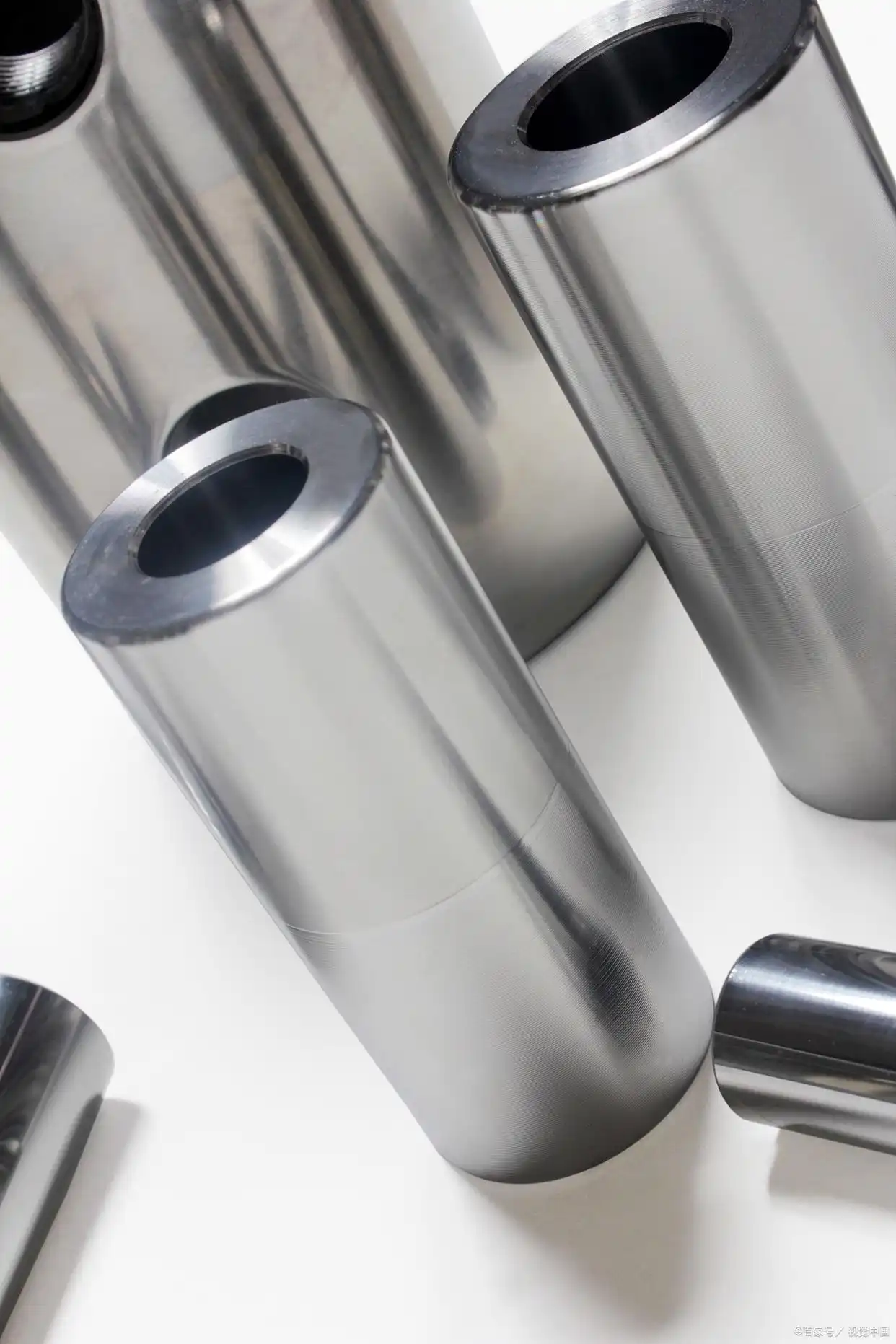
Inconel 601 (US N06601, W.Nr. 2.4851)
Safe Handling & Workplace Safety Guidelines for Nickel-Chromium-Iron Alloy Products
PipaTabungFittingFlensaHigh-Temperature Service
1. Product Identification & Intended Use
nama Produk: Inconel 601 — Seamless & DILAS PIPA, Tabung, PNEUMATIC FITTING, Ditempa flensa, and Fabricated Components.
Nomor UNS: N06601 | W.Nr.: 2.4851 | Komposisi: Nikel (58-63%), kromium (21-25%), Besi (Keseimbangan), Aluminium (1.0-1.7%), dengan elemen jejak termasuk karbon, mangan, Silicon, dan Tembaga.
Intended Applications: High-temperature process equipment, radiant tubes, Penukar Panas, furnace components, thermal processing systems, and chemical/petrochemical service where oxidation resistance up to 2200°F (1200° C) is required. These products are supplied in the solution-annealed condition and are intended for industrial use by trained personnel.
2. Hazard Identification & Exposure Pathways
Under normal conditions of storage and handling, solid Inconel 601 Pipa, Fitting, and flanges do not present acute health hazards. The material is stable, non-flammable, and non-reactive in its finished form. The primary routes of potential exposure arise during secondary fabrication, termasuk pengelasan, thermal cutting, menggiling, permesinan, or mechanical polishing. These operations can generate fine particulate dust or metal oxide fumes that may be inhaled or come into contact with skin and eyes. Inhalation of fumes generated at temperatures exceeding the material’s melting point (approximately 1400°C) may cause metal fume fever, characterized by flu-like symptoms such as chills, fever, nausea, fatigue, muscle ache, and joint pain. These symptoms typically resolve within 24 untuk 48 hours after cessation of exposure. Dust particles may cause mechanical irritation to the eyes, respiratory tract, and abraded skin. The solid alloy itself is not classified as hazardous under GHS (29 CFR 1910.1200) and does not require hazard labeling for the finished product.
3. Komposisi & Occupational Exposure Limits
Inconel 601 contains nickel, kromium, Besi, and aluminum as primary constituents. While the alloy in solid form is inert, airborne particulates generated during processing require adherence to established occupational exposure limits. The following table summarizes relevant exposure limits as defined by OSHA (PEL) and ACGIH (TLV). These values represent the time-weighted average concentration over an 8-hour work shift. Employers are responsible for maintaining workplace exposures below these limits through engineering controls and work practices.
| Element/Component | OSHA PEL (mg/m³) | ACGIH TLV (mg/m³) | Catatan |
|---|---|---|---|
| Nikel (Ni) | 1.0 | 1.5 (inhalable) | Sensitizer; potential skin and respiratory effects |
| kromium (cr, metallic) | 1.0 | 0.5 | Metallic chromium has lower toxicity than hexavalent chromium |
| Besi (Fe) as fume | 10.0 | 5.0 (respirable) | Local irritant; prolonged exposure may cause siderosis |
| Aluminium (Al) as metal dust | 15.0 (total dust) 5.0 (respirable) |
1.0 (respirable) | Mechanical irritant; potential pulmonary effects |
Catatan: The values above apply to airborne particulates. For welded or thermally processed material, metal oxide fumes may contain nickel oxide and chromium oxide, which are subject to the same exposure limits. Routine air monitoring should be conducted where fume generation is anticipated.
4. Engineering Controls & Personal Protective Equipment (PPE)
Engineering controls are the primary means of protecting workers from exposure to dust and fumes. Local exhaust ventilation (LEV) systems should be employed at the point of operation—such as welding stations, grinding benches, and saw cutting areas—to capture airborne contaminants at their source. Where LEV is not sufficient or during temporary operations, respiratory protection is required. For general machining or handling of solid pipe and fittings without significant dust generation, basic shop ventilation is typically adequate. The following PPE is recommended based on the type of operation:
Respiratory Protection: When airborne dust or fume concentrations exceed permissible limits, use a NIOSH-approved respirator. For welding or plasma cutting operations, use a half-face or full-face respirator with particulate filters (N95, N100, or P100) or a powered air-purifying respirator (PAPR) depending on exposure assessment. For confined space work involving welding, supplied-air respirators may be necessary.
Eye Protection: Safety glasses with side shields are required for all handling, Pemotongan, and grinding operations. untuk pengelasan, use a welding helmet with appropriate shade lens to protect against ultraviolet radiation and flying debris.
Skin Protection: Wear impermeable gloves (leather, nitril, or Kevlar blends) to prevent mechanical abrasion and contact with dust. Long-sleeved work shirts and protective aprons are recommended during grinding or polishing. Wash hands thoroughly before eating, drinking, or smoking.
Hygiene Practices: Do not use compressed air to clean dust from clothing or skin, as this resuspends particulates. Vacuum dust using HEPA-filtered equipment. Maintain good housekeeping to prevent accumulation of fine metal turnings or dust, which may pose a fire hazard when finely divided.
5. Safe Handling, penyimpanan & Fabrication Practices
Inconel 601 Pipa, Tabung, and fittings are supplied in stable solid form and require no special storage beyond a clean, dry area. Avoid prolonged exposure to moisture or corrosive atmospheres to preserve surface condition. When cutting or welding, the following precautions are critical: (1) Ensure adequate ventilation—preferably local exhaust—to capture welding fume. (2) Use appropriate welding procedures for nickel alloys, including proper shielding gas (typically argon or argon-helium mixtures) to minimize oxide formation. (3) Remove any surface contaminants such as oils, gemuk, or marking compounds before welding, as these may generate hazardous decomposition products. (4) During grinding or abrasive cutting, use wet methods where feasible to suppress dust generation. (5) Collect and dispose of metal chips, turnings, and grinding swarf in accordance with local regulations—do not allow fines to accumulate in areas with potential ignition sources. Although Inconel 601 is not classified as flammable, finely divided dusts can be combustible under certain conditions. Avoid creating dust clouds and eliminate ignition sources in areas where fine particles are generated.
6. First Aid Measures & Emergency Response
Inhalation: If a worker experiences symptoms of metal fume fever (chills, fever, cough) following welding or thermal processing, remove the individual to fresh air immediately. Keep the person warm and at rest. Seek medical evaluation if symptoms persist beyond 24 hours or if respiratory distress develops.
Skin Contact: Wash affected area with soap and lukewarm water. Remove contaminated clothing. If irritation develops, seek medical advice.
Eye Contact: Flush eyes with copious amounts of lukewarm water for at least 15 menit, lifting upper and lower eyelids. If irritation persists, consult an ophthalmologist.
Ingestion: Solid forms of Inconel 601 are not considered toxic by ingestion; namun, if dust or small particles are swallowed, rinse mouth with water. Do not induce vomiting unless directed by medical personnel. Seek medical attention if discomfort occurs.
Firefighting Measures: The solid material is not flammable. For fires involving other combustible materials in the vicinity, use extinguishing media appropriate to the surrounding fire (misalnya, dry chemical, Co₂, or water spray). If fine metal dusts are present, avoid creating dust clouds that could lead to a dust explosion. Firefighters should wear self-contained breathing apparatus (SCBA) and full protective gear when dealing with fires in areas containing metal processing equipment.
7. Pertimbangan Lingkungan & Disposal
Inconel 601 products are durable and corrosion-resistant; they do not leach hazardous constituents under normal service conditions. namun, waste material—including scrap pipe, used fittings, and collected dust—should be managed in accordance with federal, state, and local environmental regulations. Scrap nickel-chromium alloys are often recyclable; consult with a licensed metal recycler for recovery. Do not discharge dust or grinding swarf into drains or waterways. For disposal, characterize waste according to local regulations; the solid material is not classified as hazardous waste under RCRA (Resource Conservation and Recovery Act) in its original form, but processing residues should be evaluated based on site-specific conditions.
Disclaimer: The information provided is based on current knowledge and is intended for guidance only. Aber Steel PERUSAHAAN assumes no liability for the use of this information in specific workplace applications. Users are responsible for determining the suitability of these recommendations for their operations and for compliance with applicable health and safety regulations.
Kamu harus login untuk mengirim komentar.