
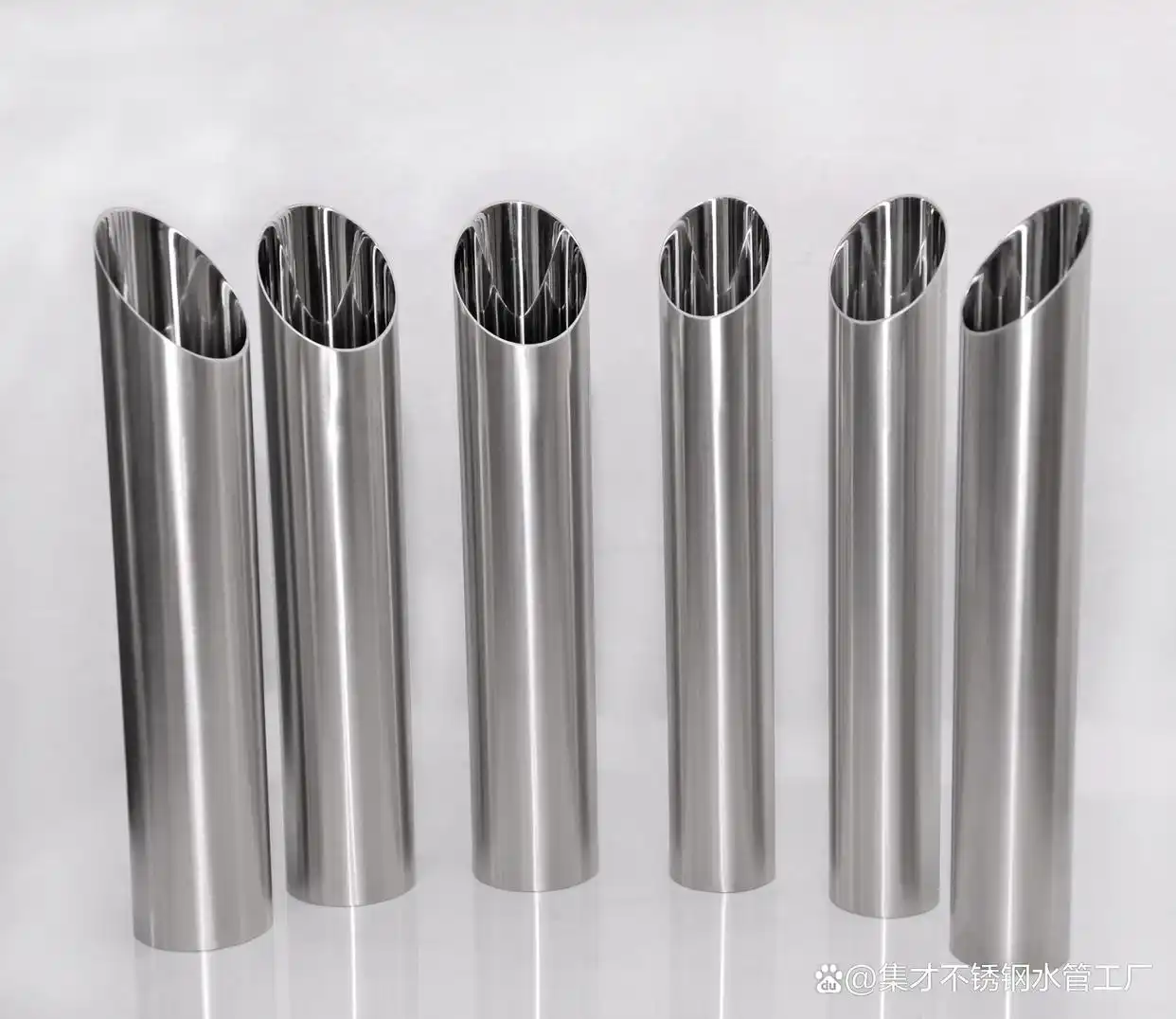
1. từ DIN 11850 hai MỘT 10357
Trong việc thực hiện các hệ thống quy trình công nghiệp có độ tinh khiết cao, việc tích hợp các thành phần cấu trúc để loại bỏ con đường tích tụ vi khuẩn là bắt buộc. Trong nhiều thập kỷ, tiêu chuẩn công nghiệp Đức DIN 11850 đóng vai trò là khung kỹ thuật thống trị trên khắp lục địa châu Âu, xác định các điều kiện giao hàng kỹ thuật, dung sai không gian, và kích thước hình học cho các ống thép không gỉ liền mạch và hàn được sử dụng trong thực phẩm, Sữa, Hóa chất, và cơ sở chế biến dược phẩm.
Để loại bỏ các rào cản thương mại khu vực và thống nhất các tiêu chuẩn sản xuất vệ sinh cụ thể của từng quốc gia rải rác thành một khung pháp lý chung của Châu Âu, Ủy ban Tiêu chuẩn hóa Châu Âu chính thức ban hành VI 10357 vào đầu 2014. Tiêu chuẩn Châu Âu này đã hài hòa thành công các điều kiện tiên quyết về kỹ thuật đối với đường ống hợp vệ sinh trên tất cả các quốc gia thành viên của Liên minh Châu Âu, thiết lập một đường cơ sở tiêu chuẩn hóa cho kiến trúc xử lý chất lỏng.
Lưu ý kỹ thuật chiến lược: Mặc dù EN 10357 đóng vai trò là người kế thừa hợp pháp chính thức cho DIN 11850, hệ thống kế thừa cấu trúc và thông số kỹ thuật mua sắm hiện tại thường đề cập đến kích thước DIN. Do đó, dây chuyền sản xuất hiện đại phải hoạt động hoàn toàn phù hợp với cả hai tiêu chuẩn, duy trì các lớp con thứ nguyên để phù hợp với các giao thức kỹ thuật khu vực.
Trong kỹ thuật bố trí hợp vệ sinh, phải có sự phân biệt rõ ràng giữa các đường ống dành cho quy trình vệ sinh chung (Đồ ăn và đồ uống) và những thiết bị được thiết kế cho vô trùng nghiêm ngặt, ứng dụng vô trùng (công nghệ sinh học và dược phẩm). Trong khi din 11850 và EN 10357 tập trung chủ yếu vào thông số ống vệ sinh, các phụ kiện phù hợp, công đoàn, và ma trận thành phần được điều chỉnh bởi các lớp tiêu chuẩn riêng biệt.
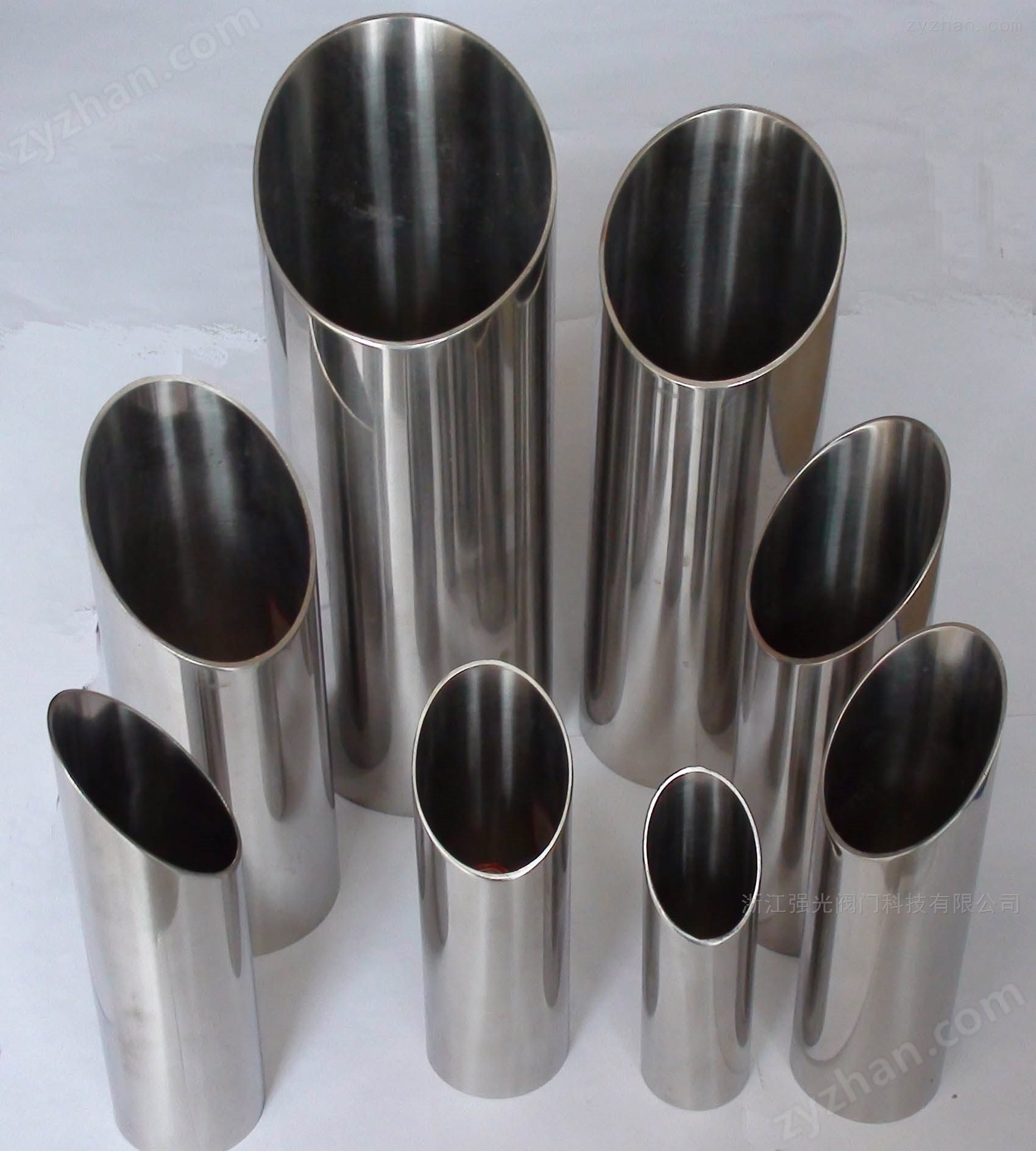
Bàn 1: Ma trận tham chiếu chéo châu Âu cho ống, CÁC PHỤ KIỆN, và phân loại vô trùng
| Danh mục ứng dụng | Kích thước ống & thông số kỹ thuật | CÁC PHỤ KIỆN & Kết nối | Phân khúc ngành mục tiêu |
|---|---|---|---|
| Vệ sinh tiêu chuẩn / vệ sinh | DIN 11850 (Di sản) | DIN 11851 (Hơi say) DIN 11852 (sự hàn) DIN 11853 (Công đoàn vệ sinh) |
Chế biến sữa, Breweries, Nước giải khát, Vận chuyển thực phẩm lỏng, Mỹ phẩm |
| VI 10357 (Định mức hiện tại) | |||
| Vô trùng có độ tinh khiết cao & vô trùng | DIN 11866 | DIN 11864 (Hiệp hội vô trùng) DIN 11865 (Phụ kiện vô trùng) |
Công nghệ sinh học, Thành phần dược phẩm hoạt động (API), công nghệ gen, Chất bán dẫn Mfg |
2. Hình học số liệu, Các phân lớp kết cấu, và hài hòa đa tiêu chuẩn
Để quản lý các kích thước vật lý khác nhau được sử dụng trên các hệ sinh thái công nghiệp toàn cầu riêng biệt, VI 10357 cấu trúc phạm vi của nó thành các lớp con có chiều rất khác biệt. Những chỉ định này cho phép các nhóm kỹ thuật nhanh chóng tham khảo chéo xem lô sản xuất có tuân theo các tiêu chuẩn số liệu truyền thống của Châu Âu hay không, Công ước xử lý sinh học có độ tinh khiết cao của Mỹ, hoặc chỉ số kích thước quốc tế.
- EN 10357-A (Dòng A): Tuân theo các kích thước cũ do DIN quy định ban đầu 11850. Đây là khung số liệu chính được sử dụng cho các nhà máy sản xuất bia và sữa tự động ở Châu Âu.
- EN 10357-C (Dòng C): Được hiệu chỉnh để phù hợp với đường kính ngoài và độ dày thành do ASME BPE của Mỹ quy định (Thiết bị xử lý sinh học) số liệu kích thước, tối ưu hóa dây chuyền lắp ráp mô-đun trượt xuyên lục địa.
- EN 10357-D (Dòng D): Được xây dựng phù hợp trực tiếp với ISO quốc tế 2037 Kích thước, đóng vai trò là tiêu chuẩn cốt lõi cho các hệ thống sử dụng chuỗi cung ứng thành phần toàn cầu thay thế.
Một sai lệch nhỏ về cấu trúc giữa DIN truyền thống 11850 thông số kỹ thuật và EN thống nhất 10357 nằm trong tài liệu chính thức về ranh giới kích thước cho các đường ống đặc biệt lớn. Cụ thể, VI 10357 đưa ra giới hạn dung sai sản xuất chính xác cho $254\text{ mm}$ ống có đường kính ngoài (BÌ 250), một phong bì không gian bên ngoài thiếu sự hoàn chỉnh, đặc điểm kỹ thuật cấu trúc rõ ràng trong văn bản tiêu chuẩn lịch sử của Đức.
Bàn 2: So sánh chiều & Độ lệch cấu trúc
| Thông số đánh giá | DIN 11850 Đặc điểm kỹ thuật | VI 10357 Đặc điểm kỹ thuật |
|---|---|---|
| Cơ sở tham khảo kích thước | Đường kính danh nghĩa theo hệ mét độc quyền (BÌ) liên kết trực tiếp với kích thước milimet cố định. | Khung chia ba bao gồm Số liệu (Dòng A), ASME BPE (Dòng C), và ISO 2037 (Dòng D). |
| Đường Kính Lớn Phong bì ($254\text{ mm}$) | Không được chỉ định rõ ràng / để lại cho thỏa thuận nhà máy cá nhân. | Được tiêu chuẩn hóa chính thức với các giới hạn dung sai kết cấu được xác định tại $\pm 0.4\text{ mm}$. |
| Danh pháp hoàn thiện bề mặt | Sử dụng mã thực thi trực tiếp: CC, đĩa CD, BC, BD. | Kết hợp lớp cấu trúc và mã thực thi: Lớp học 1 (CL1) hoặc Lớp 2 (CL2) + CC/CD/BC/BD. |
| Tiêu chí áp suất bên trong | Chính thức lập bảng phụ cấp thanh tối đa tại $20^\circ\text{C}$ và $150^\circ\text{C}$. | Bị bỏ qua khỏi văn bản tiêu chuẩn chính thức (tuân theo các tiêu chuẩn bình chịu áp lực bên ngoài như EN 13480). |
| Giới hạn ràng buộc độ thẳng | Giống nhau trên cả hai mã: $0.0015 \times \text{Length}$, với giới hạn độ lệch tối đa là $2\text{ mm}$ trên mỗi mét tuyến tính duy nhất. |
3. Đặc tính luyện kim & Ngưỡng thành phần hóa học
Hiệu suất cơ học và khả năng chống ăn mòn của hệ thống vệ sinh phụ thuộc rất nhiều vào cấu hình hợp kim thép chính xác. Vật liệu theo DIN 11850 và EN 10357 phải có nguồn gốc từ các biến thể thép không gỉ austenit cao cấp được tổng hợp theo EN 10088-2 tiêu chuẩn. Các hợp kim chính được sử dụng là 1.4301 (AISI 304), 1.4307 (AISI 304L), và 1.4404 (AISI 316L).
Để giảm thiểu rủi ro ăn mòn giữa các hạt trong vùng chất lỏng được làm nóng hoặc liền kề với các điểm hàn quỹ đạo nhiệt độ cao, các biến thể carbon thấp ($C \le 0.035\%$) được quy định rõ ràng cho 1.4307 và 1.4404 mảng. Hơn nữa, sự bao gồm của molypden ($2.0\% – 3.0\%$) trong vòng 1.4404 công thức đảm bảo khả năng chống chịu tới hạn chống ăn mòn rỗ cục bộ và kẽ hở khi xử lý các dòng quy trình có tính axit, giải pháp làm sạch, hoặc môi trường có độ mặn cao.
Bàn 3: Giới hạn thành phần hóa học có độ chính xác cao (TỐ % theo thánh lễ)
| Mã hợp kim EN | Tương đương AISI. | Carbon (C) | crom (CR) | kền (Ni) | molypden (Mo) | mangan (MN) | silicon (Si) | phốt pho (P) | lưu huỳnh (S) |
|---|---|---|---|---|---|---|---|---|---|
| 1.4301 | 304 | ≤ 0.07 | 17.5 – 19.5 | 8.0 – 10.5 | - | ≤ 2.00 | ≤ 1.00 | ≤ 0.045 | ≤ 0.015 |
| 1.4307 | 304L | ≤ 0.030 | 17.5 – 19.5 | 8.0 – 10.5 | - | ≤ 2.00 | ≤ 1.00 | ≤ 0.045 | ≤ 0.015 |
| 1.4404 | 316L | ≤ 0.030 | 16.5 – 18.5 | 10.0 – 13.0 | 2.00 – 2.50 | ≤ 2.00 | ≤ 1.00 | ≤ 0.045 | ≤ 0.015 |
4. Tính chất bền kéo & Ranh giới hiệu suất cơ học
Ống vệ sinh phải có sự cân bằng mạnh mẽ giữa giới hạn độ bền kéo cấu trúc cao và độ dẻo vật liệu vượt trội. Cấu hình này cho phép các dây chuyền hấp thụ sốc nhiệt một cách an toàn từ các quy trình làm sạch tuần tự mà không bị nứt hoặc gặp hư hỏng cấu trúc.
Xác minh cơ học, được điều chỉnh bởi các thông số thử nghiệm được nêu trong ASME SA270 và EN 10217-7, yêu cầu tất cả các thành phần cấu trúc phải trải qua một giải pháp ủ nhiệt được kiểm soát. Làm nóng giữa $1040^\circ\text{C}$ và $1100^\circ\text{C}$ tiếp theo là làm nguội nhanh bằng nước hoặc không khí, cấu trúc vi mô chuyển đổi thành một liên tục, ma trận austenit không từ tính mang lại giá trị độ giãn dài có thể dự đoán được.
Bàn 4: Tính chất cơ học được chứng nhận & Điều kiện ủ giải pháp
| Đặc điểm kỹ thuật vật liệu | Min. Mang lại sức mạnh ($R_{p0.2}$, MPa) |
Độ bền kéo ($R_m$, MPa) |
Min. Kéo dài ($A_5$, %) |
nhiệt độ ủ dung dịch ($^\circ\text{C}$) |
|---|---|---|---|---|
| VI 1.4301 / AISI 304 | 205 | 515 – 720 | 35% | 1040 – 1100 |
| VI 1.4307 / AISI 304L | 170 | 485 – 670 | 35% | 1040 – 1100 |
| VI 1.4401 / AISI 316 | 205 | 515 – 720 | 35% | 1040 – 1100 |
| VI 1.4404 / AISI 316L | 170 | 485 – 670 | 35% | 1040 – 1100 |
5. Nhóm ma trận chiều A: Hồ sơ độ dày tường nhẹ ($1.0\text{ mm}$)
Cấu hình độ dày thành nhẹ được tối ưu hóa để phân phối chất lỏng áp suất thấp hoặc đường cấp liệu trọng lực ở nhiệt độ môi trường trong đó việc giảm trọng lượng hệ thống là rất quan trọng. Các cấu hình này thường được tích hợp vào các khu vực lưu trữ sản phẩm có dung lượng lớn, mạng bỏ qua phân phối, và các ứng dụng thông gió thứ cấp trong các nhà máy sữa tự động.
Bàn 5: Nhóm A (Bức tường ánh sáng) – Định cỡ danh nghĩa & Hằng số khối lượng chính xác
| Chỉ số danh nghĩa (BÌ) | ống OD ($d_e$, mm) | Kể từ khi khoan dung (mm) | Bức tường dày ($s$, mm) | Dung sai WT | Phụ cấp cắt cuối | Khối lượng lý thuyết ($M$, kg/m) |
|---|---|---|---|---|---|---|
| BÌ 10 | 12.0 | ± 0.12 | 1.0 | ± 10% | +3.0 mm / -0.0 | 0.273 |
| BÌ 15 | 18.0 | ± 0.12 | 1.0 | ± 10% | +3.0 mm / -0.0 | 0.423 |
| BÌ 20 | 22.0 | ± 0.12 | 1.0 | ± 10% | +3.0 mm / -0.0 | 0.523 |
| BÌ 25 | 28.0 | ± 0.12 | 1.0 | ± 10% | +3.0 mm / -0.0 | 0.672 |
| BÌ 32 | 34.0 | ± 0.12 | 1.0 | ± 10% | +3.0 mm / -0.0 | 0.821 |
| BÌ 40 | 40.0 | ± 0.12 | 1.0 | ± 10% | +3.0 mm / -0.0 | 0.971 |
| BÌ 50 | 52.0 | ± 0.20 | 1.0 | ± 10% | +3.0 mm / -0.0 | 1.271 |
6. Nhóm ma trận chiều B: Hồ sơ độ dày tường tiêu chuẩn ($1.5\text{ mm} – 2.0\text{ mm}$)
Cấu hình trung gian Nhóm B cân bằng độ bền kết cấu cao với hiệu suất nhẹ. Mặt cắt ngang này xử lý tiêu chuẩn đô thị, Dược phẩm, và áp lực vận hành nhà máy hóa chất, biến nó thành định dạng chiều chính cho các hệ thống xử lý nước, dây chuyền vận chuyển sản phẩm, và cơ cấu tiếp nhận sản phẩm thô nói chung.
Bàn 6: Nhóm B (Tường tiêu chuẩn) – Chỉ số khối lượng và kích thước số liệu hoàn chỉnh
| Chỉ số danh nghĩa (BÌ) | ống OD ($d_e$, mm) | Kể từ khi khoan dung (mm) | Bức tường dày ($s$, mm) | Dung sai WT | Phạm vi chiều dài tuyến tính (m) | Khối lượng lý thuyết ($M$, kg/m) |
|---|---|---|---|---|---|---|
| BÌ 10 | 13.0 | ± 0.30 | 1.5 | ± 10% | 6.00 | 0.431 |
| BÌ 15 | 19.0 | ± 0.30 | 1.5 | ± 10% | 6.00 | 0.655 |
| BÌ 20 | 23.0 | ± 0.30 | 1.5 | ± 10% | 6.00 | 0.805 |
| BÌ 25 | 29.0 | ± 0.30 | 1.5 | ± 10% | 6.00 | 1.030 |
| BÌ 32 | 35.0 | ± 0.30 | 1.5 | ± 10% | 6.00 | 1.255 |
| BÌ 40 | 41.0 | ± 0.30 | 1.5 | ± 10% | 6.00 | 1.480 |
| BÌ 50 | 53.0 | ± 0.30 | 1.5 | ± 10% | 6.00 | 1.931 |
| BÌ 65 | 70.0 | ± 0.30 | 2.0 | ± 10% | 6.00 | 3.400 |
| BÌ 80 | 85.0 | ± 0.30 | 2.0 | ± 10% | 6.00 | 4.150 |
| BÌ 100 | 104.0 | ± 0.30 | 2.0 | ± 10% | 6.00 | 5.101 |
| BÌ 125 | 129.0 | ± 0.40 | 2.0 | ± 10% | 6.00 | 6.350 |
| BÌ 150 | 154.0 | ± 0.40 | 2.0 | ± 10% | 6.00 | 7.601 |
| BÌ 200 | 204.0 | ± 0.40 | 2.0 | ± 10% | 6.00 | 10.100 |
| BÌ 250 | 254.0 | ± 0.40 | 2.0 | ± 10% | 6.00 | 12.601 |
7. Nhóm ma trận chiều C: Hồ sơ độ dày tường nặng ($2.0\text{ mm} – 2.5\text{ mm}$)
Đối với khu xử lý nhiệt độ cao, vòng hơi vô trùng, hoặc đường dây mang hợp chất hóa học có tính ăn mòn cao, dựa vào cấu trúc nhẹ gây ra rủi ro vận hành. Cấu hình thành dày nhóm C mang lại hệ số an toàn áp suất nổ cần thiết cho mảng thanh trùng nhiều giai đoạn, đường bay hơi tốc độ cao, và cơ sở xử lý hóa chất hiện đại.
Bàn 7: Nhóm C (Bức tường nặng) – thông số hình học & Giá trị khối lượng
| Chỉ số danh nghĩa (BÌ) | ống OD ($d_e$, mm) | Kể từ khi khoan dung (mm) | Bức tường dày ($s$, mm) | Dung sai WT | Ràng buộc độ vuông góc cuối | Khối lượng lý thuyết ($M$, kg/m) |
|---|---|---|---|---|---|---|
| BÌ 10 | 14.0 | ± 0.30 | 2.0 | ± 10% | ≤ 0.5% của OD | 0.601 |
| BÌ 15 | 20.0 | ± 0.30 | 2.0 | ± 10% | ≤ 0.5% của OD | 0.901 |
| BÌ 20 | 24.0 | ± 0.30 | 2.0 | ± 10% | ≤ 0.5% của OD | 1.102 |
| BÌ 25 | 30.0 | ± 0.30 | 2.0 | ± 10% | ≤ 0.5% của OD | 1.402 |
| BÌ 32 | 36.0 | ± 0.30 | 2.0 | ± 10% | ≤ 0.5% của OD | 1.703 |
| BÌ 40 | 42.0 | ± 0.30 | 2.0 | ± 10% | ≤ 0.5% của OD | 2.003 |
| BÌ 50 | 54.0 | ± 0.30 | 2.0 | ± 10% | ≤ 0.5% của OD | 2.604 |
8. Ngưỡng áp suất thủy tĩnh bên trong & Tính toán kết cấu
Không giống như các quy tắc truyền thống của Đức, VI 10357 không xác định rõ ràng giới hạn áp suất bên trong trong văn bản chính của nó, thay vào đó trì hoãn các quy tắc thiết kế bình chịu áp lực khu vực. tuy nhiên, đảm bảo yếu tố an toàn kết cấu, đội ngũ kỹ thuật dựa vào các công thức cốt lõi được ghi trong DIN 11850 và bảng thông tin AD B1/B9.
Các tính toán công suất kết cấu cơ bản đánh giá một đoạn vỏ hình trụ không có phần cắt bỏ ($P_{max}$), giả sử một 100% mối hàn dọc hiệu quả. Vì thép austenit mềm đi ở nhiệt độ cao hơn, định mức áp suất phải được giảm tới 40% khi vận hành trong điều kiện Khử trùng tại chỗ (Nhâm nhi) điều kiện tại $150^\circ\text{C}$.
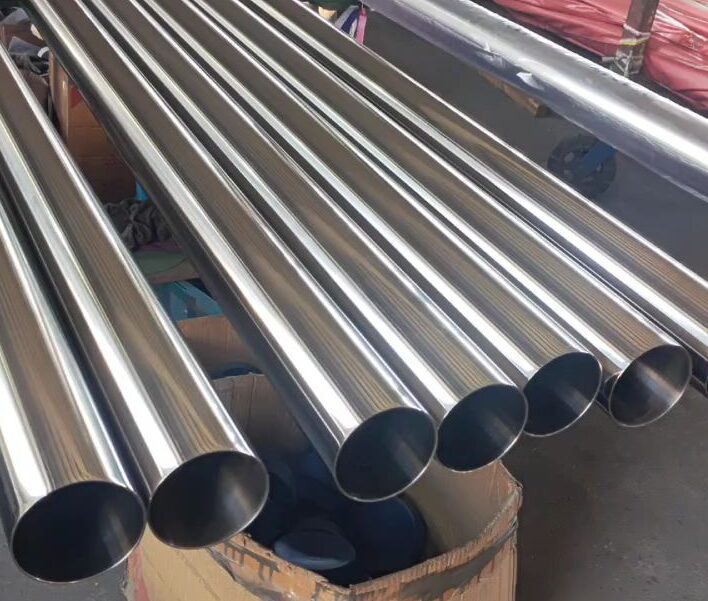
Bàn 8: Giới hạn áp suất làm việc tối đa (thanh) cho 1.4301 Cấu hình hàn
| Mã kích thước DN | 10 | 15 | 20 | 25 | 32 | 40 | 50 | 65 | 80 | 100 | 125 | 150 | 200 |
|---|---|---|---|---|---|---|---|---|---|---|---|---|---|
| Giới hạn tại $20^\circ\text{C}$ (thanh) | 355 | 242 | 200 | 159 | 131 | 112 | 87 | 87 | 72 | 59 | 47 | 39 | 30 |
| Giới hạn tại $150^\circ\text{C}$ (thanh) | 219 | 150 | 124 | 98 | 81 | 69 | 53 | 54 | 44 | 36 | 29 | 24 | 18 |
9. Địa hình hoàn thiện bề mặt bên trong & Hằng số độ nhám vi mô
Duy trì kiểm soát chặt chẽ địa hình bề mặt bên trong là điều cần thiết để ngăn chặn sự phát triển của vi sinh vật hoặc sự bám dính của màng sinh học. Cả hai tiêu chuẩn đều thực thi các giới hạn nghiêm ngặt về Độ nhám trung bình bên trong tối đa cho phép ($R_a$).
Để đảm bảo khả năng làm sạch lặp lại trong quá trình Làm sạch tại chỗ (CIP) quá trình, bề mặt bên trong phải duy trì một $R_a \le 0.8\ \mu\text{m}$. Dành cho ngành dược phẩm có độ tinh khiết cao, yêu cầu hoàn thiện được hạn chế hơn nữa để $R_a \le 0.4\ \mu\text{m}$ hoặc tốt hơn, thường đạt được thông qua quá trình mài mòn cơ học chuyên dụng, sau đó là lớp xử lý đánh bóng bằng điện.
Bàn 9: Chỉ định độ nhám bề mặt, phác đồ điều trị & Giới hạn mục tiêu
| Mã EN | Mã kế thừa | Trạng thái quy trình & Xử lý nhiệt | Nội tạng ($R_a\ \mu\text{m}$) | đường hàn ($R_a\ \mu\text{m}$) | Bề mặt bên ngoài ($R_a\ \mu\text{m}$) |
|---|---|---|---|---|---|
| CL1 TCN | BC | ủ sáng, Đánh bóng cơ học | ≤ 0.80 | ≤ 1.60 | ngâm (≤ 1.60) |
| CL1 BD | BD | ủ sáng, Mặt đất bên ngoài | ≤ 0.80 | ≤ 1.60 | ≤ 1.00 |
| CL1 CC | CC | Không được ủ, Dưa chua sạch | ≤ 0.80 | ≤ 1.60 | ngâm (≤ 1.60) |
| CD CL1 | đĩa CD | Không được ủ, Mặt đất bên ngoài | ≤ 0.80 | ≤ 1.60 | ≤ 1.00 |
| cỏ ba lá | 3Một thông số kỹ thuật | Biến thể được đánh bóng bằng điện có độ tinh khiết cao | ≤ 0.38 | ≤ 0.38 | ≤ 0.80 |
10. Địa hình bề mặt thay thế & Chuyển đổi đánh bóng Grit
Hỗ trợ các bộ phận thu mua đánh giá nguồn cung quốc tế, việc chuyển đổi các chỉ định về độ nhám cơ học thành các giá trị đo lường chính xác là điều cần thiết. Trong khi kích thước hạt đề cập đến mật độ hạt của môi trường mài mòn, tiêu chí chứng nhận chính thức dựa trên các phép đo độ nhám thực tế ($R_a$) để xác minh sự tuân thủ vệ sinh.
Bàn 10: Xử lý mài mòn đến độ nhám Micron / Chuyển đổi micro-inch
| Định dạng hoàn thiện mài mòn | Độ nhám ($R_a$, micro-inch) | Độ nhám ($R_a$, micron) | TIÊU CHUẨN ISO 4287 chỉ định | Lớp sau hoàn thiện đánh bóng bằng điện của Ba Lan |
|---|---|---|---|---|
| 150 Kết thúc nhám | 30 – 35 | 0.75 – 0.875 | N6 | Không áp dụng |
| 150 hạt sạn + Đánh bóng bằng điện | 12 – 20 | 0.30 – 0.50 | N5 | Áp dụng đầy đủ |
| 180 Kết thúc nhám | 20 – 25 | 0.50 – 0.625 | N5 | Không áp dụng |
| 180 hạt sạn + Đánh bóng bằng điện | 10 – 16 | 0.25 – 0.40 | N4 | Áp dụng đầy đủ |
| 240 Kết thúc nhám | 15 – 20 | 0.375 – 0.50 | N5 | Không áp dụng |
| 240 hạt sạn + Đánh bóng bằng điện | 8 – 12 | 0.20 – 0.30 | N4 | Áp dụng đầy đủ |
| 320 Kết thúc nhám | 8 – 12 | 0.20 – 0.30 | N4 | Không áp dụng |
| 320 hạt sạn + Đánh bóng bằng điện | 6 – 12 | 0.15 – 0.30 | Siêu sạch | Áp dụng đầy đủ |
11. Giao thức kiểm soát chất lượng, Phương pháp kiểm tra & Tiêu chuẩn đo lường
Xác minh sự tuân thủ EN 10357 và từ 11850 yêu cầu thử nghiệm không phá hủy và phá hủy nghiêm ngặt. Tính chất cơ học, ma trận hóa học, và các thông số bề mặt phải được xác nhận theo VI 10217-7 Danh mục thử nghiệm 1 (TC1) quy tắc, hoặc Danh mục thử nghiệm 2 (TC2) giao thức trong điều kiện AD-2000-Merkblatt W2.
Kiểm tra độ nhám được thực hiện sau EN ISO CỦA BẠN 4287 và EN ISO CỦA BẠN 4288 giao thức. Thanh tra đo các thông số bề mặt ở cuối ống, chính xác $5\text{ mm}$ từ rìa, đánh giá tối thiểu 1 trong 20 ống từ mỗi nhiệt sản xuất. Đối với hồ sơ mặt đất bên ngoài (Loại CD và BD), phép đo tỷ lệ được tiến hành ít nhất $100\text{ mm}$ từ đầu ống để loại trừ sự biến dạng do đánh bóng cạnh.
Bàn 11: Ma trận ngưỡng kiểm tra kiểm tra QA bắt buộc
| Mục tiêu thử nghiệm | Tiêu chuẩn tham khảo | Phương pháp thủ tục / tiêu chuẩn | Tần suất tối thiểu |
|---|---|---|---|
| Tính toàn vẹn của đường hàn | VI 10217-7 / TRONG ISO 10893-1 | Kiểm tra dòng điện xoáy không phá hủy liên tục hoặc vòng kiểm tra thủy tĩnh. | 100% của lô |
| độ nhám bề mặt ($R_a$) | EN ISO CỦA BẠN 4287 / 4288 | Đã thực hiện đo cấu hình bút stylus $5\text{ mm}$ từ đầu ống qua cả vùng hàn và kim loại gốc bên trong. | 5% độ dài (1:20) |
| Tuân thủ kích thước | VI 10357 / DIN 11850 | Xác nhận đường kính ngoài micromet và quét tường độ dày tường bằng laser. | 100% của lô |
| Biến dạng mối hàn | TRONG ISO 8492 / 8493 | Thử nghiệm độ giãn nở và làm phẳng vòng phá hủy để xác nhận tính linh hoạt khi tạo hình nguội. | Một lần cho mỗi bó nhiệt |
12. Truy xuất nguồn gốc hệ thống, Tiêu chuẩn đánh dấu & Chứng nhận nhà máy
Truy xuất nguồn gốc vật liệu hoàn chỉnh là nền tảng của kỹ thuật vệ sinh hiện đại phẩm chất đảm bảo. Trong lĩnh vực chế biến có độ tinh khiết cao, theo dõi toàn bộ tài sản đảm bảo rằng mọi khiếm khuyết về nguyên liệu thô đều có thể được cách ly nhanh chóng, Giảm thiểu rủi ro trong chuỗi sản xuất.
Để duy trì tính toàn vẹn của tài liệu, tất cả các đường ống phải có tem rõ ràng của nhà sản xuất, mã tiêu chuẩn, Kích thước, đặc điểm bề mặt, và nhiệt lượng riêng của vật liệu. Hơn nữa, việc giao hàng phải có giấy chứng nhận VI 10204 3.1 Báo cáo thử nghiệm vật liệu (Ga tàu điện ngầm), xác nhận thành phần hóa học chính xác và tính chất cơ học.
Bàn 12: Bắt buộc dán tem và xác minh tài liệu
| Tham số đánh dấu bắt buộc | Ví dụ về cú pháp dập | Yêu cầu xác minh |
|---|---|---|
| Theo dõi nguồn gốc | TÊN MILL ĐỨC | Xác định địa điểm và địa điểm sản xuất. |
| Tuân thủ tiêu chuẩn | EN 10357-A / DIN 11850 | Xác nhận khung phân lớp thứ nguyên. |
| Hồ sơ chiều | DN50 $53.0 \times 1.5\text{ mm}$ | Xác nhận đường kính ngoài và độ dày thành. |
| Mã thực thi bề mặt | CL1 BD | Xác thực các tiêu chí lớp độ nhám. |
| Nhận dạng truy xuất nguồn gốc | NHIỆT KHÔNG. H2026X57 | Liên kết quay lại hồ sơ lô cửa hàng tan chảy. |
13. Khả năng tương thích niêm phong đàn hồi & Hồ sơ kháng hóa chất
Xây dựng một hệ thống quy trình vệ sinh đáng tin cậy đòi hỏi phải lựa chọn các miếng đệm đàn hồi tương thích để bịt kín các khớp nối, đoàn các loại hạt, và ferrules Tri-Clamp. Hợp chất đàn hồi không phù hợp có thể bị phân hủy nhanh chóng khi tiếp xúc với hóa chất mạnh của sản phẩm hoặc quy trình Làm sạch tại chỗ khắc nghiệt. (CIP) giải pháp.
ví dụ, Cao su Nitrile tiêu chuẩn (NBR) hiển thị sức đề kháng hạn chế khi phải chịu chu trình dung dịch kiềm nóng nồng độ cao hoặc đường hơi hoạt động. Ngược lại, polyme cao cấp như Ethylene Propylene Diene Monomer (EPDM) hoặc Polytetrafluoroetylen (PTFE) duy trì tính toàn vẹn của vật liệu trong môi trường khử trùng mạnh, ngăn chặn sự xuống cấp của phốt và ô nhiễm chất lỏng trong quá trình.
Bàn 13: Xếp hạng toàn diện về khả năng kháng hóa chất và sản phẩm cho các hợp chất đàn hồi
| Loại phương tiện hoặc luồng quy trình | NBR | HNBR | EPDM | Silicon (Q) | FPM (Viton) | PTFE (Teflon) |
|---|---|---|---|---|---|---|
| Sữa tiêu chuẩn (Sữa, Kem) | 3 | 3-4 | 3-4 | 3-4 | - | 4 (Cao) |
| Các loại sữa chua được nuôi cấy | 3 | 3-4 | 3-4 | 3-4 | - | 4 (Cao) |
| Suối nhà máy bia (Bia, hoa bia) | 3 | 3-4 | 3-4 | 1-2 | 2-3 | 4 (Cao) |
| Chế biến rượu và men | 3 | 3-4 | 4 | 4 | 2-3 | 4 (Cao) |
| Động vật & Chất béo thực vật (để $100^\circ\text{C}$) | 3 | 4 | 1-2 | 3 | 4 | 4 (Cao) |
| Nước xử lý nóng / Hơi nước (để $130^\circ\text{C}$) | 1 (Thất bại) | 4 | 4 | 2 | - | 4 (Cao) |
| Axit không oxy hóa (để $80^\circ\text{C}$) | 1-2 | 2 | 3 | 1-2 | 2 | 3-4 |
| Hỗn hợp dung dịch kiềm yếu (để $100^\circ\text{C}$) | 2 | 3-4 | 4 | 2 | 2 | 4 (Cao) |
| Chất tẩy rửa ăn mòn CIP đậm đặc | 1 (Thất bại) | 2-3 | 3 | 1 | 1 | 4 (Cao) |
* Lưu ý: Các giá trị chỉ mục hiệu suất được biên soạn theo ISO R toàn cầu 1629 quy tắc phân loại cao su. (Chìa khóa: 4 = Tính thích hợp cao; 3 = Sự phù hợp bình thường; 2 = Sự phù hợp có giới hạn; 1 = Không phù hợp).
14. Khu vực hình học bên trong & Ma trận chuyển vị thể tích
Tính toán chuyển vị chất lỏng chính xác đòi hỏi phải phân tích đường kính trong chính xác ($d_i$) của đường ống chạy. Bởi vì các thông số độ dày của tường khác nhau giữa các chuỗi kết cấu khác nhau, diện tích mặt cắt ngang bên trong thay đổi đáng kể giữa các lớp nhóm A và nhóm C.
Thiết kế quy trình vệ sinh yêu cầu giảm thiểu lực cản dòng chảy và duy trì điều kiện áp suất tối ưu. Bảng dưới đây phác thảo các diện tích mặt cắt ngang bên trong thực và dung tích chất lỏng tương đối trên các phân đoạn đường kính danh nghĩa tiêu chuẩn chính.
Bàn 14: Ma trận chỉ số năng lực và diện tích mặt cắt nội bộ thực sự
| Chỉ số kích thước (BÌ) | OD tiêu chuẩn (mm) | Lớp tường (mm) | ID thật ($d_i$, mm) | Khu nội bộ ($\text{cm}^2$) | Đơn vị chất lỏng Vol. (L/m) |
|---|---|---|---|---|---|
| BÌ 25 | 29.0 | 1.5 | 26.0 | 5.31 | 0.531 |
| 2.0 | 25.0 | 4.91 | 0.491 | ||
| BÌ 50 | 53.0 | 1.5 | 50.0 | 19.63 | 1.963 |
| 2.0 | 49.0 | 18.86 | 1.886 | ||
| BÌ 100 | 104.0 | 2.0 | 100.0 | 78.54 | 7.854 |
| 2.5 | 99.0 | 76.97 | 7.697 |
15. Thông số kỹ thuật hàn & Vùng bị ảnh hưởng bởi nhiệt (HAZ) Sự an toàn
Để kết nối các đường dây vệ sinh trong khi vẫn giữ cho đường dẫn dòng chảy thông suốt và liền mạch, Hàn TIG quỹ đạo tự động được sử dụng rộng rãi. Đạt được mức cao-phẩm chất khớp yêu cầu quản lý nhiệt đầu vào để ngăn chặn sự kết tủa cacbua crom dọc theo ranh giới hạt.
Quản lý oxy thích hợp bên trong đường ống trong quá trình hàn là rất quan trọng. Sử dụng khí hỗ trợ argon có độ tinh khiết cao ($>99.995\%$) duy trì mức oxy thấp trong buồng thanh lọc, loại bỏ sự đổi màu oxit có thể làm tổn hại lớp bề mặt thụ động và dẫn đến ăn mòn.
Bàn 15: Thông số hàn TIG quỹ đạo & Giao thức bảo vệ thanh lọc
| Thông số hàn | Mục tiêu hoạt động & Cài đặt được kiểm soát | Chỉ số giá trị mục tiêu |
|---|---|---|
| Giới hạn oxy thanh lọc | Nồng độ oxy tối đa cho phép bên trong đường thanh lọc bên trong trước khi bắt đầu chuỗi hồ quang. Ngăn chặn quá trình oxy hóa gốc mối hàn. | ≤ 25 ppm |
| Khí bảo vệ tinh khiết | Thành phần khí đốt và khí hỗ trợ. Phải hoàn toàn không chứa hydrocarbon và hơi ẩm để tránh hiện tượng rỗ trong mối hàn. | 99.995% Argon tối thiểu. |
| Đầu vào nhiệt tuyến tính | Năng lượng cung cấp trên một đơn vị chiều dài trong quá trình hàn. Được kiểm soát để duy trì sự cân bằng cấu trúc vi mô và ngăn chặn sự phát triển của hạt. | 0.5 – 1.2 KJ/mm |
| Giới hạn sai lệch | Chiều cao bước tối đa cho phép giữa các thành ống phù hợp tại mối nối. Ngăn chặn các kẽ hở bên trong có thể bẫy chất lỏng trong quá trình. | ≤ 10% độ dày của tường |
16. Hậu cần tại chỗ, Giao thức lưu trữ & Tiêu chí căn chỉnh cài đặt
Việc duy trì dung sai chính xác và chất lượng bề mặt của ống vệ sinh đòi hỏi phải xử lý vật liệu cẩn thận trong quá trình vận chuyển và bảo quản tại chỗ. Để tránh ô nhiễm điện, hồ sơ thép không gỉ phải được lưu trữ riêng biệt với các thành phần thép carbon.
Ống phải được đỡ bằng dải chèn lót bằng gỗ hoặc giá đỡ có đệm để tránh biến dạng do tải trọng điểm. Ngoài ra, Các đường dây có độ tinh khiết cao phải được lắp đặt với độ dốc ổn định để đảm bảo hiệu suất tự thoát nước hoàn toàn, loại bỏ các vùng chứa chất lỏng có thể ảnh hưởng đến vệ sinh hệ thống.
Bàn 16: Yêu cầu lưu trữ và xử lý tại chỗ
| Giai đoạn xử lý | Thủ tục bắt buộc & Tiêu chí bảo vệ | Chỉ số giới hạn mục tiêu |
|---|---|---|
| Kho lưu trữ | Bảo quản trong nhà trên giá đỡ có đệm, tách khỏi thép cacbon. Giữ chắc chắn các nắp nhựa bảo vệ ở đúng vị trí để loại bỏ bụi trong không khí. | 100% môi trường khô ráo |
| Hậu cần nâng hạ | Sử dụng dây đeo nylon sạch hoặc móc bọc polymer trong quá trình vận chuyển. Không bao giờ sử dụng xích thép trần hoặc xe nâng trực tiếp trên các bó ống không gỉ. | Không ghi điểm bề mặt |
| Căn chỉnh thoát nước | Các đường chạy ngang phải được hướng xuống phía dưới về phía van xả để đảm bảo hệ thống thoát hoàn toàn trong chu trình làm sạch. | Min. độ dốc 1:100 (1%) |
17. Kiểm tra không phá hủy (NDT) & Xác minh tính toàn vẹn luyện kim
Để đảm bảo tuân thủ các tiêu chuẩn nghiêm ngặt quản lý thực phẩm Châu Âu, Sữa, và ma trận sản xuất dược phẩm, mỗi đợt sản xuất của EN 10357 / DIN 11850 các ống phải vượt qua một ma trận nghiêm ngặt của các bài kiểm tra không phá hủy nội bộ. Các quy trình này đảm bảo độ bền của cấu trúc dưới ứng suất nhiệt theo chu kỳ và loại bỏ nguy cơ rò rỉ lỗ kim ở áp suất quy trình cao.
Phương pháp chính được triển khai nội tuyến là 100% kiểm tra dòng điện xoáy tự động tuân thủ đầy đủ EN ISO 10893-1 hoặc EN ISO 10893-2. Hệ thống kiểm tra điện từ này nhanh chóng đánh giá tính liên tục của cả nền kim loại gốc và đường hàn tổng hợp tự sinh, cách ly vết nứt tường dọc vi mô, tạp chất xỉ, hoặc các túi khí bên trong mà mắt thường không nhìn thấy được.
Bàn 17: Ma trận kiểm tra chất lượng bắt buộc và điểm chuẩn chấp nhận
| Danh mục thử nghiệm | Phương pháp thử nghiệm & Quy định tham khảo | Tiêu chuẩn chấp nhận bắt buộc |
|---|---|---|
| Phát hiện lỗ hổng dòng điện xoáy | Đánh giá điện từ nội tuyến liên tục nhắm mục tiêu tính toàn vẹn của dải gốc và vùng mối hàn theo EN ISO 10893-2. | Độ lệch tín hiệu bằng không (Không có vết nứt) |
| Làm phẳng mối hàn cơ khí | Đánh giá tính phá hủy thông qua biến dạng nén nghiêm trọng của các phiếu mẫu ở hướng 90° so với mặt phẳng hàn theo EN ISO 8492. | Không có vết nứt nhỏ hoặc vết nứt mối hàn |
| Kiểm tra Laser theo chiều | Đo từ xa bằng laser không tiếp xúc 360 độ tốc độ cao liên tục để xác nhận tính đồng nhất của đường kính ngoài danh nghĩa và độ tròn của mặt cắt ngang. | Nghiêm ngặt bên trong EN 10357 Phong bì |
18. Thụ động hóa học sau sản xuất & Tối ưu hóa hóa học bề mặt
Để đạt được khả năng chống rỗ cục bộ tối đa tương đương (GỖ) số liệu trong mạng quy trình, ống thép hợp vệ sinh austenit và song công đã hoàn thiện trải qua quá trình thụ động ngâm hóa chất chính xác. Quá trình xử lý luyện kim này loại bỏ mọi sắt không chứa nguyên tố vi lượng bám trên thành ống bên trong khỏi phương tiện đánh bóng và bản vẽ cơ khí thô..
Bằng cách tiếp xúc với các bề mặt siêu mịn với công thức mục tiêu của axit nitric ($HNO_3$) hoặc axit xitric hữu cơ, nồng độ crom bề mặt tăng giả tạo so với sắt. Quá trình này đẩy nhanh quá trình tạo ra một liên tục, oxit crom gắn kết ($Cr_2O_3$) lớp rào cản thụ động. Hàng rào phân tử này ngăn chặn hiệu quả sự xâm nhập của ion từ môi trường làm sạch CIP mạnh có chứa xút nóng hoặc chất khử trùng axit.
Bàn 18: Thông số thụ động hóa chất công nghiệp tiêu chuẩn
| Công thức hóa học | Nhiệt độ dung dịch thể tích. | Thời gian ngâm | Tỷ lệ thụ động vượt qua mục tiêu |
|---|---|---|---|
| Axit Nitric (20% – 25% $HNO_3$) | 45° C – 55° C | 20 – 30 phút | CR:Tỷ lệ Fe ≥ 1.5 qua XPS |
| Axit Citric (4% – 10% chelat) | 50° C – 65° C | 30 – 45 phút | CR:Tỷ lệ Fe ≥ 1.2 qua XPS |
19. Truy xuất nguồn gốc theo quy định & Tiêu chuẩn chứng nhận vật liệu
Trong môi trường xử lý vô trùng, nguồn gốc vật chất và tính minh bạch về cấu trúc là những mệnh lệnh pháp lý không thể thương lượng. Tất cả các vật liệu đường ống được xây dựng theo tiêu chuẩn EN 10357 phải duy trì theo dõi cấu trúc không bị gián đoạn từ giai đoạn nóng chảy chính cho đến các hoạt động hoàn thiện cuối cùng. Mỗi lô được tham chiếu chéo với các số nhiệt cụ thể của nhà máy thông qua việc đánh dấu bằng laser không thể xóa dọc theo chiều dài bên ngoài của biên dạng ống.
Để đảm bảo việc phê duyệt cấu trúc từ các kiểm toán viên hệ thống, giấy tờ giao hàng phải có EN chính thức 10204 Loại 3.1 giấy chứng nhận kiểm tra. Tài liệu này theo dõi cấu hình hóa học của mẫu muôi, số liệu sự cố cơ học chính xác (bao gồm cả sức mạnh năng suất $R_{p0.2}$, giới hạn kéo cuối cùng $R_m$, và phần trăm độ giãn dài $A$), cũng như ghi lại độ nhám micromet của tường bên trong ($R_a$) Tham số.
Bàn 19: Tiêu chuẩn khung truy xuất nguồn gốc quy định
| Cơ chế điều tiết | Phạm vi xác minh & Thuộc tính theo dõi | Mức độ tuân thủ |
|---|---|---|
| VI 10204 Loại 3.1 Chứng chỉ | Xác nhận bắt buộc liệt kê các kết quả cơ học vật lý thực tế của nhà máy và các giá trị hóa học từ người giám sát thử nghiệm độc lập. | Theo dõi nhiệt hoàn toàn có thể theo dõi |
| EC Không 1935/2004 Căn chỉnh | Xác nhận công thức hợp kim sẽ không lọc các nguyên tố nặng nguy hiểm vào dòng thực phẩm lỏng trong quá trình tiếp xúc vận hành. | Thực phẩm-Liên hệ đã được phê duyệt |
| In laser liên tục | Đánh dấu bề mặt kết cấu cố định nêu mã tham chiếu tiêu chuẩn, kích thước chính xác, tên mác thép, và mã nhiệt sơ cấp. | 100% Nhận dạng tại hiện trường |
20. Khả năng tương thích giao thức CIP/SIP & Hóa chất bảo trì phòng ngừa
Duy trì độ nhám bề mặt bên trong cực thấp ($R_a \le 0.40\,\mu\text{m} – 0.80\,\mu\text{m}$) của EN 10357 đường ống vệ sinh trong các chiến dịch sản xuất kéo dài nhiều năm đòi hỏi phải tuân thủ nghiêm ngặt tiêu chuẩn Clean-In-Place (CIP) và hấp tại chỗ (Nhâm nhi) chế độ nhiệt. Việc tiếp xúc với hóa chất không đúng cách hoặc vận tốc chất lỏng không đủ có thể dẫn đến hiện tượng cục bộ “đánh phá”-sự hình thành các màng oxit sắt hoặc hydroxit ở quy mô vi mô làm suy giảm lớp oxit crom thụ động.
Làm sạch triệt để cặn hữu cơ và trung hòa nền sinh học mà không gây ra hiện tượng ăn mòn rỗ, dây chuyền chế biến phải trải qua một chu trình xen kẽ của chất tẩy rửa có tính kiềm và nước rửa trung hòa axit. Hơn nữa, Hoạt động SIP sử dụng hơi bão hòa lên tới 134°C yêu cầu giám sát cẩn thận các biến số giãn nở nhiệt ($16.5 \times 10^{-6}/\text{K}$ cho 1.4404 Thép) để loại bỏ ứng suất cơ học dọc theo các đường hàn quỹ đạo bên trong.
Bàn 20: Ngưỡng chu kỳ hoạt động CIP/SIP tiêu chuẩn
| Giai đoạn vận hành | Thành phần hóa học / Vừa | Phạm vi nhiệt | Ngưỡng động học mục tiêu |
|---|---|---|---|
| Rửa CIP kiềm | Natri Hydroxit ($NaOH$) 1.0% – 2.0% WT. | 75° C – 85° C | Min. vận tốc: 1.5 bệnh đa xơ cứng |
| Rửa axit CIP | Axit Nitric ($HNO_3$) 0.5% – 1.0% WT. | 50° C – 60° C | Bảo trì thụ động |
| Chu trình nhiệt SIP | Hơi nước sạch bão hòa (khô > 95%) | 121° C – 134° C | Phơi bày: 20 – 30 phút |
21. Động lực học chất lỏng & Những cân nhắc cơ học về lớp ranh giới
Từ góc độ kỹ thuật, ma trận kích thước bên trong được xác định bởi EN 10357 (Dòng A đến D) được tối ưu hóa về mặt toán học để kiểm soát biên dạng dòng chảy rối và ứng suất cắt lớp biên. Khi hỗn hợp thực phẩm có độ nhớt cao hoặc vật liệu sinh học nhạy cảm với lực cắt đi qua mạng lưới vệ sinh, thiết kế thành trơn giúp giảm thiểu sự sụt giảm áp suất và ngăn ngừa sự tách túi bên trong.
Duy trì chế độ dòng chảy hỗn loạn được phát triển đầy đủ (Số Reynold $Re > 4000$) trong quá trình thực hiện CIP là điều cần thiết để tạo ra ứng suất cắt thành cần thiết để đánh bật màng sinh học một cách cơ học. Bởi vì hình dạng mặt cắt ngang của Series A khớp chính xác với máy bơm và phụ kiện hệ mét, các nhà máy xử lý có thể giảm thiểu việc sử dụng các bộ giảm tốc đồng tâm, giảm các điểm tạo bọt do nhiễu loạn làm xói mòn các bề mặt crom thụ động bên dưới.
Bàn 21: Các thông số đánh giá thủy lực trên các kích thước danh nghĩa (Dòng A)
| Kích thước danh nghĩa | Đường kính trong ($D_i$) | Mặt cắt ngang khu vực dòng chảy | Tỷ lệ thể tích mục tiêu (tại 1.5 bệnh đa xơ cứng) |
|---|---|---|---|
| DN25 | 26.0 mm | 530.9 $\text{mm}^2$ | ~ 2.87 $\text{m}^3/\text{h}$ |
| DN40 | 38.0 mm | 1134.1 $\text{mm}^2$ | ~ 6.12 $\text{m}^3/\text{h}$ |
| DN50 | 50.0 mm | 1963.5 $\text{mm}^2$ | ~ 10.60 $\text{m}^3/\text{h}$ |
| DN100 | 100.0 mm | 7854.0 $\text{mm}^2$ | ~ 42.41 $\text{m}^3/\text{h}$ |
Thành phần hóa học, thông số cấu trúc, và cấu hình kích thước trong thư mục này tuân thủ các tiêu chuẩn chính thức của Châu Âu. Trước khi hoàn thiện sơ đồ quy trình hoặc tính toán kỹ thuật hệ thống đường ống, xác minh các yêu cầu riêng lẻ đối với EN do nhà máy ban hành 10204 3.1 giấy chứng nhận kiểm tra.
bạn phải đăng nhập để viết bình luận.