
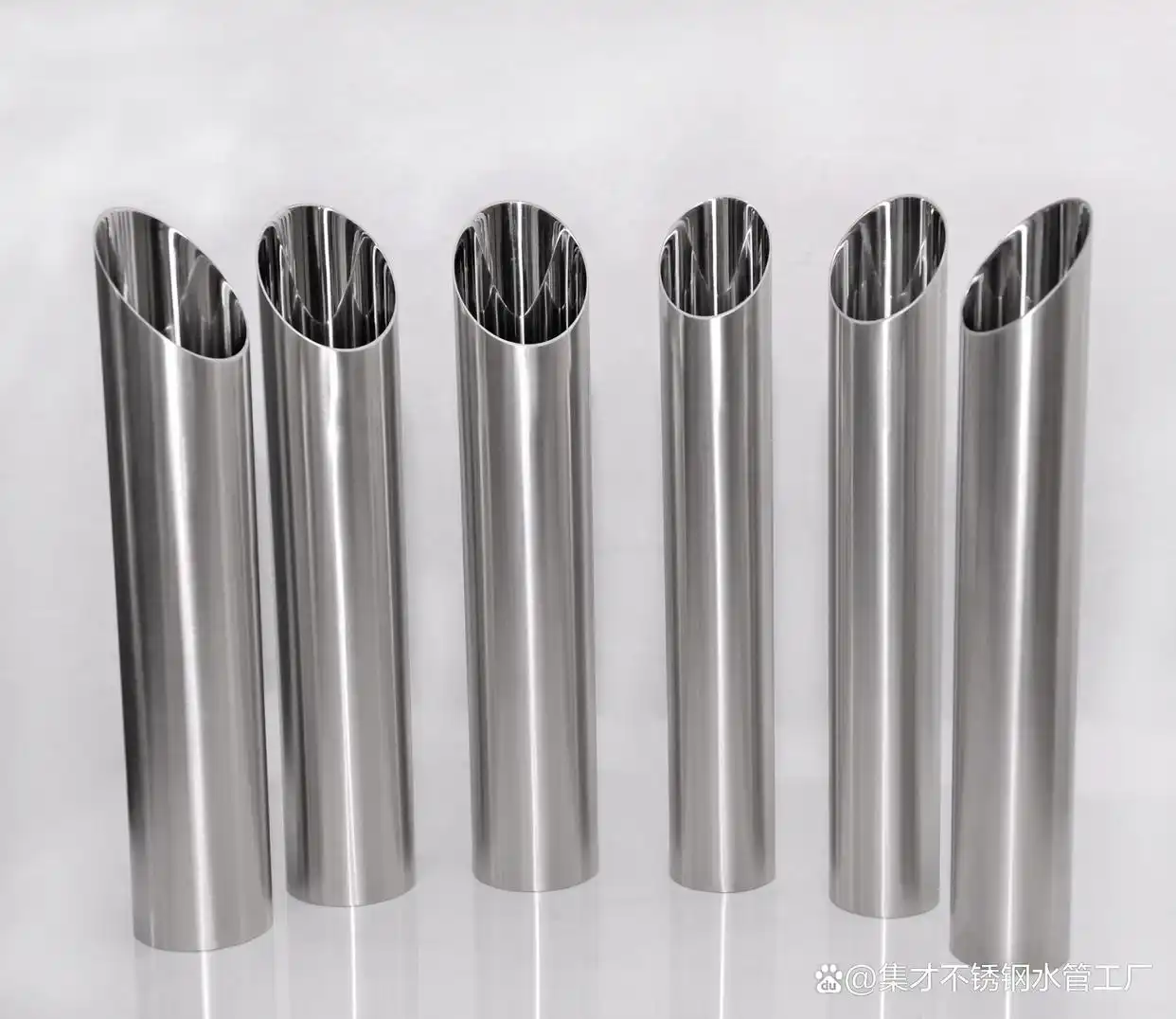
1. من الدين 11850 اثنان واحد 10357
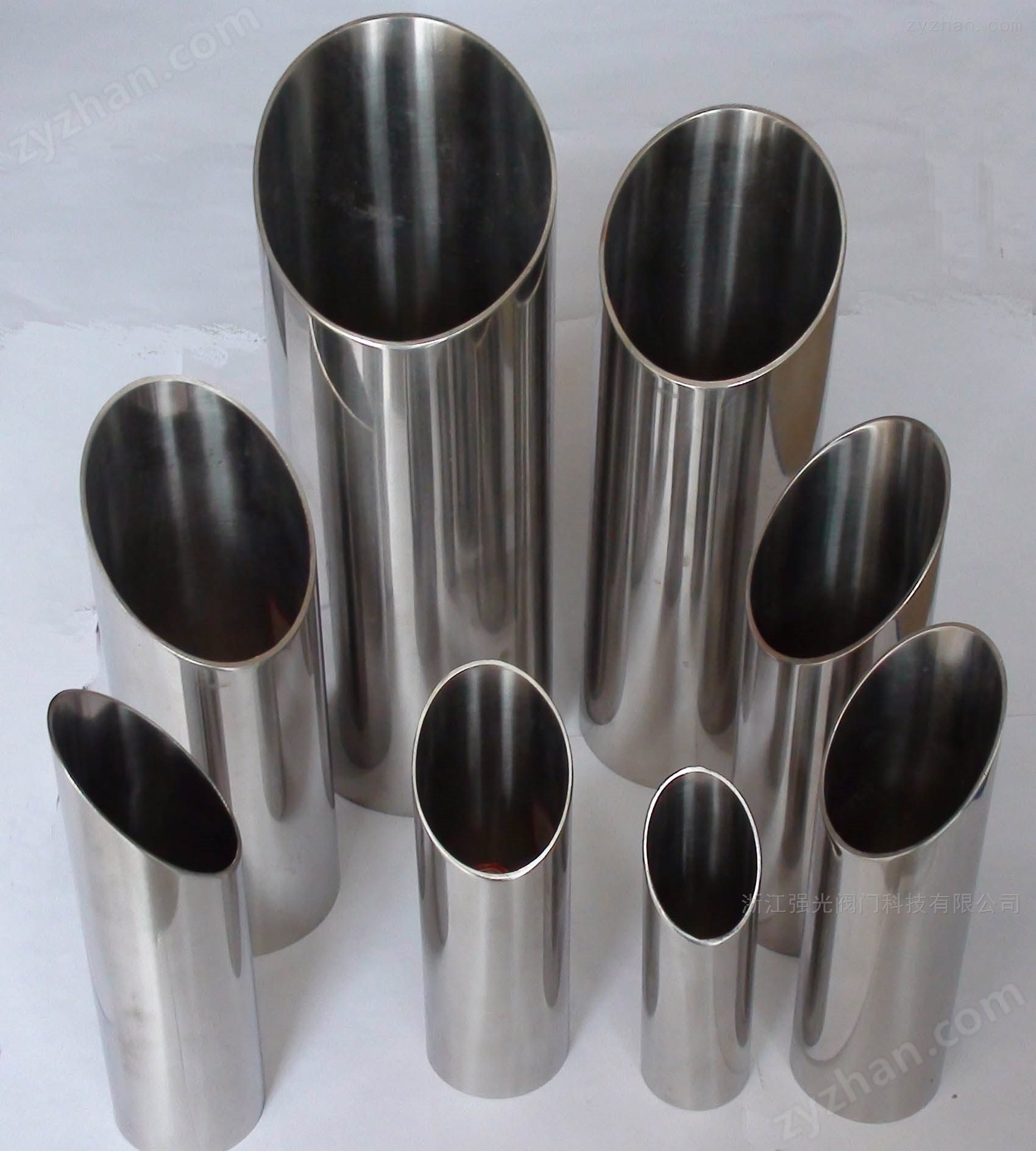
في تنفيذ أنظمة العمليات الصناعية عالية النقاء, يعد دمج المكونات الهيكلية التي تقضي على مسارات تراكم البكتيريا الدقيقة أمرًا إلزاميًا. لعقود من الزمن, المعيار الصناعي الألماني الدين 11850 كان بمثابة الإطار الهندسي المهيمن عبر أوروبا القارية, تحديد شروط التسليم الفنية, التسامح المكاني, والأبعاد الهندسية لأنابيب الفولاذ المقاوم للصدأ الملحومة وغير الملحومة المستخدمة في الأغذية, ألبان, الكيميائية, ومنشآت المعالجة الصيدلانية.
إزالة الحواجز التجارية الإقليمية وتوحيد معايير التصنيع الصحي المتفرقة الخاصة بكل بلد في إطار تنظيمي أوروبي مشترك, اللجنة الأوروبية للتوحيد القياسي صدرت رسميا أون 10357 في بداية 2014. نجحت هذه القاعدة الأوروبية في مواءمة المتطلبات الفنية للأنابيب الصحية في جميع الدول الأعضاء في الاتحاد الأوروبي, إنشاء خط أساس موحد لهندسة معالجة السوائل.
مذكرة الهندسة الاستراتيجية: على الرغم من إن 10357 بمثابة الخلف القانوني الرسمي لـ DIN 11850, تشير الأنظمة القديمة الهيكلية ومواصفات المشتريات الحالية في كثير من الأحيان إلى أبعاد DIN. بالتالي, يجب أن تعمل خطوط التصنيع الحديثة بتوافق كامل مع كلا المعيارين, الحفاظ على الفئات الفرعية الأبعاد لاستيعاب البروتوكولات الهندسية الإقليمية.
ضمن هندسة التخطيط الصحي, يجب التمييز بشكل حاد بين الأنابيب المخصصة للعمليات الصحية العامة (الأغذية والمشروبات) وتلك المصممة للتعقيم الصارم, تطبيقات معقمة (التكنولوجيا الحيوية والصيدلانية). بينما الدين 11850 و EN 10357 التركيز في المقام الأول على معلمات الأنبوب الصحي, التجهيزات المطابقة, النقابات, وتخضع المصفوفات المكونة لطبقات قياسية منفصلة.
الطاولة 1: المصفوفة المرجعية الأوروبية للأنابيب, تجهيزات, والتصنيفات المعقمة
| فئة التطبيق | أبعاد الأنبوب & المواصفات | تجهيزات & اتصالات | قطاعات الصناعة المستهدفة |
|---|---|---|---|
| الصحية القياسية / صحية | الدين 11850 (إرث) | الدين 11851 (ثمل) الدين 11852 (لحام) الدين 11853 (النقابات الصحية) |
تجهيز الألبان, مصانع الجعة, المشروبات, نقل الأغذية السائلة, مستحضرات التجميل |
| أون 10357 (القاعدة الحالية) | |||
| معقم عالي النقاء & معقمة | الدين 11866 | الدين 11864 (النقابات العقيمة) الدين 11865 (تركيبات معقمة) |
التكنولوجيا الحيوية, المكونات الصيدلانية الفعالة (API), جينيتك, صناعة أشباه الموصلات |
2. الهندسة المترية, الفئات الفرعية الهيكلية, والتنسيق متعدد المعايير
لإدارة الأبعاد المادية المختلفة المستخدمة عبر النظم البيئية الصناعية العالمية المنفصلة, أون 10357 يبني نطاقه في فئات فرعية ذات أبعاد متميزة للغاية. تتيح هذه التعيينات للفرق الهندسية إمكانية الإسناد الترافقي بسرعة فيما إذا كانت مجموعة الإنتاج تتبع المعايير المترية الأوروبية التقليدية, اتفاقيات المعالجة الحيوية الأمريكية عالية النقاء, أو مؤشرات الحجم الدولية.
- إن 10357-أ (سلسلة أ): يتبع الأبعاد القديمة التي تمليها DIN في الأصل 11850. هذا هو الإطار المتري الأساسي المستخدم في مصانع الألبان ومصانع الجعة الأوروبية الآلية.
- إن 10357-ج (السلسلة ج): تمت معايرتها لتناسب الأقطار الخارجية وسمك الجدار الذي تمليه ASME BPE الأمريكية (معدات العمليات الحيوية) مقاييس الحجم, تحسين الخطوط لتجميع وحدات الانزلاق عبر القارات.
- إن 10357-د (السلسلة د): تمت صياغته بالتوافق المباشر مع ISO الدولية 2037 الأبعاد, بمثابة المعيار الأساسي للأنظمة التي تستخدم سلاسل توريد المكونات العالمية البديلة.
انحراف هيكلي بسيط بين DIN القديم 11850 المواصفات وEN الموحدة 10357 يكمن في التوثيق الرسمي لحدود الأبعاد لتشغيل الأنابيب الكبيرة بشكل استثنائي. خاصة, أون 10357 يقدم حدودًا دقيقة لتحمل التصنيع $254\text{ mm}$ أنابيب القطر الخارجي (DN 250), مظروف البعد الخارجي الذي يفتقر إلى الاكتمال, المواصفات الهيكلية الصريحة في النص القياسي الألماني التاريخي.
الطاولة 2: مقارنة الأبعاد & الانحرافات الهيكلية
| معلمة التقييم | الدين 11850 مواصفات | أون 10357 مواصفات |
|---|---|---|
| قاعدة مرجعية للحجم | القطر الاسمي المتري حصريًا (DN) ترتبط مباشرة بأحجام ملليمتر ثابتة. | إطار ثلاثي الانقسام يشمل متري (سلسلة أ), ASME BPE (السلسلة ج), و ايزو 2037 (السلسلة د). |
| كبيرة قطرها ظرف ($254\text{ mm}$) | لم يتم تحديدها صراحة / ترك لاتفاق مطحنة الفردية. | موحدة رسميًا مع حدود التسامح الهيكلي المحددة في $\pm 0.4\text{ mm}$. |
| تسميات التشطيب السطحي | يستخدم رموز التنفيذ المباشر: نسخة, قرص مضغوط, قبل الميلاد, دينار بحريني. | يجمع بين الطبقة الهيكلية ورموز التنفيذ: صف دراسي 1 (CL1) أو الطبقة 2 (CL2) + CC/CD/BC/BD. |
| معايير الضغط الداخلي | يُجدول رسميًا الحد الأقصى المسموح به للشريط عند $20^\circ\text{C}$ و $150^\circ\text{C}$. | تم حذفه من النص القياسي الرسمي (يتوافق مع معايير أوعية الضغط الخارجية مثل EN 13480). |
| حد قيد الاستقامة | متطابقة عبر كلا الرمزين: $0.0015 \times \text{Length}$, مع الحد الأقصى لغطاء الانحراف $2\text{ mm}$ لكل متر خطي واحد. |
3. توصيف المعادن & عتبات التركيب الكيميائي
يعتمد الأداء الميكانيكي ومقاومة التآكل للأنظمة الصحية بشكل كبير على التكوينات الدقيقة لسبائك الفولاذ. المواد تحت DIN 11850 و EN 10357 يجب أن يتم الحصول عليها من أنواع مختلفة من الفولاذ المقاوم للصدأ الأوستنيتي عالي الجودة والتي تم تصنيعها وفقًا لـ EN 10088-2 معايير. السبائك الأولية المستخدمة هي 1.4301 (إيسي 304), 1.4307 (إيسي 304 ل), و 1.4404 (إيسي 316 ل).
للتخفيف من مخاطر التآكل بين الحبيبات داخل مناطق السوائل الساخنة أو المجاورة لنقاط اللحام المدارية ذات درجة الحرارة العالية, المتغيرات منخفضة الكربون ($C \le 0.035\%$) تم تحديدها صراحة ل 1.4307 و 1.4404 صفائف. بالإضافة إلى, إدراج الموليبدينوم ($2.0\% – 3.0\%$) داخل 1.4404 تضمن التركيبة مقاومة حرجة ضد الحفر الموضعي وتآكل الشقوق عند التعامل مع تيارات العمليات الحمضية, حلول التنظيف, أو الوسائط عالية الملوحة.
الطاولة 3: حدود التركيب الكيميائي دقيقة للغاية (عنصر % بواسطة قداس)
| رمز السبائك EN | مكافئ AISI. | كربون (ج) | الكروم (الجمهورية التشيكية) | النيكل (ني) | الموليبدينوم (مو) | المنغنيز (مينيسوتا) | السيليكون (الاشتراكية الدولية) | الفوسفور (ف) | الكبريت (S) |
|---|---|---|---|---|---|---|---|---|---|
| 1.4301 | 304 | ≥ 0.07 | 17.5 – 19.5 | 8.0 – 10.5 | - | ≥ 2.00 | ≥ 1.00 | ≥ 0.045 | ≥ 0.015 |
| 1.4307 | 304L | ≥ 0.030 | 17.5 – 19.5 | 8.0 – 10.5 | - | ≥ 2.00 | ≥ 1.00 | ≥ 0.045 | ≥ 0.015 |
| 1.4404 | 316L | ≥ 0.030 | 16.5 – 18.5 | 10.0 – 13.0 | 2.00 – 2.50 | ≥ 2.00 | ≥ 1.00 | ≥ 0.045 | ≥ 0.015 |
4. خصائص الشد & حدود الأداء الميكانيكي
يجب أن تمتلك الأنابيب الصحية توازنًا قويًا بين حدود الشد الهيكلية العالية والمرونة المتميزة للمواد. يسمح هذا التشكيل الجانبي للخطوط بامتصاص الصدمات الحرارية بأمان من عمليات التنظيف المتتابعة دون حدوث تشققات أو التعرض لفشل هيكلي.
التحقق الميكانيكي, تخضع لمعايير الاختبار الموضحة في ASME SA270 وEN 10217-7, يتطلب أن تخضع جميع المكونات الهيكلية لمحلول متحكم فيه لبروتوكول التلدين الحراري. ساخنة بين $1040^\circ\text{C}$ و $1100^\circ\text{C}$ تليها التبريد السريع بالماء أو الهواء, البنية المجهرية تتحول إلى مستمرة, مصفوفة الأوستنيتي غير المغناطيسية التي توفر قيم استطالة يمكن التنبؤ بها.
الطاولة 4: الخواص الميكانيكية المعتمدة & شروط الصلب الحل
| مواصفات المواد | دقيقة. مقاومة الخضوع ($R_{p0.2}$, الآلام والكروب الذهنية) |
مقاومة الشد ($R_m$, الآلام والكروب الذهنية) |
دقيقة. استطالة ($A_5$, %) |
درجة حرارة الحل الصلب ($^\circ\text{C}$) |
|---|---|---|---|---|
| أون 1.4301 / إيسي 304 | 205 | 515 – 720 | 35% | 1040 – 1100 |
| أون 1.4307 / إيسي 304 ل | 170 | 485 – 670 | 35% | 1040 – 1100 |
| أون 1.4401 / إيسي 316 | 205 | 515 – 720 | 35% | 1040 – 1100 |
| أون 1.4404 / إيسي 316 ل | 170 | 485 – 670 | 35% | 1040 – 1100 |
5. مجموعة مصفوفة الأبعاد أ: لمحات من سمك الجدار الخفيف ($1.0\text{ mm}$)
تم تحسين مقاطع سمك الجدار الخفيف لتوزيع السوائل ذات الضغط المنخفض أو خطوط تغذية الجاذبية في درجة الحرارة المحيطة حيث يكون تقليل وزن النظام أمرًا بالغ الأهمية. يتم دمج هذه التكوينات بشكل متكرر في مناطق تخزين المنتجات ذات الحجم الكبير, شبكات تجاوز التوزيع, وتطبيقات التنفيس الثانوية داخل مصانع الألبان الآلية.
الطاولة 5: المجموعة أ (الحائط الخفيف) – التحجيم الاسمي & ثوابت الكتلة الدقيقة
| المؤشر الاسمي (DN) | أنبوب OD ($d_e$, مم) | منذ التسامح (مم) | سمك الجدار ($s$, مم) | التسامح WT | بدل قطع النهاية | الكتلة النظرية ($M$, كجم/م) |
|---|---|---|---|---|---|---|
| DN 10 | 12.0 | ± 0.12 | 1.0 | ± 10% | +3.0 مم / -0.0 | 0.273 |
| DN 15 | 18.0 | ± 0.12 | 1.0 | ± 10% | +3.0 مم / -0.0 | 0.423 |
| DN 20 | 22.0 | ± 0.12 | 1.0 | ± 10% | +3.0 مم / -0.0 | 0.523 |
| DN 25 | 28.0 | ± 0.12 | 1.0 | ± 10% | +3.0 مم / -0.0 | 0.672 |
| DN 32 | 34.0 | ± 0.12 | 1.0 | ± 10% | +3.0 مم / -0.0 | 0.821 |
| DN 40 | 40.0 | ± 0.12 | 1.0 | ± 10% | +3.0 مم / -0.0 | 0.971 |
| DN 50 | 52.0 | ± 0.20 | 1.0 | ± 10% | +3.0 مم / -0.0 | 1.271 |
6. مجموعة مصفوفة الأبعاد ب: ملامح سمك الجدار القياسية ($1.5\text{ mm} – 2.0\text{ mm}$)
يوازن تكوين التشكيل الجانبي المتوسط للمجموعة B بين القوة الهيكلية العالية وكفاءة الوزن الخفيف. يتعامل هذا المقطع العرضي مع المعايير البلدية, الأدوية, وضغوط تشغيل المصانع الكيماوية, مما يجعلها تنسيق الأبعاد الأساسي لأنظمة معالجة المياه, خطوط نقل المنتجات, والبنية العامة لاستهلاك المنتجات الخام.
الطاولة 6: المجموعة ب (الجدار القياسي) – التحجيم المتري الكامل ومؤشرات الكتلة
| المؤشر الاسمي (DN) | أنبوب OD ($d_e$, مم) | منذ التسامح (مم) | سمك الجدار ($s$, مم) | التسامح WT | نطاق الطول الخطي (م) | الكتلة النظرية ($M$, كجم/م) |
|---|---|---|---|---|---|---|
| DN 10 | 13.0 | ± 0.30 | 1.5 | ± 10% | 6.00 | 0.431 |
| DN 15 | 19.0 | ± 0.30 | 1.5 | ± 10% | 6.00 | 0.655 |
| DN 20 | 23.0 | ± 0.30 | 1.5 | ± 10% | 6.00 | 0.805 |
| DN 25 | 29.0 | ± 0.30 | 1.5 | ± 10% | 6.00 | 1.030 |
| DN 32 | 35.0 | ± 0.30 | 1.5 | ± 10% | 6.00 | 1.255 |
| DN 40 | 41.0 | ± 0.30 | 1.5 | ± 10% | 6.00 | 1.480 |
| DN 50 | 53.0 | ± 0.30 | 1.5 | ± 10% | 6.00 | 1.931 |
| DN 65 | 70.0 | ± 0.30 | 2.0 | ± 10% | 6.00 | 3.400 |
| DN 80 | 85.0 | ± 0.30 | 2.0 | ± 10% | 6.00 | 4.150 |
| DN 100 | 104.0 | ± 0.30 | 2.0 | ± 10% | 6.00 | 5.101 |
| DN 125 | 129.0 | ± 0.40 | 2.0 | ± 10% | 6.00 | 6.350 |
| DN 150 | 154.0 | ± 0.40 | 2.0 | ± 10% | 6.00 | 7.601 |
| DN 200 | 204.0 | ± 0.40 | 2.0 | ± 10% | 6.00 | 10.100 |
| DN 250 | 254.0 | ± 0.40 | 2.0 | ± 10% | 6.00 | 12.601 |
7. مجموعة مصفوفة الأبعاد ج: ملامح سمك الجدار الثقيل ($2.0\text{ mm} – 2.5\text{ mm}$)
لمناطق المعالجة ذات درجة الحرارة العالية, حلقات بخار معقمة, أو خطوط تحمل مركبات كيميائية شديدة التآكل, الاعتماد على الهياكل الخفيفة يمثل مخاطر تشغيلية. توفر تكوينات المجموعة C ذات الجدران السميكة عامل أمان ضغط الانفجار الضروري لمصفوفات البسترة متعددة المراحل, خطوط تبخر عالية السرعة, ومرافق المعالجة الكيميائية الحديثة.
الطاولة 7: المجموعة ج (الجدار الثقيل) – المعلمات الهندسية & القيم الجماعية
| المؤشر الاسمي (DN) | أنبوب OD ($d_e$, مم) | منذ التسامح (مم) | سمك الجدار ($s$, مم) | التسامح WT | نهاية التربيع القيد | الكتلة النظرية ($M$, كجم/م) |
|---|---|---|---|---|---|---|
| DN 10 | 14.0 | ± 0.30 | 2.0 | ± 10% | ≥ 0.5% من التطوير التنظيمي | 0.601 |
| DN 15 | 20.0 | ± 0.30 | 2.0 | ± 10% | ≥ 0.5% من التطوير التنظيمي | 0.901 |
| DN 20 | 24.0 | ± 0.30 | 2.0 | ± 10% | ≥ 0.5% من التطوير التنظيمي | 1.102 |
| DN 25 | 30.0 | ± 0.30 | 2.0 | ± 10% | ≥ 0.5% من التطوير التنظيمي | 1.402 |
| DN 32 | 36.0 | ± 0.30 | 2.0 | ± 10% | ≥ 0.5% من التطوير التنظيمي | 1.703 |
| DN 40 | 42.0 | ± 0.30 | 2.0 | ± 10% | ≥ 0.5% من التطوير التنظيمي | 2.003 |
| DN 50 | 54.0 | ± 0.30 | 2.0 | ± 10% | ≥ 0.5% من التطوير التنظيمي | 2.604 |
8. عتبات الضغط الداخلي الهيدروستاتيكي & الحسابات الهيكلية
على عكس القواعد الألمانية القديمة, أون 10357 لا يحدد بشكل صريح حدود الضغط الداخلي في نصه الرئيسي, التأجيل بدلاً من ذلك لقواعد تصميم أوعية الضغط الإقليمية. ومع ذلك, لضمان عوامل السلامة الهيكلية, تعتمد الفرق الهندسية على الصيغ الأساسية المسجلة في DIN 11850 وورقة معلومات الإعلان B1/B9.
تقوم حسابات السعة الهيكلية الأساسية بتقييم جزء من القشرة الأسطوانية بدون قواطع ($P_{max}$), على افتراض أ 100% وصلة لحام طولية فعالة. لأن الفولاذ الأوستنيتي يلين عند درجات الحرارة المرتفعة, يجب تخفيض معدلات الضغط بنسبة تصل إلى 40% عند العمل تحت التعقيم في المكان (رشفة) الظروف عند $150^\circ\text{C}$.
الطاولة 8: الحد الأقصى لحدود ضغط العمل (حاجِز) من أجل 1.4301 التكوينات الملحومة
| رمز تغيير الحجم DN | 10 | 15 | 20 | 25 | 32 | 40 | 50 | 65 | 80 | 100 | 125 | 150 | 200 |
|---|---|---|---|---|---|---|---|---|---|---|---|---|---|
| الحد عند $20^\circ\text{C}$ (حاجِز) | 355 | 242 | 200 | 159 | 131 | 112 | 87 | 87 | 72 | 59 | 47 | 39 | 30 |
| الحد عند $150^\circ\text{C}$ (حاجِز) | 219 | 150 | 124 | 98 | 81 | 69 | 53 | 54 | 44 | 36 | 29 | 24 | 18 |
9. تضاريس السطح الداخلي & ثوابت الخشونة الدقيقة
يعد الحفاظ على رقابة صارمة على تضاريس السطح الداخلي أمرًا ضروريًا لمنع نمو الميكروبات أو الارتباط بالأغشية الحيوية. يفرض كلا المعيارين قيودًا صارمة على الحد الأقصى المسموح به لمتوسط الخشونة الداخلية ($R_a$).
لضمان قابلية التنظيف المتكررة أثناء التنظيف المكاني (CIP) العمليات, يجب أن يحافظ السطح الداخلي على $R_a \le 0.8\ \mu\text{m}$. للقطاعات الدوائية عالية النقاء, تقتصر متطلبات التشطيب أيضًا على $R_a \le 0.4\ \mu\text{m}$ أو أفضل, يتم تحقيقه عادةً من خلال الكشط الميكانيكي المتخصص متبوعًا بطبقة معالجة بالتلميع الكهربائي.
الطاولة 9: تسميات خشونة السطح, بروتوكولات العلاج & حدود الهدف
| كود EN | الكود القديم | حالة العملية & المعالجة الحرارية | الجسم الداخلي ($R_a\ \mu\text{m}$) | التماس الملحوم ($R_a\ \mu\text{m}$) | السطح الخارجي ($R_a\ \mu\text{m}$) |
|---|---|---|---|---|---|
| CL1 ق.م | قبل الميلاد | مشرق تعتيق, مصقول ميكانيكيا | ≥ 0.80 | ≥ 1.60 | مخلل (≥ 1.60) |
| CL1 دينار بحريني | دينار بحريني | مشرق تعتيق, الارض بالخارج | ≥ 0.80 | ≥ 1.60 | ≥ 1.00 |
| CL1 سي سي | نسخة | غير صلب, مخلل نظيف | ≥ 0.80 | ≥ 1.60 | مخلل (≥ 1.60) |
| قرص مضغوط CL1 | قرص مضغوط | غير صلب, أرضي خارجيا | ≥ 0.80 | ≥ 1.60 | ≥ 1.00 |
| ثلاثي البرسيم | 3المواصفات | نسخة مصقولة بالكهرباء عالية النقاء | ≥ 0.38 | ≥ 0.38 | ≥ 0.80 |
10. تضاريس السطح البديلة & تحويل تلميع الحصى
لمساعدة أقسام المشتريات في تقييم الإمدادات الدولية, يعد تحويل تسميات الحبيبات الميكانيكية إلى قيم قياس دقيقة أمرًا ضروريًا. بينما يشير حجم الحصى إلى كثافة جزيئات الوسط الكاشطة, تعتمد معايير الاعتماد الرسمية على قياسات الخشونة الفعلية ($R_a$) للتحقق من الامتثال الصحي.
الطاولة 10: معالجة المواد الكاشطة للحصى إلى ميكرون الخشونة / تحويل مايكرو بوصة
| تنسيق التشطيب الكاشطة | خشونة ($R_a$, بوصة صغيرة) | خشونة ($R_a$, ميكرون) | ISO 4287 تعيين | طلاء تلميع كهربائي بعد الطبقة |
|---|---|---|---|---|
| 150 الانتهاء من حصى | 30 – 35 | 0.75 – 0.875 | ن6 | غير قابل للتطبيق |
| 150 حصى + تلميع كهربائي | 12 – 20 | 0.30 – 0.50 | ن5 | مطبق بالكامل |
| 180 الانتهاء من حصى | 20 – 25 | 0.50 – 0.625 | ن5 | غير قابل للتطبيق |
| 180 حصى + تلميع كهربائي | 10 – 16 | 0.25 – 0.40 | ن4 | مطبق بالكامل |
| 240 الانتهاء من حصى | 15 – 20 | 0.375 – 0.50 | ن5 | غير قابل للتطبيق |
| 240 حصى + تلميع كهربائي | 8 – 12 | 0.20 – 0.30 | ن4 | مطبق بالكامل |
| 320 الانتهاء من حصى | 8 – 12 | 0.20 – 0.30 | ن4 | غير قابل للتطبيق |
| 320 حصى + تلميع كهربائي | 6 – 12 | 0.15 – 0.30 | فائقة النظافة | مطبق بالكامل |
11. بروتوكولات مراقبة الجودة, منهجيات الاختبار & معايير المترولوجيا
التحقق من الامتثال لـ EN 10357 ومن 11850 يتطلب اختبارات صارمة وغير مدمرة ومدمرة. الخصائص الميكانيكية, المصفوفات الكيميائية, ويجب التحقق من صحة المعلمات السطحية لكل أون 10217-7 فئة الاختبار 1 (TC1) قواعد, أو فئة الاختبار 2 (TC2) البروتوكولات بموجب شروط AD-2000-Merkblatt W2.
يتم تنفيذ اختبارات الخشونة التالية EN ISO الخاص بك 4287 و EN ISO الخاص بك 4288 البروتوكولات. يقوم المفتشون بقياس معلمات السطح في نهاية الأنبوب, بالضبط $5\text{ mm}$ من الحافة, تقييم الحد الأدنى 1 في 20 أنابيب من كل حرارة الإنتاج. لمحات الأرض خارجيا (أنواع CD وBD), يتم إجراء قياسات النسبة على الأقل $100\text{ mm}$ من نهاية الأنبوب لاستبعاد تشويه تلميع الحواف.
الطاولة 11: مصفوفة عتبة اختبار فحص الجودة الإلزامية
| هدف الاختبار | القاعدة المرجعية | الطريقة الإجرائية / معايير | الحد الأدنى من التردد |
|---|---|---|---|
| لحام التماس النزاهة | أون 10217-7 / في ايزو 10893-1 | اختبار تيار إيدي المستمر غير المدمر أو حلقات التحقق الهيدروستاتيكي. | 100% من الدفعة |
| خشونة السطح ($R_a$) | EN ISO الخاص بك 4287 / 4288 | تم أخذ قياس الملف الشخصي للقلم $5\text{ mm}$ من نهاية الأنبوب عبر منطقة اللحام والمعدن الأصلي الداخلي. | 5% من الأطوال (1:20) |
| الامتثال الأبعاد | أون 10357 / الدين 11850 | تأكيد القطر الخارجي بالميكرومتر ومسح الجدار بسمك الجدار بالليزر. | 100% من الدفعة |
| تشوه اللحام | في ايزو 8492 / 8493 | اختبار تسطيح الحلقة المدمرة واختبار تمدد الانجراف لتأكيد مرونة التشكيل على البارد. | مرة واحدة لكل حزمة حرارة |
12. إمكانية تتبع النظام, معايير وضع العلامات & شهادات مطحنة
تعد إمكانية التتبع الكامل للمواد أساسًا للهندسة الصحية الحديثة جودة توكيد. في قطاعات المعالجة عالية النقاء, يضمن التتبع الكامل للأصول إمكانية عزل أي عيب في المواد الخام بسرعة, التخفيف من المخاطر عبر سلسلة الإنتاج.
للحفاظ على سلامة الوثائق, يجب أن تكون جميع الأنابيب مختومة بشكل واضح بعلامة الشركة المصنعة, الرموز القياسية, الأبعاد, مواصفات السطح, ورقم حرارة المادة المحددة. بالإضافة إلى, يجب أن تتضمن عمليات التسليم شهادة أون 10204 3.1 تقرير اختبار المواد (استعراض منتصف المدة), التحقق من صحة التركيب الكيميائي الدقيق والخواص الميكانيكية.
الطاولة 12: الختم الإلزامي والتحقق من الوثائق
| معلمة وضع العلامات المطلوبة | ختم مثال بناء الجملة | متطلبات التحقق |
|---|---|---|
| تتبع المنشأ | اسم المطحنة في ألمانيا | يحدد موقع التصنيع والموقع. |
| الامتثال القياسي | إن 10357-أ / الدين 11850 | يؤكد إطار الفئة الفرعية الأبعاد. |
| الملف الشخصي الأبعاد | DN50 $53.0 \times 1.5\text{ mm}$ | يؤكد القطر الخارجي وسمك الجدار. |
| رمز تنفيذ السطح | CL1 دينار بحريني | التحقق من صحة معايير فئة الخشونة. |
| هوية التتبع | الحرارة لا. H2026X57 | روابط تعود إلى ملف تعريف دفعة متجر الذوبان. |
13. توافق الختم المطاطي & ملامح المقاومة الكيميائية
يتطلب بناء نظام معالجة صحية موثوق به اختيار حشوات مطاطية متوافقة لإغلاق وصلات التوصيل, جوز الاتحاد, والحلقات ثلاثية المشبك. يمكن أن تتحلل المركبات المرنة غير المناسبة بسرعة عند تعرضها لكيمياء المنتج العدوانية أو التنظيف القاسي في المكان (CIP) الحلول.
على سبيل المثال, مطاط النتريل القياسي (نبر) يُظهر مقاومة محدودة عند تعرضه لدورات الغسول الساخن عالي التركيز أو خطوط البخار النشطة. على العكس, البوليمرات المتميزة مثل إيثيلين بروبيلين ديين مونومر (إبدم) أو بولي تترافلوروإيثيلين (بتف) الحفاظ على سلامة المواد في ظل بيئات التعقيم المكثفة, منع تدهور الختم وتلوث السوائل العملية.
الطاولة 13: تقييمات شاملة للمنتج والمقاومة الكيميائية للمركبات المرنة
| نوع الوسائط أو دفق العملية | نبر | هنبر | إبدم | سيليكون (س) | التيار الوطني الحر (فيتون) | بتف (تفلون) |
|---|---|---|---|---|---|---|
| منتجات الألبان القياسية (لبن, كريم) | 3 | 3-4 | 3-4 | 3-4 | - | 4 (متوسط) |
| أصناف اللبن الرائب المزروعة | 3 | 3-4 | 3-4 | 3-4 | - | 4 (متوسط) |
| تيارات الجعة (جعة, القفزات) | 3 | 3-4 | 3-4 | 1-2 | 2-3 | 4 (متوسط) |
| تجهيز النبيذ والخميرة | 3 | 3-4 | 4 | 4 | 2-3 | 4 (متوسط) |
| حيوان & الدهون النباتية (إلى $100^\circ\text{C}$) | 3 | 4 | 1-2 | 3 | 4 | 4 (متوسط) |
| المياه المعالجة الساخنة / البخار (إلى $130^\circ\text{C}$) | 1 (يفشل) | 4 | 4 | 2 | - | 4 (متوسط) |
| الأحماض غير المؤكسدة (إلى $80^\circ\text{C}$) | 1-2 | 2 | 3 | 1-2 | 2 | 3-4 |
| خلطات الغسول القلوية الضعيفة (إلى $100^\circ\text{C}$) | 2 | 3-4 | 4 | 2 | 2 | 4 (متوسط) |
| المنظفات الكاوية المركزة CIP | 1 (يفشل) | 2-3 | 3 | 1 | 1 | 4 (متوسط) |
* ملاحظة: يتم تجميع قيم فهرسة الأداء وفقًا لمعايير ISO R العالمية 1629 قواعد تصنيف المطاط. (مفتاح: 4 = ملاءمة عالية; 3 = الملاءمة العادية; 2 = ملاءمة محدودة; 1 = غير مناسب).
14. المنطقة الهندسية الداخلية & مصفوفات الإزاحة الحجمية
يتطلب حساب إزاحة السوائل بدقة تحليل القطر الداخلي الدقيق ($d_i$) من تشغيل الأنابيب. لأن معلمات سمك الجدار تختلف عبر السلاسل الهيكلية المختلفة, تتغير مساحة المقطع العرضي الداخلي بشكل كبير بين فئتي المجموعة أ والمجموعة ج.
يتطلب تصميم العملية الصحية تقليل مقاومة التدفق والحفاظ على ظروف الضغط المثالية. يوضح الجدول أدناه مساحات المقطع العرضي الداخلية الحقيقية وقدرات السوائل النسبية عبر قطاعات القطر الاسمي القياسية الرئيسية.
الطاولة 14: مساحة المقطع العرضي الداخلية الحقيقية ومصفوفة مؤشر السعة
| مؤشر الحجم (DN) | التطوير التنظيمي القياسي (مم) | فئة الجدار (مم) | معرف صحيح ($d_i$, مم) | المنطقة الداخلية ($\text{cm}^2$) | وحدة حجم السوائل. (لتر/م) |
|---|---|---|---|---|---|
| DN 25 | 29.0 | 1.5 | 26.0 | 5.31 | 0.531 |
| 2.0 | 25.0 | 4.91 | 0.491 | ||
| DN 50 | 53.0 | 1.5 | 50.0 | 19.63 | 1.963 |
| 2.0 | 49.0 | 18.86 | 1.886 | ||
| DN 100 | 104.0 | 2.0 | 100.0 | 78.54 | 7.854 |
| 2.5 | 99.0 | 76.97 | 7.697 |
15. مواصفات اللحام & منطقة متأثرة بالحرارة (المخاطر) أمان
لتوصيل الخطوط الصحية مع الحفاظ على مسار التدفق سلسًا وسلسًا, يتم استخدام لحام TIG المداري الآلي على نطاق واسع. تحقيق درجة عالية-جودة يتطلب المفصل إدارة مدخلات الحرارة لمنع ترسيب كربيد الكروم على طول حدود الحبوب.
تعد الإدارة السليمة للأكسجين داخل الأنبوب أثناء اللحام أمرًا بالغ الأهمية. باستخدام غاز دعم الأرجون عالي النقاء ($>99.995\%$) يحافظ على مستويات منخفضة من الأكسجين داخل غرفة التطهير, القضاء على تغير لون الأكسيد الذي يمكن أن يضر بالطبقة السطحية السلبية ويؤدي إلى التآكل.
الطاولة 15: معلمات اللحام TIG المدارية & تطهير بروتوكولات التدريع
| معلمة اللحام | الهدف التشغيلي & إعدادات التحكم | مقياس القيمة المستهدفة |
|---|---|---|
| تطهير حد الأكسجين | الحد الأقصى المسموح به لتركيز الأكسجين داخل مسار التطهير الداخلي قبل بدء تسلسل القوس. يمنع أكسدة جذور اللحام. | ≥ 25 جزء في المليون |
| التدريع نقاء الغاز | الشعلة ودعم تكوين الغاز. يجب أن يكون خالياً تماماً من الهيدروكربونات والرطوبة لتجنب مسامية اللحام. | 99.995% الأرجون دقيقة. |
| مدخلات الحرارة الخطية | الطاقة المقدمة لكل وحدة طول أثناء اللحام. يتم التحكم فيه للحفاظ على توازن البنية المجهرية ومنع نمو الحبوب. | 0.5 – 1.2 kj/mm |
| حد الاختلال | الحد الأقصى المسموح به لارتفاع الخطوة بين جدران الأنابيب المطابقة عند المفصل. يمنع الشقوق الداخلية التي يمكن أن تحبس سائل العملية. | ≥ 10% من سمك الجدار |
16. الخدمات اللوجستية في الموقع, بروتوكولات التخزين & معايير محاذاة التثبيت
يتطلب الحفاظ على تفاوتات الدقة وجودة سطح الأنابيب الصحية معالجة دقيقة للمواد أثناء الشحن والتخزين في الموقع. لتجنب التلوث كلفاني, يجب تخزين مقاطع الفولاذ المقاوم للصدأ بشكل منفصل عن مكونات الفولاذ الكربوني.
يجب أن تكون الأنابيب مدعومة بشرائط خشبية أو رفوف مبطنة لمنع تشوه الحمل النقطي. بالإضافة إلى ذلك, ويجب تركيب خطوط عالية النقاء مع تدرج منحدر ثابت لضمان أداء الاستنزاف الذاتي الكامل, القضاء على مناطق انحباس السوائل التي يمكن أن تؤثر على نظافة النظام.
الطاولة 16: متطلبات التخزين والتعامل في الموقع
| مرحلة التعامل | الإجراء الملزم & معايير الحماية | مقياس الحد المستهدف |
|---|---|---|
| تخزين المستودعات | تخزينها في الداخل على رفوف مبطنة, معزولة عن الفولاذ الكربوني. احتفظ بأغطية النهاية البلاستيكية الواقية بإحكام في مكانها لمنع الغبار المحمول بالهواء. | 100% بيئة جافة |
| الرفع اللوجستي | استخدم حبال النايلون النظيفة أو الخطافات المغطاة بالبوليمر أثناء النقل. لا تستخدم أبدًا السلاسل الفولاذية العارية أو الرافعات الشوكية مباشرة على حزم الأنابيب غير القابلة للصدأ. | صفر التهديف السطحي |
| محاذاة الصرف الصحي | يجب أن يتم توجيه المسارات الأفقية نحو الأسفل باتجاه صمامات الصرف لضمان إخلاء النظام بالكامل أثناء دورات التنظيف. | دقيقة. المنحدر 1:100 (1%) |
17. اختبار غير مدمر (NDT) & التحقق من سلامة المعادن
لضمان الامتثال للمعايير الصارمة التي تحكم الغذاء الأوروبي, ألبان, ومصفوفة تصنيع الأدوية, كل عملية إنتاج لـ EN 10357 / الدين 11850 يجب أن تمر الأنابيب بمصفوفة صارمة من الاختبارات الداخلية غير المدمرة. تضمن هذه الإجراءات التحمل الهيكلي تحت الضغط الحراري الدوري وتزيل خطر تسرب الثقب عند ضغوط العملية العالية.
المنهجية الأساسية التي تم نشرها مضمنة هي 100% اختبار التيار الدوامي الآلي بما يتوافق تمامًا مع EN ISO 10893-1 أو إن إسو 10893-2. يقوم نظام الاختبار الكهرومغناطيسي هذا بتقييم استمرارية كل من المصفوفة المعدنية الأصلية وخط اللحام الذاتي المنشأ بسرعة, عزل شقوق الجدار الطولية المجهرية, شوائب الخبث, أو جيوب غازية داخلية لا ترى بالعين المجردة.
الطاولة 17: مصفوفة فحص الجودة الإلزامية ومعايير القبول
| فئة الاختبار | منهجية الاختبار & اللائحة المرجعية | معيار القبول الإلزامي |
|---|---|---|
| إيدي كشف الخلل الحالي | التقييم الكهرومغناطيسي المستمر المضمن الذي يستهدف سلامة الشريط الأصلي ومنطقة اللحام وفقًا لمعايير EN ISO 10893-2. | انحراف الإشارة صفر (لا الشقوق) |
| تسطيح اللحام الميكانيكي | التقييم المدمر من خلال التشوه الانضغاطي الشديد لكوبونات العينة عند اتجاه 90 درجة بالنسبة لمستوى اللحام وفقًا لمعايير EN ISO 8492. | لا توجد شقوق صغيرة أو انقسامات اللحام |
| التدقيق بالليزر الأبعاد | قياس عن بعد مستمر عالي السرعة بالليزر غير متصل بزاوية 360 درجة للتأكد من توحيد القطر الخارجي الاسمي واستدارة المقطع العرضي. | بدقة داخل EN 10357 ظرف |
18. التخميل الكيميائي بعد التصنيع & تحسين كيمياء السطح
لتحقيق أقصى قدر من المقاومة المترجمة المكافئة (خشب) المقاييس داخل شبكات العملية, تخضع الأنابيب الفولاذية الصحية الأوستنيتي والمزدوجة إلى تخميل دقيق للغمر الكيميائي. تعمل هذه المعالجة المعدنية على إزالة أي حديد خالٍ من العناصر النزرة مدمج على جدار الأنبوب الداخلي من وسائط الرسم والتلميع الميكانيكية الخام.
عن طريق ملامسة الأسطح فائقة النعومة بتركيبات مستهدفة من حمض النيتريك ($HNO_3$) أو حامض الستريك العضوي, يرتفع تركيز الكروم السطحي بشكل مصطنع بالنسبة للحديد. هذه العملية تسرع توليد مستمر, أكسيد الكروم المتماسك ($Cr_2O_3$) طبقة الحاجز السلبي. يعمل هذا الحاجز الجزيئي على منع الاختراق الأيوني بشكل فعال من وسائط التنظيف CIP العدوانية التي تحتوي على الصودا الكاوية الساخنة أو المطهرات الحمضية.
الطاولة 18: معلمات التخميل الكيميائي الصناعي القياسية
| صياغة كيميائية | درجة حرارة الحل الحجمي. | مدة الغمر | نسبة التمريرة السلبية للهدف |
|---|---|---|---|
| حمض النيتريك (20% – 25% $HNO_3$) | 45درجة مئوية – 55درجة مئوية | 20 – 30 دقائق | الجمهورية التشيكية:نسبة الحديد ≥ 1.5 عبر XPS |
| حامض الستريك (4% – 10% عملية إزالة معدن ثقيل) | 50درجة مئوية – 65درجة مئوية | 30 – 45 دقائق | الجمهورية التشيكية:نسبة الحديد ≥ 1.2 عبر XPS |
19. التتبع التنظيمي & معايير شهادة المواد
في بيئات المعالجة المعقمة, الأصل المادي والشفافية الهيكلية هي ضرورات قانونية غير قابلة للتفاوض. جميع مواد الأنابيب مبنية على EN 10357 يجب الحفاظ على التتبع الهيكلي المستمر من مرحلة الصهر الأولية وحتى عمليات التشطيب النهائية. تتم إحالة كل دفعة إلى أرقام حرارة مطحنة محددة عبر وضع علامات ليزر لا تمحى على طول الطول الخارجي لملف الأنبوب.
لتأمين التوقيع الهيكلي من مدققي النظام, يجب أن تحتوي أوراق التسليم على EN رسمي 10204 نوع 3.1 شهادة التفتيش. يتتبع هذا المستند التكوينات الكيميائية لعينة المغرفة, مقاييس الأعطال الميكانيكية الدقيقة (بما في ذلك قوة الخضوع $R_{p0.2}$, حدود الشد النهائية $R_m$, واستطالة في المئة $A$), وكذلك توثيق خشونة الجدار الداخلي بالميكرومتر ($R_a$) حدود.
الطاولة 19: معايير إطار التتبع التنظيمي
| الآلية التنظيمية | نطاق التحقق & سمات التتبع | مستوى الامتثال |
|---|---|---|
| أون 10204 نوع 3.1 شهادة | التحقق الإلزامي يسرد النتائج الميكانيكية الفيزيائية الحقيقية والقيم الكيميائية من مشرفي الاختبار المستقلين. | تتبع الحرارة بشكل كامل |
| رقم المفوضية الأوروبية 1935/2004 تنسيق | يؤكد أن تركيبة السبائك لن ترشح العناصر الثقيلة الخطرة إلى تيارات تدفق الغذاء السائل أثناء الاتصال التشغيلي. | تمت الموافقة على ملامسة الطعام |
| الاستنسل المستمر بالليزر | علامات سطحية هيكلية دائمة توضح الرموز المرجعية القياسية, أبعاد دقيقة, اسم الصف الصلب, ورمز الحرارة الأساسي. | 100% تحديد الهوية في الميدان |
20. توافق بروتوكول CIP/SIP & كيمياء الصيانة الوقائية
الحفاظ على خشونة السطح الداخلي منخفضة للغاية ($R_a \le 0.40\,\mu\text{m} – 0.80\,\mu\text{m}$) من إن 10357 تتطلب خطوط الأنابيب الصحية خلال حملات الإنتاج المتعددة السنوات الالتزام الصارم بالتنظيف المكاني الموحد (CIP) والبخار في المكان (رشفة) الأنظمة الحرارية. يمكن أن يؤدي التعرض الكيميائي غير المناسب أو عدم كفاية سرعات السوائل إلى حدوث موضعي “ترطيب”- تكوين أكسيد الحديد أو أفلام هيدروكسيد صغيرة الحجم تؤدي إلى تحلل طبقة أكسيد الكروم السلبية.
لإزالة البقايا العضوية تمامًا وتحييد المصفوفات البيولوجية دون التسبب في التآكل, يجب أن تواجه خطوط المعالجة دورة متناوبة من المنظفات القلوية المركبة والشطف الحمضي المعادل. بالإضافة إلى, تتطلب عمليات SIP التي تستخدم البخار المشبع حتى 134 درجة مئوية مراقبة دقيقة لمتغيرات التمدد الحراري ($16.5 \times 10^{-6}/\text{K}$ من أجل 1.4404 صلب) للقضاء على الإجهاد الميكانيكي على طول طبقات اللحام المدارية الداخلية.
الطاولة 20: عتبات الدورة التشغيلية القياسية CIP/SIP
| المرحلة التشغيلية | التركيب الكيميائي / متوسطة | النطاق الحراري | عتبة الحركية المستهدفة |
|---|---|---|---|
| غسيل قلوي CIP | هيدروكسيد الصوديوم ($NaOH$) 1.0% – 2.0% WT. | 75درجة مئوية – 85درجة مئوية | دقيقة. السرعة: 1.5 آنسة |
| شطف حمض CIP | حمض النيتريك ($HNO_3$) 0.5% – 1.0% WT. | 50درجة مئوية – 60درجة مئوية | صيانة التخميل |
| الدورة الحرارية SIP | البخار النظيف المشبع (جفاف > 95%) | 121درجة مئوية – 134درجة مئوية | التعرض: 20 – 30 دقيقة |
21. ديناميات السوائل & الاعتبارات الميكانيكية للطبقة الحدودية
من وجهة نظر هندسية, مصفوفات البعد الداخلي المحددة بواسطة EN 10357 (السلسلة أ إلى د) تم تحسينها رياضيًا للتحكم في ملفات تعريف التدفق المضطرب وإجهاد قص الطبقة الحدودية. عندما تمر مخاليط غذائية عالية اللزوجة أو مواد بيولوجية حساسة للقص عبر شبكة صحية, يقلل تصميم الجدار الأملس من قطرات الضغط ويمنع فصل الجيب الداخلي.
الحفاظ على نظام تدفق مضطرب متطور بالكامل (رقم رينولدز $Re > 4000$) يعد أثناء تنفيذ CIP أمرًا ضروريًا لتوليد إجهاد قص الجدار اللازم لإزاحة الأغشية الحيوية ميكانيكيًا. لأن هندسة المقطع العرضي للسلسلة A تتطابق تمامًا مع المضخات والتجهيزات المترية, يمكن لمحطات المعالجة تقليل استخدام المخفضات متحدة المركز, تقليل بقع التجويف الناجم عن الاضطراب والتي تؤدي إلى تآكل أسطح الكروم السلبية.
الطاولة 21: معلمات التقييم الهيدروليكي عبر الأحجام الاسمية (سلسلة أ)
| الحجم الاسمي | القطر الداخلي ($D_i$) | منطقة التدفق المقطع العرضي | المعدل الحجمي المستهدف (في 1.5 آنسة) |
|---|---|---|---|
| DN25 | 26.0 مم | 530.9 $\text{mm}^2$ | ~ 2.87 $\text{m}^3/\text{h}$ |
| DN40 | 38.0 مم | 1134.1 $\text{mm}^2$ | ~ 6.12 $\text{m}^3/\text{h}$ |
| DN50 | 50.0 مم | 1963.5 $\text{mm}^2$ | ~ 10.60 $\text{m}^3/\text{h}$ |
| DN100 | 100.0 مم | 7854.0 $\text{mm}^2$ | ~ 42.41 $\text{m}^3/\text{h}$ |
التركيبات الكيميائية, المعلمات الهيكلية, وتكوينات الأبعاد في هذا الدليل تتوافق مع المعايير الأوروبية الرسمية. قبل الانتهاء من تخطيطات العملية أو الحسابات الهندسية لنظام الأنابيب, التحقق من المتطلبات الفردية مقابل EN الصادرة عن المطحنة 10204 3.1 شهادة التفتيش.
يجب ان تكون تسجيل الدخول لإضافة تعليق.